Cold Storage Containers for Sale: Key Considerations

Let's Discuss Your Needs

Every great collaboration starts with a friendly chat.
We're here to help you figure things out and find the best way forward.
Company Name
Name
Email
WhatsApp
Mobile

cold storage containers for sale

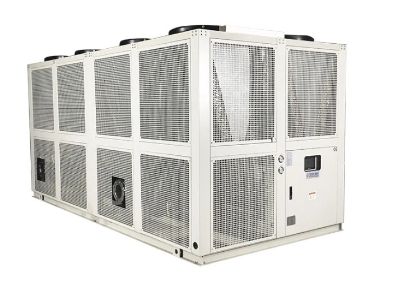
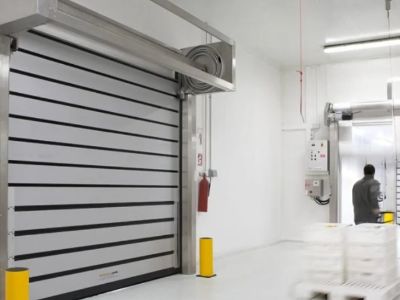
Cold storage containers for sale are essential solutions for businesses looking to maintain product integrity in temperature-sensitive environments. These containers are particularly important for industries such as food, pharmaceuticals, and logistics, where proper storage conditions are critical. Understanding the specifications, applications, and supplier options for cold storage containers helps purchasing managers, engineers, and product managers make informed decisions that ensure product quality and safety. For instance, utilizing Cold Room technology can significantly enhance storage capabilities.

How to Compare Cold Storage Containers for Your Business Needs

Finding a trustworthy supplier for cold storage containers can significantly impact the success of your operations. Here are some tips for sourcing reliable suppliers:

Industry Associations: Look for suppliers affiliated with reputable industry associations, as these organizations often require members to adhere to high standards of quality and service.

Trade Shows and Expos: Attending industry-specific trade shows allows buyers to engage directly with manufacturers, assess product offerings, and establish relationships. This face-to-face interaction often provides deeper insights into the supplier's capabilities and reliability.

Online Directories: Utilize online platforms that specialize in connecting buyers with manufacturers. Websites like ThomasNet or industry-specific directories can help you find suppliers based on your geographic location and product specifications.

References and Reviews: Seek references from other businesses that have used the supplier's services. Online reviews can also offer insights into supplier reliability and customer service.

Customization Capabilities: Choose suppliers that demonstrate a willingness to customize solutions based on your specific needs. This flexibility can be crucial for businesses with unique operational requirements.

By thoroughly vetting potential suppliers, businesses can ensure they partner with those who uphold quality standards and provide reliable service.
Cost Factors in Purchasing Cold Storage Containers in Bulk

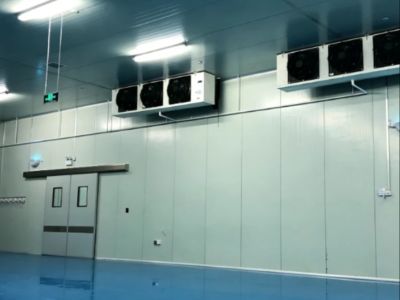
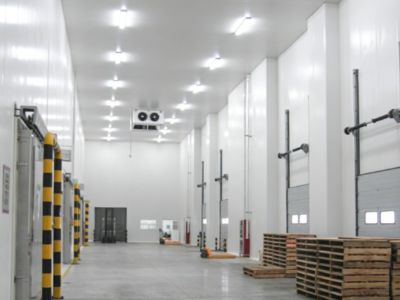
Proper installation is crucial for maximizing the performance of cold storage container systems. Here are key considerations to ensure a successful installation:

Site Preparation: Before installation, ensure that the site is prepared according to the manufacturer's specifications. This includes assessing the ground for levelness, stability, and accessibility for delivery trucks.

Electrical and Plumbing Requirements: Depending on the system's complexity, check for any necessary electrical or plumbing connections. It may be prudent to engage licensed professionals to ensure compliance with local regulations.

Temperature Management Systems: If your system includes advanced temperature management features, follow the manufacturer's guidelines for setup. Proper calibration of these systems is essential to ensure they function as intended.

Insulation Checks: After installation, inspect insulation seals to confirm they are intact and effective. Gaps or poor seals can lead to temperature fluctuations and increased energy consumption.

Testing the System: Before full operation, conduct thorough testing of the refrigeration and monitoring systems to identify any issues. This step helps ensure that all components are functioning correctly and that the container maintains the desired temperature.

Proper installation not only enhances the longevity of your cold storage system but also ensures compliance with health and safety standards.

Installation Guidance for Efficient Cold Storage Container Use

Cold storage systems can face several challenges that may impact their performance. Here are common problems and their solutions:

Temperature Fluctuations: Inadequate insulation or malfunctioning equipment can lead to temperature instability. Regular maintenance checks and timely repairs can help identify and resolve these issues quickly. Installing backup systems or alarms can also minimize risks.

Condensation and Moisture Control: Excess moisture can lead to product spoilage. Ensure that the container is equipped with proper drainage systems and humidity control features. Regularly monitoring humidity levels can help maintain the desired environment.

Energy Inefficiency: High operational costs can arise from energy-inefficient systems. Upgrading to newer, more efficient models or retrofitting existing systems with energy-saving components can lead to significant savings.

Mechanical Failures: Regular maintenance is key to preventing mechanical failures. Establish a routine inspection schedule to check refrigeration units, seals, and insulation integrity. Training staff on proper usage and reporting issues can also reduce downtime.

Compliance Issues: Ensure that your cold storage practices comply with relevant regulations, especially in the food and pharmaceutical industries. Regular audits and staff training on compliance can mitigate risks.

By proactively addressing these potential problems, businesses can maintain optimal operational conditions and protect their investments.

Common Problems with Cold Storage Containers and Their Solutions

Cold storage containers serve various industries, each with unique requirements. Here are some of the primary applications:

Food Industry: Cold storage is vital for preserving perishable goods, including meats, dairy, fruits, and vegetables. Temperature control prevents spoilage and extends shelf life, ensuring that products remain safe for consumption.

Pharmaceuticals: Many pharmaceuticals require strict temperature controls to maintain efficacy. Cold storage solutions are essential for vaccines, biologics, and other temperature-sensitive medications, ensuring compliance with health regulations.

Logistics and Distribution: For logistics companies, cold storage containers facilitate the efficient transport of temperature-sensitive goods. These systems ensure that products maintain their required conditions throughout the supply chain, from warehouse to delivery.

Research and Development: In R&D sectors, cold storage containers are used to preserve samples and experimental materials that require specific temperature conditions. This is crucial for the integrity of research findings.

Floral Industry: Cold storage is also essential for the floral industry, where maintaining optimal temperatures is necessary for preserving the freshness of cut flowers and plants.

Understanding the diverse applications of cold storage containers helps potential buyers identify the right solution for their specific operational needs, ensuring product integrity and compliance with industry standards.

What to Consider When Choosing Cold Storage Containers for Sale

When evaluating cold storage containers, several key specifications warrant consideration:

Temperature Range: Different applications require specific temperature controls. For food storage, temperatures typically range from -18°C to 4°C, while pharmaceuticals may need even stricter controls. Confirm that the container can maintain the necessary range consistently.

Insulation Material: The choice of insulation material affects energy efficiency and temperature stability. Common materials include polyurethane and polystyrene, each offering varying degrees of thermal resistance. Buyers should assess the material's R-value to ensure it meets their operational needs.

Dimensions and Capacity: Cold storage containers come in various sizes. It's important to choose dimensions that fit your operational space while providing adequate capacity for your inventory. Consider the layout of your facility to ensure a proper fit.

Construction Quality: The durability of the container is critical, especially in high-traffic environments. Look for robust construction materials that can withstand heavy use and protect contents from external temperature fluctuations. Features found in a REFRIGERATION UNITS can enhance the overall effectiveness of these containers.

Energy Efficiency: Energy-efficient models can lead to significant cost savings over time. Check for energy ratings and evaluate the design features that contribute to energy conservation, such as LED lighting and advanced refrigeration technology.

Automation Features: Automated systems can enhance operational efficiency. Features such as temperature monitoring, remote controls, and alarms for temperature deviations help in maintaining optimal storage conditions.

Understanding these specifications ensures that buyers select containers that meet their unique requirements while optimizing performance and cost.

Frequently Asked Questions

What types of cold storage containers do you sell?

We offer modular walk-in cold rooms, freezers, and insulated containers customizable for temperature ranges from blast freeze to chilled storage, designed for food, pharmaceutical, and logistics applications.
Yes. We provide custom-engineered sizes, shelving, doors, and internal layouts to match storage capacity, workflow and equipment needs.
Yes. Units come with programmable temperature controllers, remote monitoring options, and automated defrost and alarm systems for reliable operation.
We use high-performance insulation, efficient compressors, variable-speed drives and optimized airflow to reduce power use while maintaining stable temperatures.
We provide global project management, on-site installation guidance, commissioning, spare parts and remote technical support to ensure long-term performance.

Our Blog Posts

how to set cold room temperature

03

Nov

how to set cold room temperature

Setting the right cold room temperature is crucial for industries that rely on precise temperature control to maintain the quality and safety of their products. Whether you are in the food, pharmaceutical, or logistics sector, understanding how to se...
View More
what is a chiller used for

03

Nov

what is a chiller used for

Industrial chillers are critical components in various sectors, providing precise temperature control for a range of applications. Understanding what a energy-efficient chillers is used for can greatly influence purchasing decisions for business...
View More
what is the standard temperature of chiller

03

Nov

what is the standard temperature of chiller

Understanding the standard temperature of chillers is crucial for multiple industries, including food, pharmaceuticals, and logistics. This article dives into the specifics of what is the standard temperature of a energy-efficient chillers, addressin...
View More
what are the methods of food preservation

03

Nov

what are the methods of food preservation

Food preservation is a critical process for maintaining the quality and safety of perishable items, especially in the food industry. Understanding what are the methods of food preservation can help businesses minimize waste, ensure product integrity,...
View More

Leave a Message

Email
Name
Company Name
Message
0/1000

Related product categories