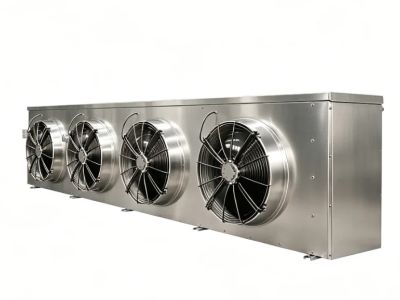
Key Specifications of Evapolar Air Coolers

Let's Discuss Your Needs

Every great collaboration starts with a friendly chat.
We're here to help you figure things out and find the best way forward.
Company Name
Name
Email
WhatsApp
Mobile

evapolar air cooler

Evapolar air coolers are innovative, energy-efficient cooling solutions designed for both commercial and industrial applications. As a B2B buyer, your main concerns likely include product specifications, suitability for your specific environment, cost factors, and installation guidelines. This article will address these key considerations, helping you understand the benefits and practical applications of evapolar air coolers, as well as offering insights into bulk purchasing for your organization.
Our Products

What to Consider

What to Consider

Before committing to a bulk purchase of evapolar air coolers, it’s essential to assess several factors. Application suitability is paramount: identify whether the units will be used in a humid environment, as this can impact their cooling effectiveness.

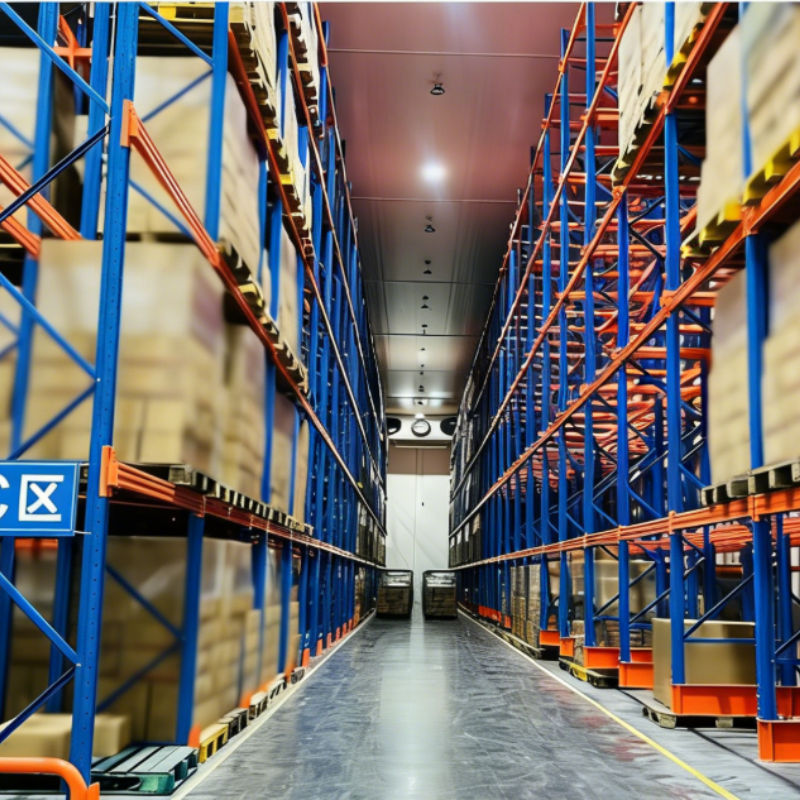
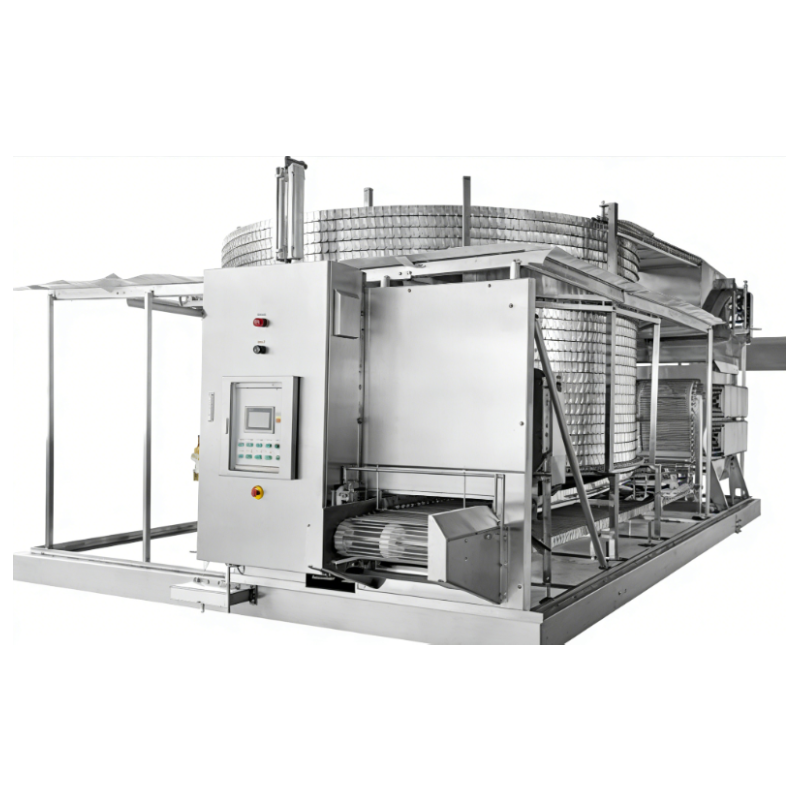
Another consideration is the specific cooling requirements of your facility. For example, if the cooler is to be used in a food processing area, it must comply with health regulations and be capable of maintaining specific temperatures without compromising food safety. If you're in such a situation, using IQF FREEZERS might also be beneficial.

Customization options are also worth exploring. Depending on your operational needs, you might require specific configurations such as additional filtration systems or integration capabilities with existing HVAC systems.

It's advisable to discuss these requirements with your supplier, as they can provide insights into the right specifications that align with your unique needs.
Cost Factors to Consider When Buying Evapolar Air Coolers in Bulk

Cost Factors to Consider When Buying Evapolar Air Coolers in Bulk

Cost is a crucial factor in any bulk purchase. Start by evaluating the unit price, which can vary based on specifications, brand, and supplier. Additionally, consider the total cost of ownership, which includes not only the initial purchase price but also installation, maintenance, and energy consumption costs over the cooler's lifespan.

Keep in mind that bulk purchases often allow for discounts, so negotiating with suppliers can result in significant savings. Be sure to inquire about minimum order quantities (MOQ) as well, as this can affect pricing and availability.

Another cost factor to consider is shipping and logistics. Depending on your location and the supplier's shipping policies, these costs can add up. Ensure you have clarity on delivery times and any applicable tariffs or fees associated with importing the units.

Finally, it’s also wise to factor in warranty and service agreements. A robust warranty can provide peace of mind and reduce long-term costs associated with repairs or replacements.

Installation Guidelines for Evapolar Air Coolers in Various Applications

Installation Guidelines for Evapolar Air Coolers in Various Applications

Proper installation of evapolar air coolers is critical for optimal performance. Begin by ensuring the installation site is suitable; the cooler should be placed in a shaded area to enhance its efficiency.

For industrial applications, such as warehouses or production facilities, ensure there is adequate airflow around the unit. Blocked airflow can significantly reduce cooling performance. It’s also essential to ensure proper drainage for the water used in the evaporation process, preventing potential water damage or leakage.

If the cooler integrates with existing systems, coordination with your HVAC technicians may be necessary to ensure compatibility. Always refer to the manufacturer’s installation guidelines, as they provide valuable instructions tailored to specific models.

Finally, consider training your staff on the operational requirements and maintenance tasks necessary to prolong the life of the cooler, such as regular cleaning of the evaporative media and checking water levels.

Advantages of Evapolar Air Coolers in Industrial Settings and Projects

Evapolar air coolers offer several advantages that make them ideal for industrial settings. One of the most significant benefits is energy efficiency; these units consume less energy compared to traditional air conditioning systems, leading to reduced utility costs.

Additionally, evapolar air coolers are often more environmentally friendly. They use water for cooling, which minimizes the reliance on refrigerants that can contribute to greenhouse gas emissions. This aspect aligns with many companies' sustainability goals, making them an attractive choice for eco-conscious businesses.

The portability of these coolers is another advantage; they can be easily moved to different areas as required, allowing for flexible cooling solutions in various applications. This mobility is particularly useful in environments where cooling needs may change frequently.

Moreover, their straightforward operation and low maintenance requirements reduce the burden on facilities management teams. Regular maintenance tasks, such as cleaning the water tank and replacing the evaporative pad, can be easily managed without specialized training.

In summary, evapolar air coolers are not only capable of providing effective cooling solutions but also offer energy efficiency, portability, and reduced environmental impact, making them a solid choice for industrial applications.

Key Specifications of Evapolar Air Coolers for Bulk Purchases

When evaluating evapolar air coolers for bulk purchases, several specifications are crucial. First, consider the cooling capacity, typically measured in BTUs (British Thermal Units), which indicates how effectively the unit can cool a specific space. The size of the cooler should match the area it is intended to cool; therefore, accurate measurement of the intended space is critical.

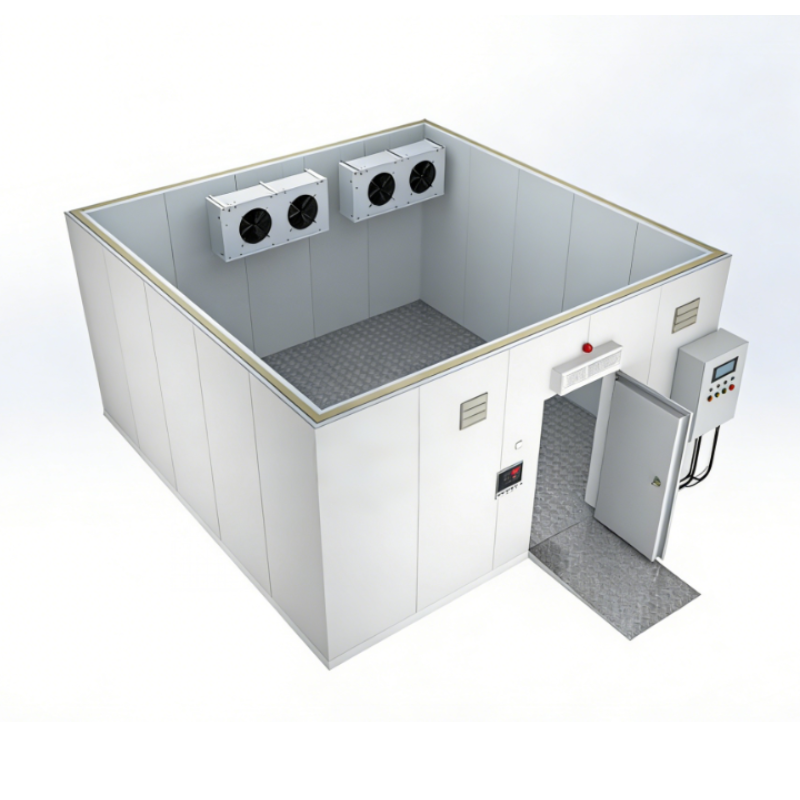
Materials used in construction also play a significant role in efficiency and durability. Most evapolar air coolers use high-density foam insulation and a durable plastic casing, which helps maintain temperature while resisting wear and tear. For enhanced efficiency, you may also want to consider integrating them with Cold Room solutions.

Additionally, check the energy efficiency rating (EER) of the cooler. A higher EER indicates better energy-saving capabilities, which is essential for reducing operational costs. Make sure to evaluate the evaporative media used in the cooler—this affects its ability to cool air effectively.

Lastly, consider any compliance with industry-specific regulations, such as energy standards or environmental regulations, which can vary by region.

Frequently Asked Questions

What is the evapolar air cooler used for?

The evapolar air cooler provides energy-efficient local cooling for small spaces, protecting perishable goods and improving worker comfort in storage, preparation, and logistics areas.
Yes. It complements cold storage by delivering targeted evaporative cooling and humidity control in loading bays, offices, or inventory zones adjacent to refrigerated areas.
The unit requires standard electrical supply and simple mounting or tabletop placement. Specific voltage and mounting details are provided with each order or custom system integration.
Yes. We offer custom engineering and automation to integrate the evapolar with larger cold storage, freezers, and facility control systems.
Routine cleaning of pads and water reservoir is recommended. We provide technical support and warranty details with purchase; extended service plans are available for commercial deployments.

Our Blog Posts

what is a chiller used for

03

Nov

what is a chiller used for

Industrial chillers are critical components in various sectors, providing precise temperature control for a range of applications. Understanding what a energy-efficient chillers is used for can greatly influence purchasing decisions for business...
View More
what is the standard temperature of chiller

03

Nov

what is the standard temperature of chiller

Understanding the standard temperature of chillers is crucial for multiple industries, including food, pharmaceuticals, and logistics. This article dives into the specifics of what is the standard temperature of a energy-efficient chillers, addressin...
View More
what does evaporator coil do

03

Nov

what does evaporator coil do

Understanding what an evaporator coil does is essential for anyone involved in the purchasing or maintenance of refrigeration systems. These coils play a crucial role in cooling processes by absorbing heat from the environment, making them indispensa...
View More
what are the methods of food preservation

03

Nov

what are the methods of food preservation

Food preservation is a critical process for maintaining the quality and safety of perishable items, especially in the food industry. Understanding what are the methods of food preservation can help businesses minimize waste, ensure product integrity,...
View More

Leave a Message

Email
Name
Company Name
Message
0/1000

Related product categories