Cold Store Doors: Quality Evaluation & Supplier Guide

Let's Discuss Your Needs

Every great collaboration starts with a friendly chat.
We're here to help you figure things out and find the best way forward.
Company Name
Name
Email
WhatsApp
Mobile

cold store door

Cold store doors are essential components of refrigeration systems, particularly in sectors like food, pharmaceuticals, and logistics. They play a crucial role in maintaining the controlled environment necessary for preserving perishable goods. As a purchasing manager or supplier, understanding the quality, material, and application of cold store doors is paramount to ensuring effective temperature management and energy efficiency. This article will guide you through evaluating cold store doors for wholesale purchase, finding reliable suppliers, installation guidance, material advantages, and their applications across various industries.

Where to Find Reliable Suppliers of Cold Store Doors for Bulk Orders

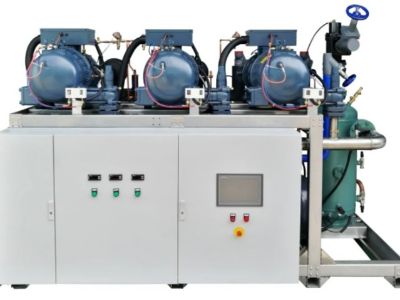
Finding dependable suppliers involves a few strategic steps. Start by searching for manufacturers with a strong reputation in the refrigeration industry. Look for companies that have a track record in producing cold store solutions, such as Shanghai Zhaoxue Refrigeration Co., Ltd., known for its energy-efficient cold storage systems.

Next, utilize industry-specific directories and trade shows. These platforms can connect you with reputable suppliers and allow you to view products firsthand. Additionally, consider reaching out to trade associations in the refrigeration sector, as they often have listings of verified manufacturers and suppliers.

When assessing potential suppliers, request references and past project examples to gauge their reliability and expertise. Ensure they have the necessary certifications for quality and safety, and inquire about their manufacturing capabilities, including customization options and lead times for bulk orders.

Installation Guidance for Efficient Cold Store Door Setup and Use

Proper installation of cold store doors is critical for optimal performance. Begin by ensuring that the installation site is prepared according to the manufacturer's specifications, including a level surface and appropriate clearances for operation. Pay close attention to the alignment of the door to ensure a proper seal when closed.

During installation, it’s advisable to use a qualified technician familiar with cold storage systems. They will ensure that the sealing mechanisms are correctly positioned and that any sensors or automation features are properly integrated. After installation, conduct a thorough inspection to confirm that the doors open and close smoothly and that the seals are intact.

Regular maintenance checks post-installation are essential. Inspect seals for wear and tear, and ensure the door tracks and hinges are lubricated to prevent operational issues. This proactive approach can help minimize downtime and extend the lifespan of the cold store doors.

Material Advantages of Cold Store Doors for Optimal Performance

The material used in cold store doors significantly impacts their performance and efficiency. Polyurethane and polystyrene are common choices for insulation due to their high R-values, providing excellent thermal resistance. This is crucial in maintaining consistent internal temperatures while reducing energy consumption.

In addition to insulation, the exterior material plays a role in durability. Stainless steel or galvanized steel finishes are popular due to their resistance to corrosion, making them ideal for environments prone to moisture. Some manufacturers also offer coatings that enhance resistance to scratches and impacts, further extending the lifespan of the door.

Moreover, consider the weight and maneuverability of the door. Lighter materials can ease operation, especially for frequently opened doors, while still maintaining structural integrity. Always ensure that the chosen materials align with the specific requirements of your application, whether that be food safety standards or pharmaceutical regulations.

Applications of Cold Store Doors in Food, Pharma, and Logistics Industries

Cold store doors serve a pivotal role across various industries, each having unique requirements. In the food industry, these doors are essential for maintaining the quality of perishable goods. They help ensure that products like meat, dairy, and produce remain within required temperature ranges, thereby extending shelf life and compliance with health regulations.

In the pharmaceutical sector, cold storage is critical for preserving vaccines and medications that require strict temperature control. Cold store doors in this industry often need to meet higher regulatory standards, ensuring that temperature fluctuations are minimized.

For the logistics sector, cold store doors facilitate efficient distribution channels. They must be designed for rapid access while maintaining temperature integrity during loading and unloading processes. Automated systems can enhance efficiency in these environments, allowing for seamless operations. Additionally, systems like the Tunnel Freezer can complement the operations by ensuring rapid freezing and storage.

understanding the various aspects of cold store doors—from evaluating quality to recognizing their applications—empowers B2B buyers to make informed purchasing decisions. Investing time in this knowledge not only streamlines the buying process but also ensures that the cold storage solutions implemented will meet operational needs effectively.

How to Evaluate the Quality of Cold Store Doors for Wholesale Purchase

When assessing cold store doors, several key factors should be considered to ensure quality and performance. Firstly, material composition is critical. High-performance cold store doors are typically made from insulated panels, often consisting of polyurethane or polystyrene, which provide excellent thermal insulation. Buyers should confirm the insulation values (U-value) to ensure they meet energy efficiency standards. A lower U-value indicates better insulation performance, which can lead to significant energy savings over time.

Secondly, sealing mechanisms are vital for maintaining temperature control. Look for doors that feature robust seals, such as magnetic or double-seal designs, to prevent cold air leakage. This will not only enhance energy efficiency but also prolong the lifespan of the refrigeration system. For instance, products like Controlled Atmosphere Storage can benefit from effective sealing.

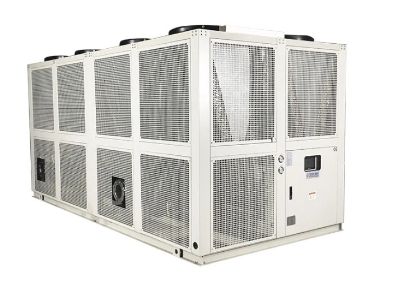
Finally, durability and maintenance requirements should be evaluated. Cold store doors are subject to rigorous use and must withstand frequent opening and closing, exposure to moisture, and potential impacts from carts or pallets. Therefore, inquire about the door's finish and whether it offers resistance to corrosion and abrasion, as this affects long-term performance. Some options, such as Box-type air-cooled units, also require durable doors to maintain efficiency.

Frequently Asked Questions

What types of cold store doors do you offer?

We supply insulated swing, sliding, and rapid-roll cold store doors designed for freezer and chilled rooms. Options include manual, automatic, and hygienic finishes to suit food, pharma, and logistics needs.
Yes. We custom-engineer door size, insulation thickness, sealing, hardware, and automation to integrate with your cold storage layout and workflow.
Doors use high-performance insulation, tight seals, and thermal breaks to minimize heat gain and reduce compressor runtime, improving overall cold room energy efficiency.
Yes. We offer motorized operation, sensors, remote control, speed control, and integration with building management or cold chain monitoring systems.
We provide installation, preventive maintenance plans, spare parts, and responsive technical support to ensure reliable seals, hardware function, and temperature integrity.

Our Blog Posts

what is the standard temperature of chiller

03

Nov

what is the standard temperature of chiller

Understanding the standard temperature of chillers is crucial for multiple industries, including food, pharmaceuticals, and logistics. This article dives into the specifics of what is the standard temperature of a energy-efficient chillers, addressin...
View More
how to set temperature in chiller

03

Nov

how to set temperature in chiller

Setting the correct temperature in a chiller is crucial for maintaining the quality and safety of sensitive products, especially in industries like food, pharmaceuticals, and logistics. This article will address key considerations for B2B buyers, inc...
View More
how to clean condensing unit

03

Nov

how to clean condensing unit

Cleaning a condensing unit is essential for maintaining the efficiency and longevity of refrigeration systems, particularly in industries like food processing, pharmaceuticals, and logistics. Proper cleaning helps prevent malfunctions, reduces energy...
View More
what are the advantages of food preservation

03

Nov

what are the advantages of food preservation

Food preservation is a critical process that extends the shelf life of perishable goods such as fruits, vegetables, meats, and dairy products. Understanding the advantages of food preservation can greatly benefit businesses in the food industry, incl...
View More

Leave a Message

Email
Name
Company Name
Message
0/1000

Related product categories