Choosing the Right Condensing System for Your Project

Let's Discuss Your Needs

Every great collaboration starts with a friendly chat.
We're here to help you figure things out and find the best way forward.
Company Name
Name
Email
WhatsApp
Mobile

condensing system

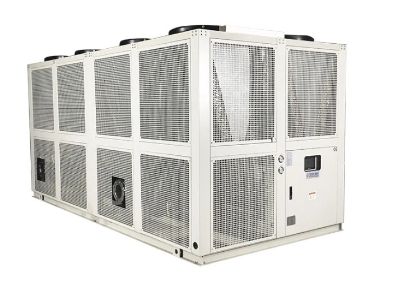
Choosing the right condensing system is vital for industries that rely on efficient temperature control, particularly in food storage, pharmaceuticals, and logistics. A condensing system is essential for maintaining optimal conditions to preserve products and ensure safety. Buyers often seek energy efficiency, reliability, and cost-effectiveness in their systems. This article will guide you through the critical aspects of selecting a condensing system, including specifications, manufacturer assessment, sourcing options, and applications across key industries.

Key Specifications to Compare for Condensing Systems in Wholesale

When comparing condensing systems, focus on the following specifications:

Refrigerant Type: Different refrigerants have varying environmental impacts and efficiency levels. Common options include R-404A and R-410A, each suitable for specific applications.

Cooling Capacity: Measured in BTUs or kW, this indicates the system's ability to remove heat. Ensure that the capacity matches your operational needs.

Noise Level: Measured in decibels (dB), this can affect workplace comfort. Systems designed for quieter operation are preferable in environments requiring minimal noise disruption.

Material Construction: The materials used in the construction, such as stainless steel or corrosion-resistant coatings, impact durability and maintenance needs.

Control Systems: Advanced control options, including automated or remote monitoring capabilities, can enhance operational efficiency and ease of use.
Finding Trustworthy Manufacturers of Condensing Systems

Identifying reliable manufacturers is crucial. Here are some steps to evaluate potential suppliers:

Industry Experience: Look for manufacturers with a proven track record in producing condensing systems for your specific industry, such as food storage or pharmaceuticals.

Certifications: Verify that manufacturers hold relevant certifications, ensuring they meet quality and safety standards. Common certifications include ISO 9001 for quality management systems.

Customer Reviews and Case Studies: Assess feedback from previous customers and review case studies that demonstrate the manufacturer’s capability to deliver effective solutions.

Technical Support and After-Sales Service: A reliable manufacturer should offer excellent technical support and after-sales services, providing assistance for installation and maintenance.

Customization Capabilities: Ensure the manufacturer can design systems tailored to your specific needs, including unique sizes and functionalities.

Where to Source Energy-Efficient Condensing Systems for Your Business

Sourcing energy-efficient condensing systems involves several avenues:

Direct Manufacturers: Engaging directly with manufacturers like Shanghai Zhaoxue Refrigeration Co., Ltd. can provide access to custom-engineered systems and competitive pricing, including options for refrigeration units that fit specific needs.

Distributors and Wholesalers: Established distributors often stock a variety of condensing systems from multiple manufacturers, which may facilitate comparison shopping.

Trade Shows and Industry Expos: Attending industry events can provide firsthand exposure to different products and innovations, plus opportunities to meet manufacturers face-to-face.

Online Marketplaces: Many manufacturers and distributors list their products on online platforms, offering broad accessibility and pricing transparency.

Industry Associations: Networking through industry groups can lead to recommendations for reputable suppliers and manufacturers.

Applications of Condensing Systems in Food, Pharma, and Logistics Industries

Condensing systems play a critical role across several industries:

Food Industry: In food storage, these systems maintain optimal temperatures to prevent spoilage and ensure food safety. Custom configurations may be necessary for different types of foods, such as frozen goods versus fresh produce, which often utilize IQF freezers for optimal preservation.

Pharmaceuticals: Strict temperature control is vital in pharmaceuticals to preserve the efficacy of drugs. Condensing systems must comply with industry standards and often include advanced monitoring features.

Logistics: In logistics, especially during transport, condensing systems help maintain the integrity of temperature-sensitive goods. Systems designed for mobile applications can be critical for ensuring consistent conditions throughout the supply chain.

Understanding these applications can guide buyers in selecting the right condensing system that meets the specific requirements of their operational environment.

By considering these factors, B2B buyers can make informed decisions when selecting condensing systems, ensuring efficiency, compliance, and reliability in their operations.

What to Consider When Choosing a Condensing System for Your Projec

When selecting a condensing system, consider the specific requirements of your application. Key factors include:

Capacity and Efficiency: The cooling capacity must align with the size of the cold storage area and the expected load. Energy efficiency ratings, such as EER (Energy Efficiency Ratio) or COP (Coefficient of Performance), help evaluate operational cost-effectiveness.

Operating Environment: Assess whether the system will operate in a high humidity or variable temperature environment. Different designs may be required for outdoor versus indoor installations.

Customization Needs: Custom-engineered solutions may be necessary to meet unique operational requirements. This includes system size, control features, and integration with existing infrastructure.

Compliance and Standards: Ensure the condensing system complies with local regulations and industry standards, especially in food and pharmaceutical applications where safety is paramount.

Maintenance Requirements: Look for systems designed for easy access to components for maintenance. A well-structured maintenance plan can reduce downtime and prolong the system’s lifespan.

Frequently Asked Questions

What is the condensing system used for?

Our condensing system removes heat from refrigeration cycles to provide efficient cooling for cold rooms, freezers, and ice machines in food, pharma, and logistics facilities.
Yes. We design custom-engineered condensing systems tailored to capacity, space, control integration and energy efficiency requirements.
Systems use high-efficiency compressors, optimized heat exchangers and variable controls to reduce power consumption and operating costs.
We provide installation support, preventive maintenance plans and remote diagnostics to ensure reliable operation and minimal downtime.
Yes. Our systems integrate with building and cold chain automation for monitoring, alarms and optimized performance across facilities.

Our Blog Posts

what is a chiller used for

03

Nov

what is a chiller used for

Industrial chillers are critical components in various sectors, providing precise temperature control for a range of applications. Understanding what a energy-efficient chillers is used for can greatly influence purchasing decisions for business...
View More
what is the standard temperature of chiller

03

Nov

what is the standard temperature of chiller

Understanding the standard temperature of chillers is crucial for multiple industries, including food, pharmaceuticals, and logistics. This article dives into the specifics of what is the standard temperature of a energy-efficient chillers, addressin...
View More
controlled atmosphere storage of fruits and vegetables

03

Nov

controlled atmosphere storage of fruits and vegetables

Controlled atmosphere storage of fruits and vegetables is a critical component in preserving the quality and extending the shelf life of produce. These specialized storage solutions regulate temperature, humidity, and gas composition to slow down rip...
View More
what are the methods of food preservation

03

Nov

what are the methods of food preservation

Food preservation is a critical process for maintaining the quality and safety of perishable items, especially in the food industry. Understanding what are the methods of food preservation can help businesses minimize waste, ensure product integrity,...
View More

Leave a Message

Email
Name
Company Name
Message
0/1000

Related product categories