Essential Guide to Cold Storage Panels for Buyers

Let's Discuss Your Needs

Every great collaboration starts with a friendly chat.
We're here to help you figure things out and find the best way forward.
Company Name
Name
Email
WhatsApp
Mobile

cold storage panels

Cold storage panels are critical components used in refrigeration systems for preserving temperature-sensitive products like food and pharmaceuticals. For B2B buyers, the selection of cold storage panels involves careful consideration of specifications, cost factors, and installation challenges. This article will address essential aspects of cold storage panels, helping purchasing managers, engineers, and distributors make informed decisions.

Cost Factors Involved in Purchasing Cold Storage Panels Wholesale

Cost considerations are multifaceted when purchasing cold storage panels wholesale. Here are key factors to keep in mind:

Material Costs: The choice of materials significantly affects the price. High-quality insulation materials like polyurethane generally cost more but can lead to long-term savings through reduced energy consumption.

Customization: Custom-engineered panels tailored to specific dimensions or applications often incur additional costs. Buyers should weigh the benefits of customization against budget constraints.

Bulk Pricing: Purchasing in bulk can lead to significant discounts. Buyers should evaluate their needs and consider ordering larger quantities to take advantage of wholesale pricing. For instance, investing in Containerized Cold Rooms could also offer savings on logistics.

Shipping and Handling: Transportation costs can vary based on distance and the size of the shipment. It is essential to factor in these costs when calculating the total purchase price.

Installation Costs: While some suppliers may offer installation services, this will add to the overall expense. Buyers should consider whether they have the in-house capabilities to install the panels or if external assistance is necessary.

By understanding these cost factors, buyers can make more informed decisions that align with their budget while ensuring they receive quality products.
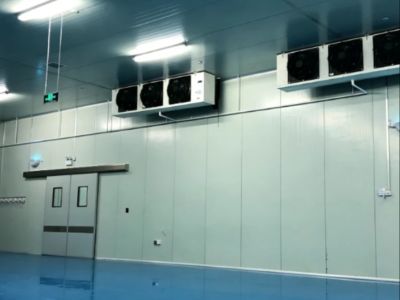

Common Installation Challenges with Cold Storage Panels and Solutions

Installing cold storage panels can present various challenges. Here are some common issues and solutions:

Alignment Issues: Panels must be aligned correctly to ensure effective sealing and insulation. Misalignment can lead to gaps, causing temperature fluctuations. To mitigate this, buyers should ensure that the installation team is experienced and follows manufacturer guidelines closely.

Weight Distribution: If panels are not supported adequately during installation, they may sag or warp over time. Buyers should discuss load-bearing requirements with manufacturers to ensure the structural integrity of the installation.

Sealing Complications: Proper sealing is crucial for maintaining temperature control. Buyers should select panels with pre-installed seals or work with experienced installers who understand the importance of airtight seals.

Environmental Conditions: Installation in extreme temperatures can affect the panels' performance and the effectiveness of adhesives. It is essential to follow the manufacturer’s recommendations regarding installation conditions.

By anticipating these challenges and planning accordingly, buyers can facilitate smoother installations and maximize the performance of their cold storage systems.

Comparing Material Advantages of Different Cold Storage Panels

Different materials used for cold storage panels offer various advantages depending on the application. Here’s a comparison of common materials:

Polyurethane: Known for its superior insulation properties, polyurethane panels provide a high R-value, which enhances energy efficiency. They are ideal for environments requiring strict temperature control, such as food storage and pharmaceuticals.

Polystyrene: This material is lightweight and cost-effective, making it a popular choice for many cold storage applications. While it offers decent insulation, it may not perform as well as polyurethane in extreme conditions.

EPS (Expanded Polystyrene): EPS panels are known for their moisture resistance and lightweight properties. They are suitable for cold storage applications where humidity control is necessary. However, their insulation performance may not match that of polyurethane.

Metal-faced Panels: These panels combine a metal exterior with insulation material, offering durability and enhanced aesthetic appeal. They are commonly used in commercial settings and can withstand environmental wear and tear.

Selecting the right material depends on specific requirements, including insulation needs, budget, and environmental factors. Chiller Rooms can also play a significant role in maintaining optimal conditions for these materials.

What Buyers Should Know About Cold Storage Panels Quality Standards

Quality standards are essential for ensuring the performance and longevity of cold storage panels. Here are key standards to consider:

Insulation Performance: Look for panels that meet industry standards for thermal resistance (R-value). Higher R-values indicate better insulation and energy efficiency.

Fire Rating: Depending on local regulations, fire safety standards may apply to cold storage installations. Buyers should ensure that panels comply with relevant fire safety codes.

Material Certifications: Certifications such as ISO 9001 can indicate a manufacturer’s commitment to quality management systems. Buyers should inquire about certifications relevant to the materials used in the panels.

Environmental Impact: Consider panels that meet environmental standards, such as those related to sustainability and recyclability. This is increasingly important for companies looking to minimize their carbon footprint.

Warranty and Support: A robust warranty can provide peace of mind. Buyers should evaluate the warranty terms and the manufacturer's customer support to ensure they have assistance if issues arise.

By understanding these quality standards, buyers can better assess potential suppliers and ensure they are investing in reliable cold storage solutions.

Key Specifications to Consider When Sourcing Cold Storage Panels

When sourcing cold storage panels, the following specifications are crucial:

Thickness: The panel thickness affects insulation performance and the overall energy efficiency of the cold storage unit. Thicker panels typically provide better thermal insulation, which is essential for maintaining consistent temperatures in cold storage environments.

Material Type: Common materials used in cold storage panels include polyurethane, polystyrene, and EPS (expanded polystyrene). Each material offers different insulation properties and durability levels. For instance, polyurethane panels are known for their high insulation value, making them ideal for energy-efficient cold storage solutions.

Dimensions: Standard dimensions may vary, and custom sizes are often necessary depending on the specific installation requirements. Buyers should confirm the dimensions that will best fit their space to avoid installation issues. Additionally, Self-stacking Spiral Freezers can be a great solution for maximizing space efficiency in cold storage.

Sealing and Edge Design: Proper sealing is vital to prevent air leakage, which can lead to energy loss. Buyers should consider panels with robust sealing systems, such as tongue-and-groove edges, to enhance the thermal efficiency of the cold storage unit.

Load Capacity: Depending on the intended use, cold storage panels must be able to support the weight of stored goods and any additional equipment. Buyers should assess the load requirements based on their specific application.

Understanding these specifications will enable buyers to select panels that meet their operational needs while optimizing energy efficiency.

Frequently Asked Questions

What are cold storage panels made of?

Our panels use high-density polyurethane core with corrosion-resistant metal facings, providing strong insulation and long service life for cold rooms, freezers, and industrial applications.
Panels are available in multiple thicknesses delivering high R-values suitable for temperatures from -40°C to +10°C, configurable per application and regulatory needs.
Yes. We offer custom-engineered panel sizes and prefabrication to match room layouts, reducing on-site assembly time and ensuring precise thermal performance.
Absolutely. Panels integrate with automated refrigeration controls, doors, and logistics systems for synchronized operation and energy-efficient performance.
We provide manufacturing warranties and global technical support, including installation guidance, maintenance advice, and spare part supply tailored to food, pharma, and logistics clients.

Our Blog Posts

how to set cold room temperature

03

Nov

how to set cold room temperature

Setting the right cold room temperature is crucial for industries that rely on precise temperature control to maintain the quality and safety of their products. Whether you are in the food, pharmaceutical, or logistics sector, understanding how to se...
View More
how to set temperature in chiller

03

Nov

how to set temperature in chiller

Setting the correct temperature in a chiller is crucial for maintaining the quality and safety of sensitive products, especially in industries like food, pharmaceuticals, and logistics. This article will address key considerations for B2B buyers, inc...
View More
how to clean condensing unit

03

Nov

how to clean condensing unit

Cleaning a condensing unit is essential for maintaining the efficiency and longevity of refrigeration systems, particularly in industries like food processing, pharmaceuticals, and logistics. Proper cleaning helps prevent malfunctions, reduces energy...
View More
what are the methods of food preservation

03

Nov

what are the methods of food preservation

Food preservation is a critical process for maintaining the quality and safety of perishable items, especially in the food industry. Understanding what are the methods of food preservation can help businesses minimize waste, ensure product integrity,...
View More

Leave a Message

Email
Name
Company Name
Message
0/1000

Related product categories