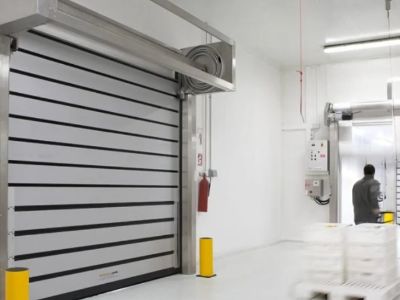
Essential Guide to Cold Room Insulated Doors

Let's Discuss Your Needs

Every great collaboration starts with a friendly chat.
We're here to help you figure things out and find the best way forward.
Company Name
Name
Email
WhatsApp
Mobile

cold room insulated doors

Choosing the right cold room insulated doors is crucial for ensuring energy efficiency and optimal performance in cold storage environments. These doors play a vital role in maintaining temperature control, reducing energy costs, and ensuring the integrity of stored products, particularly in food, pharmaceutical, and logistics applications. This article will guide purchasing managers and project engineers through the essential considerations for selecting insulated doors, sourcing them wholesale, adhering to best practices, resolving common issues, and understanding cost factors involved in their purchase.

Where to Source High-Quality Cold Room Insulated Doors Wholesale

Sourcing high-quality insulated doors requires careful consideration of suppliers to ensure they meet your specific needs.

Manufacturer Reputation: Look for established manufacturers with a proven track record in the cold storage industry. Companies like Shanghai Zhaoxue Refrigeration Co., Ltd. have extensive experience in producing energy-efficient cold storage solutions.

Quality Control Processes: Inquire about the manufacturer’s quality assurance practices. A robust quality control system ensures that products meet specified standards and reduces the likelihood of defects.

Customization Options: Choose suppliers who offer customization to fit your project requirements. Discuss your specific needs regarding size, material, and design features.

Lead Times and Minimum Order Quantities (MOQ): Understand the lead times for production and delivery, as well as any minimum order quantities that may apply. This information is crucial for project planning and budgeting.

Export Capabilities: If you are sourcing from overseas, ensure that the supplier has experience with international shipping and can provide the necessary documentation for customs clearance.
Best Practices

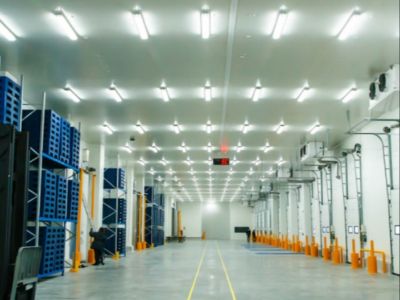
Adhering to best practices when selecting and installing cold room insulated doors can enhance their effectiveness and longevity.

Conduct Thorough Assessments: Before ordering, conduct a detailed assessment of your cold storage environment, including temperature requirements, traffic patterns, and potential load impacts on the doors.

Sample Testing: Always request samples to test the door’s performance in real conditions. This step allows you to evaluate thermal efficiency, sealing effectiveness, and operational ease before mass production.

Regular Maintenance: Implement a maintenance schedule to check for wear and tear on seals, hinges, and operational mechanisms. Regular inspections can prevent costly downtime and improve energy efficiency.

Installation Practices: Proper installation is critical for ensuring door functionality. Engage experienced professionals who understand the specific installation requirements for insulated doors to avoid misalignment and sealing issues.

Common Problems with Cold Room Insulated Doors and Their Solutions

Understanding common issues associated with cold room insulated doors can help in proactive problem-solving.

Air Leaks: One of the most common problems is air leakage around the door seals. Regularly inspect gaskets for wear and replace them as needed to maintain optimal performance.

Condensation Issues: Condensation can occur if the door is not appropriately insulated or sealed. Ensure that the insulation meets the necessary R-value for your application and consider using dehumidifiers in high-humidity environments.

Operational Failures: Automatic doors may experience failures due to electrical issues or mechanical wear. Regularly maintaining sensors and motors can minimize operational disruptions.

Surface Damage: The exterior of insulated doors can suffer from scratches or dents, compromising their insulation properties. Invest in protective coatings or treatments to prolong the life of the doors.

Cost Factors to Consider When Purchasing Cold Room Insulated Doors

The cost of cold room insulated doors can vary based on several factors, which should be considered during the purchasing process.

Material Costs: Different materials come with varying price points. Evaluate the cost-effectiveness of each option relative to its insulation performance and longevity.

Customization: Custom-engineered doors may incur higher upfront costs but can lead to long-term savings through energy efficiency and reduced operational issues.

Shipping and Handling: Factor in the logistics costs associated with shipping, especially if importing doors. Understand the terms of delivery and any additional costs that may arise.

Installation Expenses: Include installation costs in your budget. Hiring skilled professionals may result in higher initial investment but can ensure long-term functionality.

Maintenance Budget: Set aside funds for regular maintenance and potential repairs to ensure doors operate efficiently throughout their lifecycle.

By carefully considering these factors and adhering to best practices, you can make informed decisions when selecting cold room insulated doors that meet your operational needs and budget constraints.

What to Consider When Choosing Cold Room Insulated Doors for Your Project

When selecting cold room insulated doors, several specifications and factors should be taken into account to ensure they meet your operational requirements.

Material: The choice of material significantly impacts insulation performance. Common materials include polyurethane, polystyrene, and fiberglass. Polyurethane is known for its superior thermal insulation properties, while polystyrene offers a cost-effective alternative. Understanding the thermal conductivity of these materials can help in assessing their suitability for specific temperature ranges.

Thickness: The thickness of the door panel affects its insulation value. Thicker panels generally provide better insulation but can also increase the weight and cost. Evaluate the required insulation R-value based on your cold storage temperature and energy efficiency goals.

Sealing and Gaskets: Proper sealing is vital to prevent air leaks that can compromise temperature control. Inspect the type and quality of gaskets used in the door design. Continuous seals or dual sealing systems often provide enhanced performance.

Dimensions: Ensure that the door dimensions are compatible with your cold storage setup. Custom sizes may be required to fit existing openings, which can be accommodated by manufacturers like Shanghai Zhaoxue Refrigeration Co., Ltd., known for their customization capabilities.

Operational Mechanism: Consider whether the door will be manual or automatic. Automated doors can improve efficiency but may require additional considerations for power supply and controls.

Compliance and Certifications: Verify that the doors meet industry standards and regulations, especially in sectors like food and pharmaceuticals, where compliance with safety and health regulations is critical.

Frequently Asked Questions

What materials are used in cold room insulated doors?

Our doors use high-density polyurethane cores with galvanized steel or stainless steel facings, plus thermal breaks and seals for superior insulation and durability in food, pharma, and logistics applications.
Yes. We provide fully custom-engineered doors to fit any dimension, insulation requirement, and opening configuration to integrate with your cold storage layout and automation.
Yes. Doors can be fitted with motorized operators, sensors, and controls to integrate with automated systems, improving throughput and maintaining temperature control.
We use precision machining, continuous perimeter gaskets, magnetic or mechanical locking, and tongue-and-groove panel joints to minimize air infiltration and thermal bridging.
We provide maintenance guidance, spare parts support, and installation-trained service. Standard warranty covers materials and workmanship; terms vary by project and are included in proposals.

Our Blog Posts

what is the standard temperature of chiller

03

Nov

what is the standard temperature of chiller

Understanding the standard temperature of chillers is crucial for multiple industries, including food, pharmaceuticals, and logistics. This article dives into the specifics of what is the standard temperature of a energy-efficient chillers, addressin...
View More
how to set temperature in chiller

03

Nov

how to set temperature in chiller

Setting the correct temperature in a chiller is crucial for maintaining the quality and safety of sensitive products, especially in industries like food, pharmaceuticals, and logistics. This article will address key considerations for B2B buyers, inc...
View More
what are the methods of food preservation

03

Nov

what are the methods of food preservation

Food preservation is a critical process for maintaining the quality and safety of perishable items, especially in the food industry. Understanding what are the methods of food preservation can help businesses minimize waste, ensure product integrity,...
View More
what are the advantages of food preservation

03

Nov

what are the advantages of food preservation

Food preservation is a critical process that extends the shelf life of perishable goods such as fruits, vegetables, meats, and dairy products. Understanding the advantages of food preservation can greatly benefit businesses in the food industry, incl...
View More

Leave a Message

Email
Name
Company Name
Message
0/1000

Related product categories