EN

Fruit ripening chambers are specialized environments designed to control the ripening process of fruits, ensuring optimal quality and extending shelf life. These chambers are crucial for businesses involved in the food supply chain, including wholesalers, distributors, and retailers. By understanding the features and specifications of fruit ripening chambers, B2B buyers can make informed purchasing decisions that align with their operational needs. This article will guide you through selecting the right chamber, understanding key specifications, addressing common issues, evaluating cost factors, and finding reliable suppliers.
Reliable Suppliers of Fruit Ripening Chambers
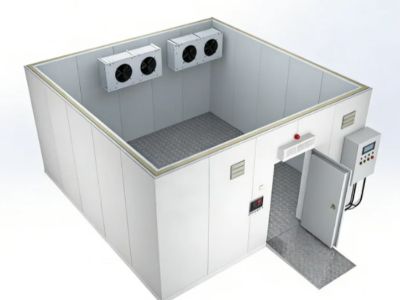
High-quality fruit ripening chambers possess several critical specifications that impact their performance.
Temperature Control: The ability to maintain precise temperature ranges is vital. Most fruits require temperatures between 15°C to 25°C, depending on the type. Poor temperature control can lead to uneven ripening or spoilage.
Humidity Control: Humidity levels should typically be maintained between 85% and 95%. Insufficient humidity can cause fruits to dry out, while excessive moisture can facilitate mold growth.
Airflow: Proper airflow is necessary for even ripening. Chambers should include fans that circulate air uniformly without causing excessive bruising to the fruits.
Insulation: Effective insulation helps maintain stable conditions and reduces energy consumption. Look for chambers with high-quality insulation materials that minimize heat loss.
Material Quality: The internal lining should be easy to clean and resistant to mold and bacteria, ensuring hygiene and safety for food products.
When evaluating potential chambers, it’s beneficial to request performance data and certifications that verify their capabilities.