Choosing the Best Fruit Ripening Chambers

Let's Discuss Your Needs

Every great collaboration starts with a friendly chat.
We're here to help you figure things out and find the best way forward.
Company Name
Name
Email
WhatsApp
Mobile

fruit ripening chambers

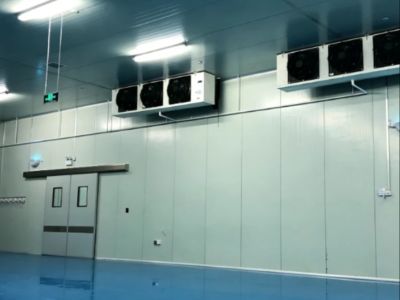
Fruit ripening chambers are specialized environments designed to control the ripening process of fruits, ensuring optimal quality and extending shelf life. These chambers are crucial for businesses involved in the food supply chain, including wholesalers, distributors, and retailers. By understanding the features and specifications of fruit ripening chambers, B2B buyers can make informed purchasing decisions that align with their operational needs. This article will guide you through selecting the right chamber, understanding key specifications, addressing common issues, evaluating cost factors, and finding reliable suppliers.

Reliable Suppliers of Fruit Ripening Chambers

High-quality fruit ripening chambers possess several critical specifications that impact their performance.

Temperature Control: The ability to maintain precise temperature ranges is vital. Most fruits require temperatures between 15°C to 25°C, depending on the type. Poor temperature control can lead to uneven ripening or spoilage.

Humidity Control: Humidity levels should typically be maintained between 85% and 95%. Insufficient humidity can cause fruits to dry out, while excessive moisture can facilitate mold growth.

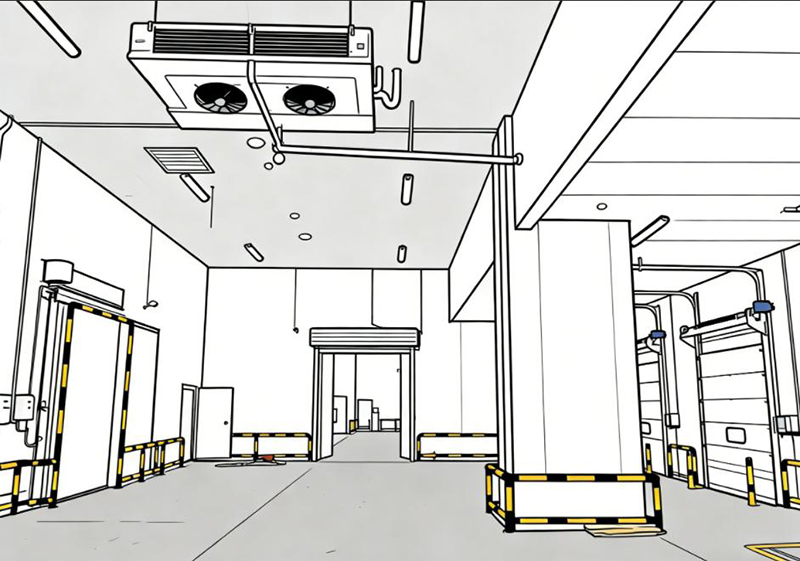
Airflow: Proper airflow is necessary for even ripening. Chambers should include fans that circulate air uniformly without causing excessive bruising to the fruits.

Insulation: Effective insulation helps maintain stable conditions and reduces energy consumption. Look for chambers with high-quality insulation materials that minimize heat loss.

Material Quality: The internal lining should be easy to clean and resistant to mold and bacteria, ensuring hygiene and safety for food products.

When evaluating potential chambers, it’s beneficial to request performance data and certifications that verify their capabilities.
Material Advantages of Quality Fruit Ripening Chambers

Despite their efficiency, fruit ripening chambers can encounter several common issues.

Temperature Fluctuations: Sudden changes in temperature can lead to inconsistent ripening. Regular maintenance checks and calibration of temperature sensors can prevent this.

Humidity Imbalance: If the humidity levels are not properly maintained, fruits can either dry out or become prone to decay. Installing advanced humidity control systems that include sensors and alarms can help maintain optimal levels.

Poor Air Circulation: Insufficient airflow can create hot or cold spots within the chamber, leading to uneven ripening. Ensure that the design includes adequate fans and that they are functioning effectively.

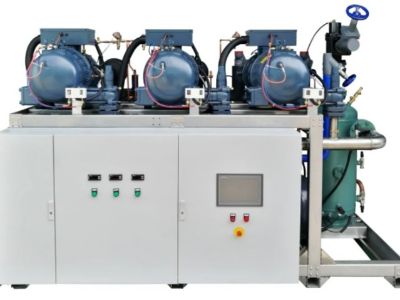
Energy Inefficiency: Chambers that consume excessive energy can increase operational costs. Investing in energy-efficient models, such as REFRIGERATION UNITS, can mitigate this issue. Regular maintenance also plays a crucial role in keeping energy consumption low.

Mold Growth: If not properly sanitized, chambers can become breeding grounds for mold. Regular cleaning and using antimicrobial coatings can help prevent this problem.

Understanding these challenges allows buyers to proactively seek solutions and maintain the efficiency of their ripening chambers.

Comparing Different Fruit Ripening Chamber Technologies

The cost of fruit ripening chambers can vary significantly based on several factors.

Size and Capacity: Larger chambers will generally cost more, both in initial purchase and ongoing energy costs. It's important to balance the size with your actual production needs.

Features and Automation: Advanced features such as computerized controls, monitoring systems, and automated temperature and humidity adjustments can increase costs but significantly enhance efficiency.

Quality of Materials: Higher-quality materials used in construction will raise the price but improve durability and performance. Look for chambers that use robust insulation and corrosion-resistant materials.

Energy Efficiency: While energy-efficient models may have a higher upfront cost, they can lead to significant savings on energy bills over time.

Supplier Reputation: Established manufacturers often charge more due to their reliability and warranty options. Researching supplier backgrounds can help you understand the value offered.

Buyers should carefully consider these factors when preparing an RFQ to ensure they receive accurate pricing aligned with their requirements.

Expert Tips for Bulk Orders of Fruit Ripening Chambers

Finding a reliable supplier for fruit ripening chambers is critical. Here are some strategies to identify trustworthy manufacturers:

Industry Trade Shows: Attending trade shows related to food processing and storage can provide direct access to manufacturers and their products. This allows buyers to see the chambers in action and ask specific questions.

Online Marketplaces: Platforms like Alibaba or Global Sources can connect you with numerous suppliers. It’s essential to review ratings and feedback from previous buyers to gauge reliability.

Industry Associations: Associations related to food technology and preservation often have directories of certified suppliers. These entities can provide recommendations based on industry standards.

Networking: Leveraging industry contacts can yield valuable insights into reputable suppliers. Engaging with peers in your network can lead to recommendations based on first-hand experiences.

Manufacturer Websites: Researching manufacturers like Shanghai Zhaoxue Refrigeration Co., Ltd. allows you to assess their product offerings, specifications, and certifications. A well-structured website often reflects a company's professionalism and commitment to quality. Additionally, consider exploring ICE MACHINE options that may complement your operations.

By utilizing these strategies, buyers can confidently source fruit ripening chambers that meet their operational needs.

How to Choose the Right Fruit Ripening Chamber for Your Needs

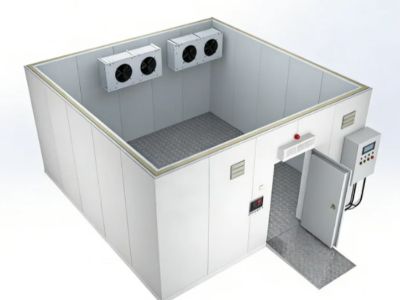
When selecting a fruit ripening chamber, several factors should guide your decision. First, consider the types of fruits you will be ripening, as different fruits require specific temperature and humidity levels. For instance, bananas and avocados typically need a warmer environment, while apples prefer cooler conditions. Additionally, a well-designed Cold Room can enhance the ripening process by providing the ideal conditions for various fruits.

Next, evaluate the chamber's size and capacity. This should align with your production scale and space availability. A chamber that’s too small can affect the ripening process, while an oversized unit may lead to inefficient energy use.

Automation features are also essential. Automated systems can monitor and adjust temperature, humidity, and air circulation, reducing manual oversight and ensuring consistent conditions. Look for chambers that offer programmable settings to accommodate different fruit types and ripening stages.

Lastly, consider your budget and energy efficiency. Energy-efficient models may have a higher upfront cost but can lead to long-term savings on operational expenses.

Frequently Asked Questions

What is a fruit ripening chamber?

A controlled environment room that regulates temperature, humidity and ethylene to uniformly ripen fruits for commercial distribution.
Yes. We design and build custom-engineered chambers to fit your space, capacity and workflow requirements.
Automated systems monitor and adjust temperature, humidity and ethylene dosing with programmable controllers for consistent results.
Yes. Our designs use insulated panels, efficient refrigeration and optimized controls to minimize energy consumption.
We offer global installation, commissioning, training and remote or on-site maintenance support to ensure reliable operation.

Our Blog Posts

10 Fascinating Facts About Cold Room You Never Knew!

12

Oct

10 Fascinating Facts About Cold Room You Never Knew!

The World's Largest "Refrigerator" Can Hold the Entire City of Rome. The global cold storage network is vast beyond imagination. For instance, the total storage capacity of one of North America's largest cold storage operators exceeds 400 million cub...
View More
what is the purpose of a cold room

03

Nov

what is the purpose of a cold room

The purpose of a cold room is essential for various industries, primarily focusing on the preservation and storage of temperature-sensitive products. This article delves into the role of cold rooms, specifically in the food industry, and provides ins...
View More
how to set cold room temperature

03

Nov

how to set cold room temperature

Setting the right cold room temperature is crucial for industries that rely on precise temperature control to maintain the quality and safety of their products. Whether you are in the food, pharmaceutical, or logistics sector, understanding how to se...
View More
how to clean condensing unit

03

Nov

how to clean condensing unit

Cleaning a condensing unit is essential for maintaining the efficiency and longevity of refrigeration systems, particularly in industries like food processing, pharmaceuticals, and logistics. Proper cleaning helps prevent malfunctions, reduces energy...
View More

Leave a Message

Email
Name
Company Name
Message
0/1000

Related product categories