Key Specifications of Small Coolrooms for Buyers

Let's Discuss Your Needs

Every great collaboration starts with a friendly chat.
We're here to help you figure things out and find the best way forward.
Company Name
Name
Email
WhatsApp
Mobile

small coolroom

Small coolrooms are essential refrigerated spaces designed to maintain specific temperature ranges for storing sensitive products such as food and pharmaceuticals. As a B2B buyer, you may have concerns regarding energy efficiency, customization options, maintenance, and the overall suitability for your operational needs. This article will help you navigate the key specifications, applications, and best practices related to small coolrooms, ensuring you make informed decisions when considering your cold storage solutions.

Top Applications of Small Coolrooms in Food and Pharma Industries

Small coolrooms serve diverse applications in both the food and pharmaceutical sectors, where temperature control is critical:

Food Storage: In the food industry, small coolrooms are used for storing perishable items, such as dairy products, meats, and vegetables. These facilities help extend shelf life and maintain product quality by preventing spoilage.

Pharmaceutical Storage: For the pharmaceutical sector, maintaining a consistent temperature is vital for the efficacy of medications and vaccines. Small coolrooms designed for this industry often incorporate advanced monitoring systems to ensure compliance with stringent regulations.

Logistics and Distribution: Small coolrooms play a crucial role in logistics, providing a controlled environment for transporting temperature-sensitive goods. This ensures that products remain viable throughout the supply chain.

Research and Development: In laboratories, small coolrooms are utilized for storing samples and reagents that require specific temperature conditions, facilitating accurate research outcomes.

Catering and Food Service: Restaurants and catering businesses benefit from small coolrooms for efficient food storage, allowing for better inventory management and fresher ingredients. For instance, utilizing a Cold Room can enhance food storage practices in these settings.

Understanding these applications can guide you in selecting the right small coolroom for your specific industry needs.
Why Choose Shanghai Zhaoxue Cold Storage Solutions

Shanghai Zhaoxue Refrigeration Co., Ltd. specializes in manufacturing energy-efficient cold storage solutions tailored to various industries, including food and pharmaceuticals. Here are some reasons to consider their small coolrooms:

Custom Engineering: The company offers custom-engineered solutions that cater to unique operational requirements, ensuring that the coolrooms are optimally designed for your application.

Advanced Technology: With automated systems and energy-efficient technologies, Zhaoxue's small coolrooms help reduce operational costs while maintaining high performance.

Quality Assurance: The manufacturing process adheres to stringent quality control measures, ensuring that each unit meets industry standards and customer specifications.

Global Experience: Zhaoxue has extensive experience in supplying cold storage solutions worldwide, allowing them to understand and meet diverse market needs effectively.

Support and Maintenance: The company provides comprehensive support, including installation guidance and maintenance services, ensuring a smooth operation of your cold storage systems.

Choosing a reputable manufacturer like Shanghai Zhaoxue enhances the reliability and efficiency of your cold storage solutions.

Best Practices and Tips

To maximize the efficiency and lifespan of your small coolroom, consider the following best practices:

Regular Maintenance: Schedule routine maintenance checks to ensure the cooling system operates efficiently. This should include cleaning condenser coils, checking refrigerant levels, and inspecting seals for any wear.

Temperature Monitoring: Implement temperature monitoring systems to provide real-time data on conditions inside the coolroom. This helps in quickly identifying any deviations that could affect product integrity.

Proper Loading: Avoid overloading the coolroom, as this can obstruct airflow and lead to temperature fluctuations. Distributing products evenly across shelves can help maintain consistent temperatures.

Energy Management: Utilize energy-efficient practices, such as keeping doors closed as much as possible and using LED lighting, to reduce energy consumption.

Staff Training: Ensure that staff are adequately trained on operating procedures, including loading and unloading protocols, to maintain the integrity of the stored products.

Following these best practices can lead to improved performance and longevity of your small coolroom.

Common Problems with Small Coolrooms and Effective Solutions Available

While small coolrooms are designed to perform reliably, issues can arise. Here are some common problems and their solutions:

Temperature Fluctuations: If you notice inconsistent temperatures, first check the door seals for wear or damage. Replacing faulty seals can often resolve this issue. Additionally, ensure that the cooling system is properly sized for the space.

Condensation Issues: Excessive condensation can indicate poor insulation or temperature control problems. Evaluate insulation integrity and consider installing dehumidifiers if necessary.

High Energy Costs: If energy bills are unexpectedly high, examine the cooling system for inefficiencies. Regular maintenance and upgrades to energy-efficient components can help reduce operational costs.

Equipment Failures: Regularly inspect and maintain components such as compressors and evaporators to prevent sudden failures. Establish a preventive maintenance schedule to address potential issues before they escalate.

Space Utilization Problems: If the space is not utilized efficiently, consider custom shelving options or reorganizing the layout to optimize storage capacity.

By proactively addressing these common issues, you can ensure that your small coolroom operates effectively and maintains the quality of your stored products.

Key Specifications of Small Coolrooms for Wholesale Buyers

When evaluating small coolrooms, several key specifications must be considered to ensure they meet your operational requirements:

Dimensions: The size of the coolroom is crucial as it should fit within your available space while accommodating your storage needs. Measure the intended area carefully to avoid issues during installation.

Temperature Range: Small coolrooms typically operate between 0°C to 8°C for food storage, while pharmaceutical applications may require stricter temperature controls. Ensure that the specified temperature range aligns with your product requirements.

Insulation Material: The choice of insulation material impacts energy efficiency and temperature stability. Common materials include polyurethane and polystyrene, each offering different thermal resistance levels. Assess the insulation's R-value to understand its effectiveness.

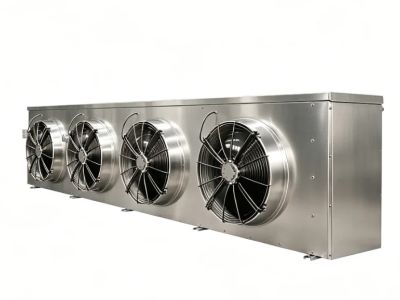
Cooling Systems: Different cooling technologies, such as direct expansion and chilled water systems, offer various benefits and efficiencies. Evaluate the cooling system's compatibility with your operational demands. For example, REFRIGERATION UNITS may be an important consideration for your cooling needs.

Energy Efficiency: Look for energy-efficient models that meet or exceed industry standards. Energy Star ratings or similar certifications can serve as benchmarks for efficiency.

Compliance: Confirm that the coolrooms comply with local regulations and industry standards, particularly for food safety and pharmaceutical storage.

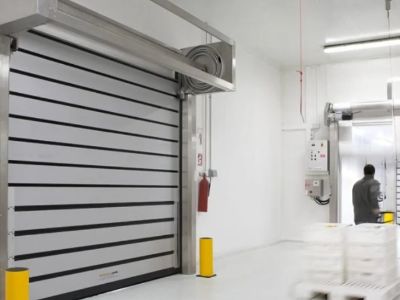
Customization Options: Depending on your specific needs, customization may include shelving configurations, door types, and access controls. Discuss available options with the manufacturer to tailor the coolroom to your requirements.

Understanding these specifications will help you choose a small coolroom that meets your operational requirements and budget.

Frequently Asked Questions

What is a small coolroom used for?

A small coolroom stores perishable items like food, pharmaceuticals, and ingredients at controlled temperatures for short- to medium-term preservation and handling.
Yes. We provide custom-engineered small coolrooms tailored for space, capacity, shelving, door placement and workflow requirements.
Our small coolrooms can be configured for chilled (typically 0–8°C) and near-freeze ranges depending on product needs and insulation.
Yes. We offer automated controls, remote monitoring, alarms and data logging to ensure temperature stability and regulatory compliance.
We use high-performance insulation, efficient compressors, variable-speed fans and smart controls to minimize energy use while maintaining stable temperatures.

Our Blog Posts

10 Fascinating Facts About Cold Room You Never Knew!

12

Oct

10 Fascinating Facts About Cold Room You Never Knew!

The World's Largest "Refrigerator" Can Hold the Entire City of Rome. The global cold storage network is vast beyond imagination. For instance, the total storage capacity of one of North America's largest cold storage operators exceeds 400 million cub...
View More
how to set temperature in chiller

03

Nov

how to set temperature in chiller

Setting the correct temperature in a chiller is crucial for maintaining the quality and safety of sensitive products, especially in industries like food, pharmaceuticals, and logistics. This article will address key considerations for B2B buyers, inc...
View More
what does evaporator coil do

03

Nov

what does evaporator coil do

Understanding what an evaporator coil does is essential for anyone involved in the purchasing or maintenance of refrigeration systems. These coils play a crucial role in cooling processes by absorbing heat from the environment, making them indispensa...
View More
what are the methods of food preservation

03

Nov

what are the methods of food preservation

Food preservation is a critical process for maintaining the quality and safety of perishable items, especially in the food industry. Understanding what are the methods of food preservation can help businesses minimize waste, ensure product integrity,...
View More

Leave a Message

Email
Name
Company Name
Message
0/1000

Related product categories