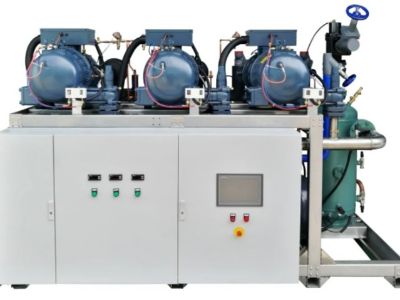
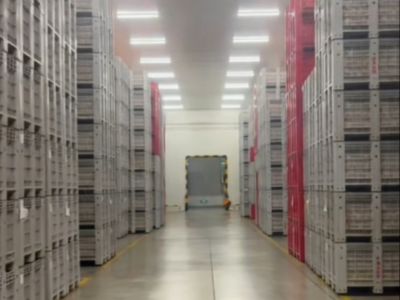
Chiller Solutions for Cold Storage Efficiency

Let's Discuss Your Needs

Every great collaboration starts with a friendly chat.
We're here to help you figure things out and find the best way forward.
Company Name
Name
Email
WhatsApp
Mobile

chiller for cold storage

In the realm of cold storage solutions, a chiller for cold storage plays a critical role in maintaining optimal temperatures for perishable goods across industries such as food, pharmaceuticals, and logistics. These systems are designed to ensure product integrity, minimize spoilage, and comply with regulatory standards. As a purchasing manager or an engineer, your main concerns often revolve around efficiency, reliability, and compliance with industry standards. This article will guide you through essential specifications, cost factors, supplier evaluation, quality standards, and how to effectively compare different chiller options to meet your operational needs.

Understanding the Cost Factors of Cold Storage Chiller Systems

The costs associated with a cold storage chiller can vary widely based on several factors:

Initial Purchase Price: This includes the base cost of the chiller, but it may also encompass installation expenses. It’s essential to obtain detailed quotes that break down these costs.

Operational Costs: These include energy consumption, maintenance, and any potential downtime. Energy-efficient models may have a higher upfront cost but can lead to significant savings over time.

Customization Requirements: If your application requires specific modifications, this can influence pricing. Custom features or configurations may incur additional costs, so it's important to outline your requirements clearly when requesting quotes.

Warranty and Service Agreements: Consider the long-term value of warranty coverage and service agreements. More comprehensive support packages may lead to higher initial costs but provide security against future repairs.

Regulatory Compliance: Depending on your industry, compliance with regulations may affect initial and operational costs. Ensure that the chiller you select meets all relevant standards to avoid potential penalties.

By understanding these cost factors, you can make a more informed decision that balances quality, efficiency, and budget.
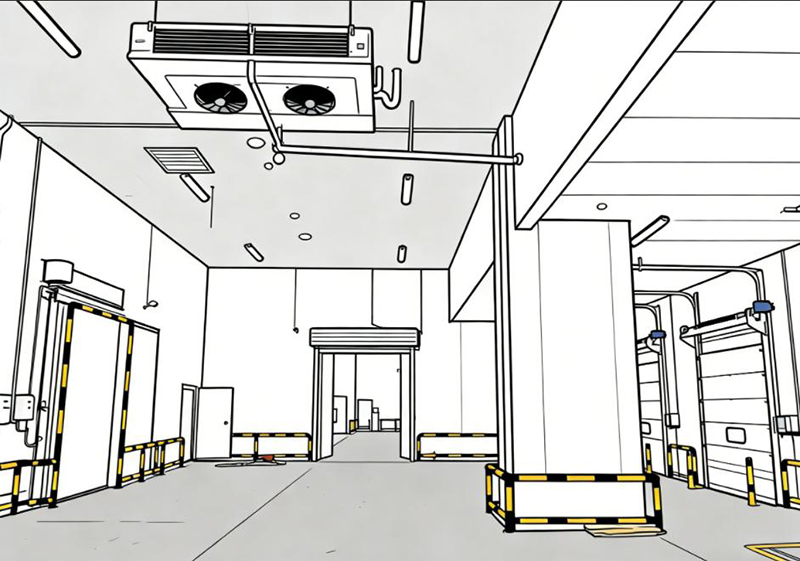
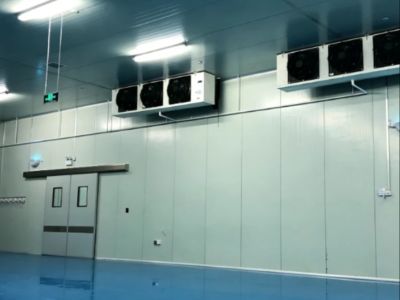
Where to Find Reliable Suppliers for Cold Storage Chillers

Finding a reliable supplier for cold storage chillers is crucial for ensuring a smooth purchasing process and ongoing support. Here are some strategies to identify trustworthy suppliers:

Industry Associations: Organizations like the International Institute of Refrigeration (IIR) often provide directories of certified manufacturers and suppliers.

Trade Shows and Exhibitions: Attending industry events allows you to meet suppliers in person, see their products firsthand, and ask questions about their offerings.

Online Marketplaces and Reviews: Websites that focus on industrial equipment often have user reviews and ratings that can provide insights into supplier reliability and product quality.

Referrals and Recommendations: Networking with peers in your industry can lead to valuable referrals. Ask about their experiences with suppliers and any recommendations they may have.

Manufacturer Websites: Research manufacturers’ websites for case studies, testimonials, and information about their production capabilities. This can give you a sense of their authority and expertise in the field.

By leveraging these resources, you can identify suppliers that not only meet your immediate needs but also establish a long-term partnership.

Evaluating Quality Standards in Cold Storage Chiller Manufacturing

Quality standards are paramount when selecting a chiller for cold storage. Consider the following aspects:

Certifications: Look for manufacturers that hold relevant certifications, such as ISO 9001 for quality management systems. These certifications indicate a commitment to maintaining high manufacturing standards.

Quality Control Processes: Inquire about the manufacturer’s quality assurance protocols. Effective quality control should include regular inspections during production, testing of finished products, and compliance with industry standards.

Materials and Components: Assess the quality of materials used in the chiller’s construction. High-grade materials can enhance durability and performance, reducing the risk of breakdowns.

Testing Procedures: Reliable manufacturers should conduct rigorous testing on their chillers before they reach the market. This includes performance testing under various conditions to ensure reliability.

Customer Feedback: Research customer reviews and case studies to gain insights into the product's performance and reliability in real-world applications. This feedback can help you gauge the manufacturer's reputation.

By focusing on these quality standards, you can confidently select a chiller that meets both your operational needs and industry regulations.

How to Compare Different Cold Storage Chillers for Your Needs

When comparing different chillers, a systematic approach can help you make a well-informed decision:

Create a Comparison Matrix: List the key specifications, features, and costs of each chiller under consideration. This visual representation will help you easily identify strengths and weaknesses.

Evaluate Performance Metrics: Consider not just the cooling capacity but also energy efficiency ratings, maintenance intervals, and warranty options. These factors can significantly impact long-term operational costs.

Consider Application Compatibility: Ensure that the chillers are suitable for your specific application. Different industries may have unique requirements that affect performance and compliance.

Seek Expert Opinions: Consult with engineers or refrigeration specialists who can provide insights into the technological aspects of the chillers you are considering. Their expertise can help you avoid common pitfalls.

Request Samples or Demonstrations: Whenever possible, request a demonstration or a sample unit. This allows you to evaluate the chiller's performance firsthand and make a more informed comparison. You might also consider models like Tunnel Freezer for different applications.

By following this structured approach, you can ensure that the chiller you select is the best fit for your operational needs, maximizing both efficiency and cost-effectiveness.

Key Specifications to Consider for Cold Storage Chillers

When selecting a chiller for cold storage, several key specifications warrant careful consideration:

Cooling Capacity: Measured in BTUs or tons, this indicates how much heat the chiller can remove from the storage area. It is vital to match the cooling capacity with the size and thermal load of the storage room to ensure efficiency.

Temperature Range: Different applications require varying temperature settings. For instance, pharmaceutical products often need stricter temperature controls than food items. Be sure to confirm the temperature range that the chiller can maintain consistently.

Energy Efficiency: Look for chillers with high Energy Efficiency Ratios (EER) or Seasonal Energy Efficiency Ratios (SEER). Energy-efficient models not only reduce operational costs but also have a lower environmental impact.

Refrigerant Type: The choice of refrigerant can affect operational efficiency and environmental compliance. Familiarize yourself with the pros and cons of common refrigerants, like R-134a or R-404A, and consider the manufacturer's recommendations based on your specific application.

Maintenance Requirements: Evaluate how easy it is to maintain the chiller. Features like removable panels, accessible components, and clear service documentation can significantly reduce downtime during maintenance. Additionally, consider options like Self-stacking Spiral Freezers which can enhance the efficiency of your cold storage setup.

Understanding these specifications will help you select a chiller that not only meets your immediate cooling needs but also aligns with your long-term operational goals.

Frequently Asked Questions

What applications suit this chiller for cold storage?

Our chillers are designed for food, pharmaceutical, and logistics cold storage, supporting walk-in rooms, freezers, and automated storage systems with precise temperature control and high energy efficiency.
Yes. We provide custom-engineered chillers tailored to room size, temperature range, and process needs, including control integration and automated functions for specific food or pharma requirements.
Typical ranges cover mild refrigeration to deep freeze conditions. Exact ranges are configured per project; we deliver systems capable of precise setpoint control to meet product and regulatory needs.
Our chillers use efficient compressors, heat exchangers, and controls to minimize power use. Energy performance is optimized per installation and can be provided as projections during proposal.
Yes. We offer installation, commissioning, automation setup, and global after-sales support including maintenance plans, spare parts, and remote monitoring options.

Our Blog Posts

10 Fascinating Facts About Cold Room You Never Knew!

12

Oct

10 Fascinating Facts About Cold Room You Never Knew!

The World's Largest "Refrigerator" Can Hold the Entire City of Rome. The global cold storage network is vast beyond imagination. For instance, the total storage capacity of one of North America's largest cold storage operators exceeds 400 million cub...
View More
how to set cold room temperature

03

Nov

how to set cold room temperature

Setting the right cold room temperature is crucial for industries that rely on precise temperature control to maintain the quality and safety of their products. Whether you are in the food, pharmaceutical, or logistics sector, understanding how to se...
View More
how to clean condensing unit

03

Nov

how to clean condensing unit

Cleaning a condensing unit is essential for maintaining the efficiency and longevity of refrigeration systems, particularly in industries like food processing, pharmaceuticals, and logistics. Proper cleaning helps prevent malfunctions, reduces energy...
View More
controlled atmosphere storage of fruits and vegetables

03

Nov

controlled atmosphere storage of fruits and vegetables

Controlled atmosphere storage of fruits and vegetables is a critical component in preserving the quality and extending the shelf life of produce. These specialized storage solutions regulate temperature, humidity, and gas composition to slow down rip...
View More

Leave a Message

Email
Name
Company Name
Message
0/1000

Related product categories