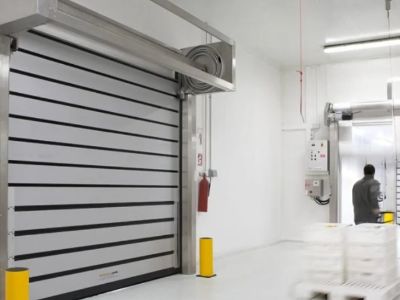
High-Quality Coolroom Doors for Sale

Let's Discuss Your Needs

Every great collaboration starts with a friendly chat.
We're here to help you figure things out and find the best way forward.
Company Name
Name
Email
WhatsApp
Mobile

coolroom doors for sale

Coolroom doors are essential components in the refrigeration industry, particularly for businesses involved in food storage, pharmaceuticals, and logistics. As a B2B buyer searching for coolroom doors for sale, your primary concerns will likely include product specifications, energy efficiency, durability, and how well the doors fit your specific operational needs. This article will guide you through selecting the right coolroom doors, understanding their benefits, and the key specifications to consider, ensuring you make an informed purchasing decision.

Benefits for Importers and Distributors

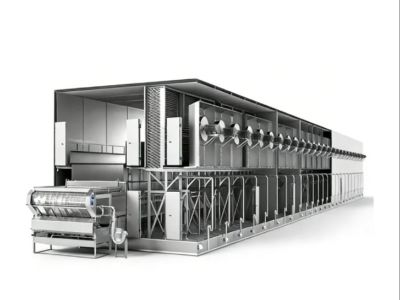
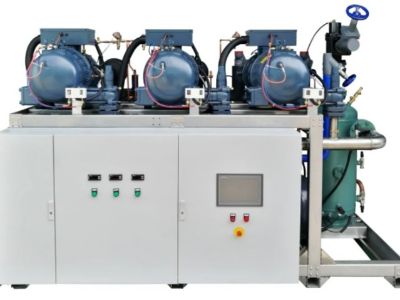
For importers and distributors, investing in high-quality coolroom doors can lead to significant operational advantages. First, these doors enhance energy efficiency, which can lower operational costs over time. Properly insulated doors help maintain the desired temperature with minimal energy consumption, contributing to a more sustainable business model. You might also consider our REFRIGERATION UNITS for a comprehensive approach to temperature control.

Additionally, durable coolroom doors reduce maintenance costs and minimize downtime. High-quality materials ensure that doors can withstand frequent use and harsh environmental conditions, which is crucial for maintaining product integrity during storage. Finally, well-designed coolroom doors provide better accessibility, improving workflow efficiency when loading and unloading goods.
Key Specifications of High-Quality Coolroom Doors Explained

When evaluating coolroom doors, several specifications are critical to ensuring product quality and suitability:

Insulation Thickness: The insulation thickness affects the thermal performance of the door. A thicker insulation layer typically results in better energy efficiency. For most applications, a thickness of at least 50mm is recommended, but this can vary based on specific temperature requirements.

Material: Common materials for coolroom doors include steel, aluminum, and fiberglass. Steel offers strength and durability, while aluminum is lighter and resistant to corrosion. Fiberglass provides excellent insulation properties but may be less durable than metal options. Each material has its advantages, so choose based on your operational needs.

Sealing System: High-quality sealing systems prevent air leaks, which can compromise the coolroom’s temperature. Look for doors with robust gaskets and seals that can withstand wear and tear.

Load Capacity: Depending on your operation, you may need doors that can support heavy loads. Check the load specifications of the doors to ensure they can handle the weight of equipment and goods that will pass through.

Dimensions: Ensure that the dimensions of the doors fit your existing frameworks. Custom sizes may be necessary for unique installations, so be prepared to provide specific measurements when requesting quotes.

What to Look For

When purchasing coolroom doors, it’s essential to look beyond the initial cost. Consider the total cost of ownership, including energy savings, maintenance, and potential downtime. Check for warranties and service agreements offered by the manufacturer. A longer warranty period often indicates confidence in product quality and performance.

Additionally, inquire about the manufacturer's production capabilities. A reliable manufacturer should provide information about their quality control processes and testing standards. This transparency can help gauge the reliability of the product and the manufacturer’s commitment to quality.

Lastly, ensure that the supplier can provide samples or prototypes before placing a bulk order. Testing samples under your specific operational conditions can reveal potential issues that may not be apparent from specifications alone.

Essential Considerations

Before finalizing your purchase of coolroom doors, consider the following essential factors:

Lead Time: Understand the lead time for delivery, especially if you’re working under tight timelines. Custom orders may take longer, so plan accordingly.

Minimum Order Quantity (MOQ): Manufacturers often have a MOQ, which can impact your budget and inventory management. Confirm this with your supplier early in the negotiation process.

Packaging and Shipping: Discuss how the doors will be packaged for shipping. Proper packaging is crucial to avoid damage during transit, especially for larger or more fragile materials.

Installation Requirements: Ensure you understand the installation process and whether you will need professional assistance. Some manufacturers may offer installation services, which can simplify the process.

Post-Purchase Support: Finally, inquire about the support offered after the purchase. Access to customer service for troubleshooting and maintenance advice can be invaluable as you integrate new equipment into your operations.

By carefully considering these factors, you can select the right coolroom doors that will enhance the efficiency and safety of your storage operations. Whether you are an importer, distributor, or involved in food or pharmaceutical storage, the right coolroom doors are a critical investment in your business's success.

How to Choose the Right Coolroom Doors for Your Business Needs

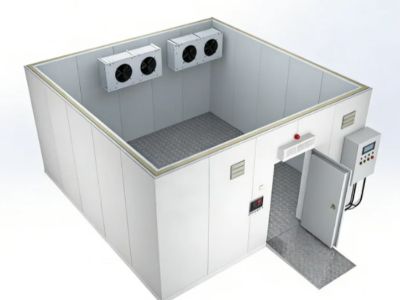
When selecting coolroom doors, you should first assess the specific requirements of your business. Key factors to consider include the type of materials used, insulation capabilities, and dimensions suitable for your facilities. For instance, if your operation requires frequent access, a high-performance sliding door may be more appropriate than a traditional hinged door. Additionally, consider the temperature range your coolroom must maintain, as this impacts the insulation properties necessary for energy efficiency. If you're looking for effective temperature maintenance, check out our Cold Room solutions.

Another critical aspect is compliance with industry standards and regulations, especially in sectors like food and pharmaceuticals. Ensure that the coolroom doors you choose meet the necessary certifications, which can help avoid costly compliance issues down the line. Lastly, think about customization options that can cater to unique business needs, such as specialized seals or access control systems.

Frequently Asked Questions

What types of coolroom doors do you offer?

We supply insulated swing, sliding, roll-up, and automated doors tailored for cold storage, freezers, and pharma environments, with options for glass panels and hygienic finishes.
Yes. We custom-engineer doors to your exact dimensions, insulation needs, and site constraints to ensure optimal thermal performance and fit.
Absolutely. Our doors integrate with automated controls, conveyors, and access systems, supporting sensors, remote monitoring, and PLC integration.
Doors use high-density insulation, tight seals, and quality hardware to minimize thermal loss, reduce compressor cycling, and improve overall coldroom efficiency.
We provide professional installation, commissioning, site training, spare parts, and global service contracts for maintenance and rapid technical support.

Our Blog Posts

what is the purpose of a cold room

03

Nov

what is the purpose of a cold room

The purpose of a cold room is essential for various industries, primarily focusing on the preservation and storage of temperature-sensitive products. This article delves into the role of cold rooms, specifically in the food industry, and provides ins...
View More
how to clean condensing unit

03

Nov

how to clean condensing unit

Cleaning a condensing unit is essential for maintaining the efficiency and longevity of refrigeration systems, particularly in industries like food processing, pharmaceuticals, and logistics. Proper cleaning helps prevent malfunctions, reduces energy...
View More
what are the methods of food preservation

03

Nov

what are the methods of food preservation

Food preservation is a critical process for maintaining the quality and safety of perishable items, especially in the food industry. Understanding what are the methods of food preservation can help businesses minimize waste, ensure product integrity,...
View More
what are the advantages of food preservation

03

Nov

what are the advantages of food preservation

Food preservation is a critical process that extends the shelf life of perishable goods such as fruits, vegetables, meats, and dairy products. Understanding the advantages of food preservation can greatly benefit businesses in the food industry, incl...
View More

Leave a Message

Email
Name
Company Name
Message
0/1000

Related product categories