Buy Cold Room Panels: Essential Buying Guide

Let's Discuss Your Needs

Every great collaboration starts with a friendly chat.
We're here to help you figure things out and find the best way forward.
Company Name
Name
Email
WhatsApp
Mobile

buy cold room panels

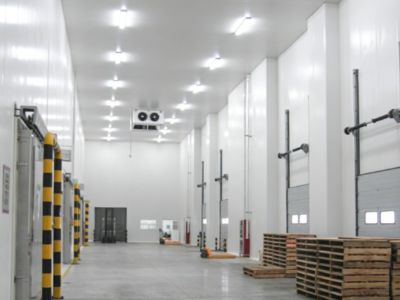
Purchasing cold room panels is a crucial step for businesses in the food, pharmaceutical, and logistics sectors that require efficient temperature management solutions. These panels are essential for constructing cold storage rooms and freezers that maintain strict temperature controls, ensuring the integrity of products. Buyers often seek information on product specifications, installation, and cost factors to make informed decisions. This article will guide you through the essential considerations when looking to buy cold room panels.

Key Specifications to Consider for Cold Room Panels

When buying cold room panels, several key specifications should be scrutinized:

Thermal Resistance (R-value): This value indicates the panel's insulation effectiveness. A higher R-value means better insulation, which is vital for energy efficiency and maintaining the desired temperature.

Load-Bearing Capacity: Depending on your intended use, the panels may need to support additional loads, such as shelving or equipment. Ensure that the selected panels can handle these loads to avoid structural issues.

Fire Resistance: Depending on regulations and application, fire-resistant panels may be required. Check for compliance with local fire safety standards and certifications.

Moisture Resistance: In environments where condensation is a concern, such as in food processing, moisture-resistant panels are essential. Look for panels designed to prevent moisture buildup and promote hygiene.

Dimensions: Custom dimensions may be necessary for specific installations. Ensure the manufacturer can provide panels that fit your spatial constraints without compromising performance.

Understanding these specifications will help you select panels that align with your application needs and compliance requirements.
Cost Factors for Bulk Orders of Cold Room Panels Explained

The cost of cold room panels can vary significantly based on several factors:

Material Costs: The choice of insulation and exterior materials directly impacts pricing. Polyurethane panels, while more expensive, offer better insulation than polystyrene panels, affecting the overall cost.

Panel Thickness: Thicker panels generally cost more but can lead to energy savings in the long run due to improved insulation. It’s essential to balance upfront costs with potential operational savings.

Customization: Custom-sized panels or those with specific features (e.g., fire-resistant coatings) can increase costs. Ensure you have a clear understanding of your requirements to prevent unnecessary expenses.

Order Quantity: Bulk orders often come with discounts. Confirm the minimum order quantities (MOQ) with the supplier and consider consolidating your order to lower per-unit costs.

Shipping and Handling: Costs associated with transportation can be significant, especially for large orders. Consider the delivery destination and logistics when calculating total expenses.

By understanding these cost factors, you can better budget for your cold room panel purchases and negotiate effectively with suppliers.

Installation Guidance for Cold Room Panels in Commercial Settings

Proper installation of cold room panels is critical for ensuring their performance. Here are some installation considerations:

Preparation of Site: The installation area should be clean, dry, and free of debris. Ensure that the foundation can support the weight of the panels and any additional equipment.

Panel Alignment: Start by installing the corner panels first to establish a reference point. Ensure that each panel is level and properly aligned to avoid temperature leakage.

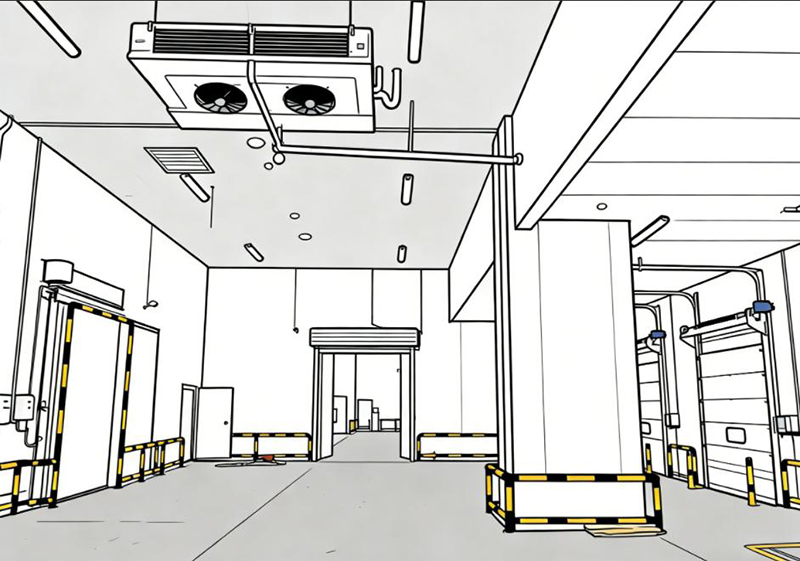
Sealing: Use high-quality sealants at joints and connections to ensure airtight seals. This step is vital for maintaining the energy efficiency of the cold room.

Inspections: After installation, conduct thorough inspections to check for gaps, misalignments, or potential weak points. Address any issues before putting the cold room into operation.

Training: If in-house staff will be responsible for ongoing maintenance, provide them with training on how to inspect and maintain the cold room panels effectively.

Following these guidelines will help you achieve optimal installation results, ensuring the longevity and functionality of your cold storage solution.

Applications of Cold Room Panels in Food and Pharma Industries

Cold room panels are versatile and widely used in several applications:

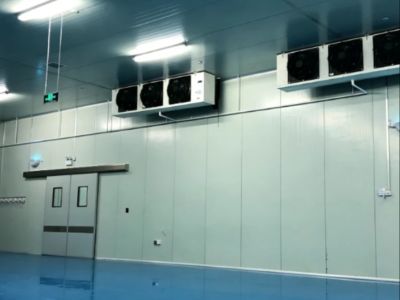
Food Storage: In the food industry, maintaining specific temperature ranges is crucial for food safety and shelf life. Cold room panels are used in freezers and storage areas to ensure that perishables are stored at safe temperatures.

Pharmaceutical Storage: The pharmaceutical sector requires stringent temperature controls for many products, including vaccines and sensitive medications. Cold room panels help create environments that meet regulatory standards, ensuring that products remain effective.

Logistics and Distribution: Cold storage solutions equipped with cold room panels are essential for the logistics sector, enabling the safe transport of temperature-sensitive goods.

Research Facilities: Laboratories that require precise temperature conditions for experiments also utilize cold room panels to maintain controlled environments.

Understanding these applications can help buyers select panels that are specifically designed for their industry needs, ensuring compliance and operational efficiency.

By considering the factors discussed, buyers can make informed decisions when looking to buy cold room panels, ultimately leading to successful installations that meet their business needs.

How to Choose the Right Cold Room Panels for Your Projec

Selecting the appropriate cold room panels involves assessing your specific application requirements. Key factors to consider include:

Insulation Type: Cold room panels typically use polyurethane or polystyrene insulation. Polyurethane offers superior thermal resistance, making it suitable for environments requiring stringent temperature control, while polystyrene is more cost-effective for less demanding applications.

Thickness: The thickness of the panels affects their insulation efficiency. Standard thicknesses range from 50mm to 150mm, with thicker panels providing better insulation but potentially increasing upfront costs.

Material Durability: The exterior material of the panels should be durable enough to withstand the specific conditions of your environment. Common materials include galvanized steel, stainless steel, and aluminum. Stainless steel is recommended for high-humidity environments to prevent corrosion.

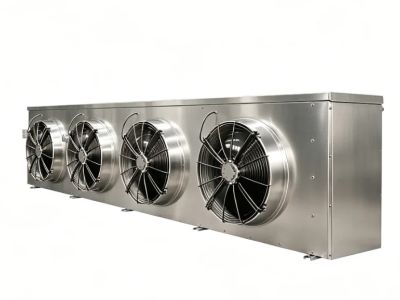
Sealing and Joints: The quality of seals and joints is crucial for maintaining temperature integrity. Look for panels that feature tongue-and-groove joints and high-quality sealing materials to minimize air leakage. Additionally, consider integrating a refrigeration unit to enhance the efficiency of your cold room.

By carefully evaluating these factors, you can ensure that the selected cold room panels will meet the operational requirements of your project.

Frequently Asked Questions

What cold room panel types do you offer?

We supply PU insulated sandwich panels in various thicknesses (50–200mm) with different facings for temperature ranges from -40°C to +20°C, customized per application.
Yes. We custom-engineer panel dimensions, thickness, facings, joint profiles, and accessories to meet food, pharma, or logistics specifications and site constraints.
Panels use high-density polyurethane foam with tight tongue-and-groove joints and factory-controlled assembly to minimize thermal bridges and maintain long-term insulation performance.
We provide factory-made panels with clear instructions or turnkey installation. Lead time depends on size and specs, typically 2–8 weeks; expedited options are available.
Yes. We provide product warranty, performance guarantees, commissioning support, and global technical service for maintenance, troubleshooting, and spare parts.

Our Blog Posts

10 Fascinating Facts About Cold Room You Never Knew!

12

Oct

10 Fascinating Facts About Cold Room You Never Knew!

The World's Largest "Refrigerator" Can Hold the Entire City of Rome. The global cold storage network is vast beyond imagination. For instance, the total storage capacity of one of North America's largest cold storage operators exceeds 400 million cub...
View More
how to set cold room temperature

03

Nov

how to set cold room temperature

Setting the right cold room temperature is crucial for industries that rely on precise temperature control to maintain the quality and safety of their products. Whether you are in the food, pharmaceutical, or logistics sector, understanding how to se...
View More
what is a chiller used for

03

Nov

what is a chiller used for

Industrial chillers are critical components in various sectors, providing precise temperature control for a range of applications. Understanding what a energy-efficient chillers is used for can greatly influence purchasing decisions for business...
View More
what does evaporator coil do

03

Nov

what does evaporator coil do

Understanding what an evaporator coil does is essential for anyone involved in the purchasing or maintenance of refrigeration systems. These coils play a crucial role in cooling processes by absorbing heat from the environment, making them indispensa...
View More

Leave a Message

Email
Name
Company Name
Message
0/1000

Related product categories