Choosing the Right Commercial Cold Room Solutions

Let's Discuss Your Needs

Every great collaboration starts with a friendly chat.
We're here to help you figure things out and find the best way forward.
Company Name
Name
Email
WhatsApp
Mobile

commercial cold room

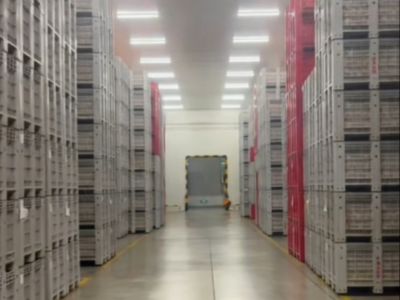
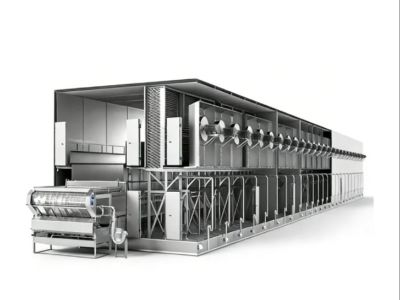
Choosing the right commercial cold room can significantly impact your business's efficiency, especially in industries like food, pharmaceuticals, and logistics. These specialized storage solutions help maintain optimal temperatures and preserve the quality of temperature-sensitive products. As a purchasing manager or distributor, your main concerns may include energy efficiency, capacity, and customization options. This article will guide you through selecting the right commercial cold room, highlighting key features, cost factors, common issues, and applications across various industries.

Key Features to Consider

When evaluating commercial cold rooms, several key features should be prioritized:

Insulation: High-quality insulation materials, such as polyurethane foam, minimize heat transfer and improve energy efficiency. The thickness of the insulation is also crucial; thicker insulation generally offers better thermal performance.

Temperature Control: Advanced temperature control systems with digital thermostats and monitoring capabilities ensure precise temperature regulation. Some models offer remote monitoring, allowing for real-time temperature tracking.

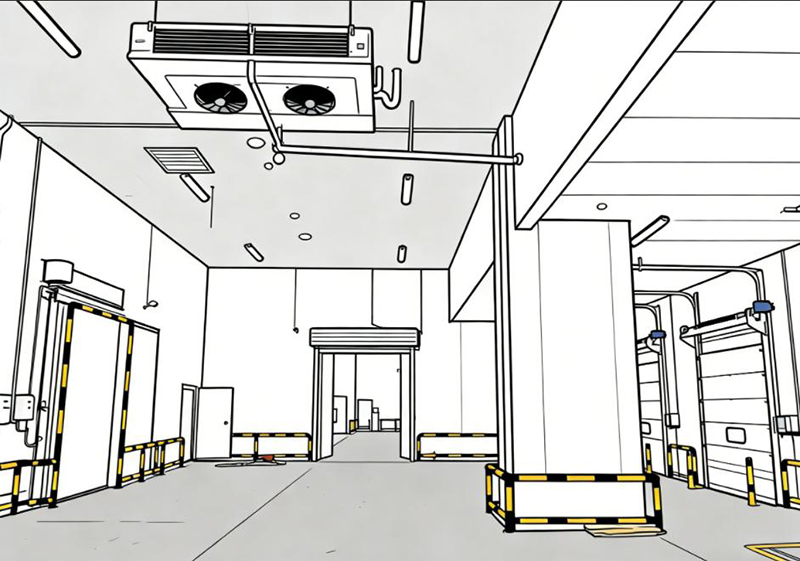
Accessibility: Consider the layout of the cold room and the types of doors (sliding, hinged, or roll-up) that best suit your operational needs. Accessibility impacts loading and unloading efficiency.

Safety Features: Look for safety features such as emergency exit alarms, backup power systems, and robust locking mechanisms to prevent unauthorized access.

Customizability: Depending on your specific applications, you may need customized shelving, racking systems, or temperature zones within the cold room. Discuss these options with your supplier to ensure they meet your operational requirements.
Understanding Cost Factors for Commercial Cold Room Solutions

The cost of a commercial cold room can vary significantly based on several factors. Key price determinants include:

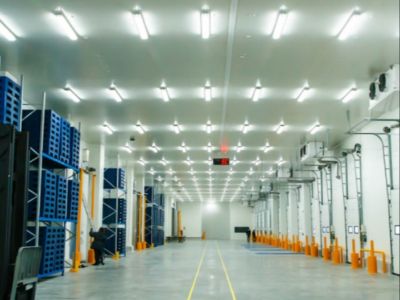
Size and Capacity: Larger cold rooms with higher storage capacities will naturally come at a higher cost. Assessing your storage needs accurately can help avoid overspending on unnecessary space.

Materials and Construction: The quality of materials used in construction, such as insulation and flooring, directly affects the price. Opting for higher-quality materials can lead to better durability and energy efficiency.

Temperature Requirements: Cold rooms designed for ultra-low temperatures typically cost more due to the specialized equipment needed to maintain such environments.

Customization: Tailored solutions may incur additional costs. However, customization can lead to long-term savings through improved operational efficiency.

Installation and Maintenance: Don’t forget to factor in installation costs and any ongoing maintenance expenses. Proper installation is crucial to ensure the cold room functions correctly.

Common Problems with Cold Rooms and Effective Solutions

Despite their advantages, cold rooms can encounter several issues over time. Here are some common problems and effective solutions:

Temperature Fluctuations: This can result from inadequate insulation or malfunctioning cooling systems. Regular maintenance checks and prompt repairs can prevent these issues. Installing advanced monitoring systems can help detect fluctuations early.

Frost Build-Up: Excess moisture can lead to frost accumulation, affecting storage efficiency. To mitigate this, ensure proper sealing and insulation. Regular defrosting schedules can also be beneficial.

Door Seals: Worn or damaged seals can cause temperature loss and increased energy consumption. Regularly inspect door seals and replace them as needed to maintain efficiency.

Equipment Failures: Malfunctioning compressors or fans can disrupt cold room operations. Establishing a routine maintenance plan with a reliable service provider can minimize downtime and ensure operational integrity.

Applications of Commercial Cold Rooms in Food and Pharma Industries

Commercial cold rooms play a vital role in various industries, particularly in food and pharmaceuticals.

In the food industry, these systems are essential for storing perishable items such as meat, dairy, and produce. Maintaining the correct temperature is critical to prevent spoilage, extend shelf life, and comply with health regulations. Cold rooms are often designed to facilitate easy access and organization, promoting efficient inventory management. Additionally, refrigeration units are integral to maintaining the necessary conditions for food storage.

In the pharmaceutical sector, cold rooms are used to store sensitive medications and vaccines, which often require stringent temperature controls. The pharmaceutical industry relies on precise temperature monitoring and compliance with regulatory standards to ensure product efficacy and safety. Cold rooms designed for this application often include advanced alarm systems that alert personnel to any temperature deviations.

Ultimately, understanding the specific applications and requirements of your industry will help you select the best commercial cold room solution to meet your operational needs effectively.

How to Choose the Right Commercial Cold Room for Your Needs

Selecting the appropriate commercial cold room requires a clear understanding of your specific requirements. Start by determining the storage capacity you need based on the volume of goods you plan to store. Consider the temperature range required for your products; for instance, food storage typically requires temperatures between -18°C and 5°C, while pharmaceuticals may need stricter temperature controls.

Next, evaluate the available space for installation. Ensure the cold room dimensions fit within your facility layout, allowing for proper airflow and access to equipment. Custom-engineered solutions can be beneficial in optimizing space utilization. For example, containerized cold rooms can provide flexibility in space management.

Additionally, think about energy efficiency. Look for models that utilize advanced insulation materials, energy-efficient compressors, and automated control systems to reduce operational costs. Finally, assess your future needs. If you anticipate growth or changes in your product line, consider a flexible design that can accommodate evolving requirements.

Frequently Asked Questions

What is a commercial cold room?

A commercial cold room is a insulated, temperature-controlled storage space designed for preserving food, pharmaceuticals, or perishable goods at specified cold temperatures for commercial use.
Yes. We provide custom-engineered cold rooms tailored to your capacity, temperature range, workflow and automation needs for food, pharma, or logistics operations.
We deliver a wide range from mild refrigeration to deep freezing, typically from +15°C down to -40°C, configurable to your product and regulatory requirements.
Yes. Our systems use optimized insulation, efficient compressors and controls to minimize energy use while maintaining precise temperature control.
Yes. We supply full installation, commissioning, staff training, preventive maintenance and global technical support for automated cold room systems.

Our Blog Posts

10 Fascinating Facts About Cold Room You Never Knew!

12

Oct

10 Fascinating Facts About Cold Room You Never Knew!

The World's Largest "Refrigerator" Can Hold the Entire City of Rome. The global cold storage network is vast beyond imagination. For instance, the total storage capacity of one of North America's largest cold storage operators exceeds 400 million cub...
View More
how to set temperature in chiller

03

Nov

how to set temperature in chiller

Setting the correct temperature in a chiller is crucial for maintaining the quality and safety of sensitive products, especially in industries like food, pharmaceuticals, and logistics. This article will address key considerations for B2B buyers, inc...
View More
controlled atmosphere storage of fruits and vegetables

03

Nov

controlled atmosphere storage of fruits and vegetables

Controlled atmosphere storage of fruits and vegetables is a critical component in preserving the quality and extending the shelf life of produce. These specialized storage solutions regulate temperature, humidity, and gas composition to slow down rip...
View More
what are the advantages of food preservation

03

Nov

what are the advantages of food preservation

Food preservation is a critical process that extends the shelf life of perishable goods such as fruits, vegetables, meats, and dairy products. Understanding the advantages of food preservation can greatly benefit businesses in the food industry, incl...
View More

Leave a Message

Email
Name
Company Name
Message
0/1000

Related product categories