Choosing Cold Storage Panels for Your Business

Let's Discuss Your Needs

Every great collaboration starts with a friendly chat.
We're here to help you figure things out and find the best way forward.
Company Name
Name
Email
WhatsApp
Mobile

cold storage panel manufacturer

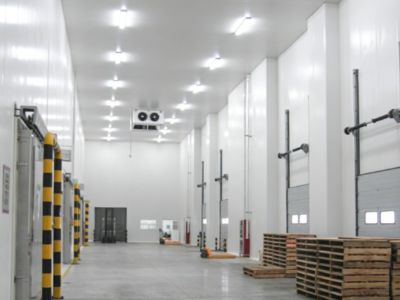
Cold storage panels are essential components in maintaining temperature-sensitive environments across various industries, such as food, pharmaceuticals, and logistics. As a leading cold storage panel manufacturer, Shanghai Zhaoxue Refrigeration Co., Ltd. specializes in producing energy-efficient cold storage rooms and freezers tailored to meet specific customer requirements. This article will address key considerations when selecting cold storage panels, ensuring that purchasing managers and industry professionals can make informed decisions that align with their operational needs.

Finding Reliable Partners

Identifying a reliable cold storage panel manufacturer is crucial for ensuring quality and performance. Begin by assessing the supplier's manufacturing capabilities, such as their production equipment and technology. Advanced machinery can indicate a commitment to precision and quality control.

It’s also essential to consider the manufacturer’s experience and expertise in your specific industry. For example, at Shanghai Zhaoxue Refrigeration Co., Ltd., we have worked extensively with food, pharmaceutical, and logistics sectors, allowing us to understand their unique requirements and challenges.

Moreover, check for customer testimonials and case studies that demonstrate the manufacturer’s ability to deliver successful solutions. A proven track record in your industry can provide confidence in their capabilities and reliability.

How to Evaluate the Quality of Cold Storage Panels for Your Needs

Evaluating the quality of cold storage panels involves examining multiple aspects, including material characteristics and production processes. Start by requesting detailed product specifications, which should outline the materials used, panel thickness, and insulation values. Analyze the certification standards the panels comply with, such as ISO or HACCP, as these often reflect adherence to industry quality norms.

Another critical step is to assess the manufacturer's quality control processes. In our experience, comprehensive quality checks during production can prevent defects and ensure that the final products meet specified criteria. Consider asking about their testing methods, such as thermal performance testing or structural integrity assessments, which can provide insight into the panel's reliability.

Finally, request samples before making a bulk purchase. Testing a sample panel in real-world conditions can help validate its performance and ensure it meets your operational standards. This real-world evaluation can uncover potential issues that may not be evident from specifications alone.

Common Installation Challenges for Cold Storage Panels and Their Solutions

Installation of cold storage panels can present challenges that, if not addressed, may lead to inefficiencies or operational failures. One common issue is ensuring correct alignment and sealing between panels. Misalignment can create gaps that compromise insulation and lead to temperature fluctuations. To mitigate this, it’s important to follow the manufacturer's installation guidelines closely and employ experienced installers familiar with cold storage systems.

Another challenge can arise from the weight and handling of the panels. Heavy panels require proper lifting equipment to avoid damage during installation. Ensuring the right tools and techniques are used can prevent costly errors and delays.

Lastly, consider the environmental factors at the installation site. Extreme temperatures or humidity can affect the adhesive used in sealing panels. Utilizing adhesives designed for specific environmental conditions is crucial for maintaining the integrity of the installation. Addressing these challenges proactively can lead to a smoother installation process and better overall performance of the cold storage system.

A Guide for Distributors and Contractors

For distributors and contractors, understanding cold storage panels’ specifications and application suitability is essential for effective client consultations. Start by familiarizing yourself with the different types of panels available, such as those designed for walk-in freezers versus those for controlled atmosphere storage. Our Controlled Atmosphere Storage panels are an excellent choice for such applications.

When preparing to quote a project, gather detailed information from your clients, including the intended application, required temperature ranges, and any spatial constraints. This information will guide you in recommending the most suitable panel specifications.

Additionally, consider the customization options that manufacturers may offer. Many suppliers can modify panel sizes, thickness, and materials based on specific project needs. Understanding these capabilities will enhance your value as a distributor or contractor and help meet client expectations.

Finally, maintain open communication with manufacturers regarding lead times and delivery schedules. Accurate timelines are vital for project planning and can significantly impact the overall success of the installation.

By applying these insights, purchasing managers, distributors, and contractors can ensure they select the right cold storage panels and partners for their operations, ultimately leading to enhanced efficiency and reliability in their cold storage solutions.

What to Consider When Choosing Cold Storage Panels for Your Business

When selecting cold storage panels, several critical factors must be weighed to ensure they meet your operational requirements. First, consider the insulation material. Polyurethane is commonly used due to its superior thermal performance, but buyers should also assess the required R-value, which indicates the panel's resistance to heat transfer. Higher R-values correlate to better insulation, which can result in energy savings and improved temperature control.

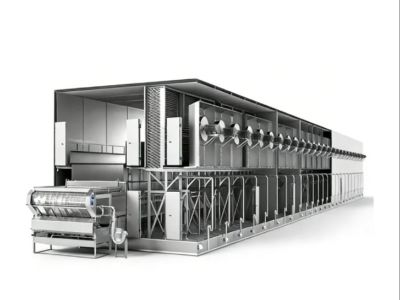
Next, evaluate the panel thickness, which typically ranges from 50mm to 150mm, depending on the application and temperature requirements. Thicker panels may be necessary for environments requiring lower temperatures, such as deep freezing applications. For such applications, you might consider our Impingement Freezer solutions. Additionally, ensure that the panel's dimensions fit your facility’s layout and that they can be easily integrated with existing structures.

Lastly, look into the panel's surface finish and durability. Stainless steel or food-grade finishes are advantageous in food storage applications, while corrosion-resistant coatings can enhance longevity in humid environments. Understanding these specifications will help ensure the selected cold storage panels can handle the demands of your specific use case.

Frequently Asked Questions

What cold storage panels do you manufacture?

We produce insulated cold storage panels for walk-in rooms, freezers and blast chillers, available in various thicknesses and finishes to meet food, pharma, and logistics needs.
Yes. We design custom panel layouts and integrate automated systems to match your floor plans, capacity, and regulatory requirements.
Panels use high-performance insulation with tight joints and optional thermal breaks to minimize heat transfer and reduce energy consumption.
We provide factory prefabricated panels, installation guidance or turnkey service, plus commissioning, testing, and after-sales technical support.
Yes. Panels are built to meet food and pharmaceutical hygiene, temperature control, and safety standards; specific certifications can be provided on request.

Our Blog Posts

what is a chiller used for

03

Nov

what is a chiller used for

Industrial chillers are critical components in various sectors, providing precise temperature control for a range of applications. Understanding what a energy-efficient chillers is used for can greatly influence purchasing decisions for business...
View More
how to set temperature in chiller

03

Nov

how to set temperature in chiller

Setting the correct temperature in a chiller is crucial for maintaining the quality and safety of sensitive products, especially in industries like food, pharmaceuticals, and logistics. This article will address key considerations for B2B buyers, inc...
View More
what does evaporator coil do

03

Nov

what does evaporator coil do

Understanding what an evaporator coil does is essential for anyone involved in the purchasing or maintenance of refrigeration systems. These coils play a crucial role in cooling processes by absorbing heat from the environment, making them indispensa...
View More
what are the advantages of food preservation

03

Nov

what are the advantages of food preservation

Food preservation is a critical process that extends the shelf life of perishable goods such as fruits, vegetables, meats, and dairy products. Understanding the advantages of food preservation can greatly benefit businesses in the food industry, incl...
View More

Leave a Message

Email
Name
Company Name
Message
0/1000

Related product categories