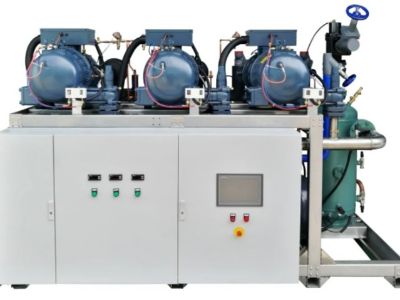
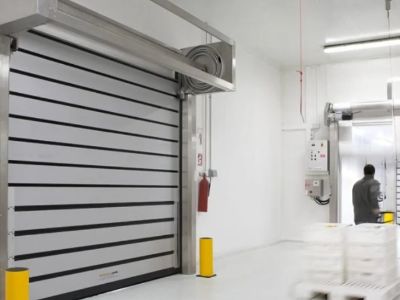
Choosing the Right Cold Room Evaporator

Let's Discuss Your Needs

Every great collaboration starts with a friendly chat.
We're here to help you figure things out and find the best way forward.
Company Name
Name
Email
WhatsApp
Mobile

cold room evaporator

Choosing the right cold room evaporator is crucial for industries that require precise temperature control for perishable goods. These evaporators play a vital role in the efficient operation of cold storage rooms, ensuring that products remain within safe temperature ranges. Buyers typically seek to understand performance specifications, energy efficiency, installation requirements, and the range of applications for these systems. This article will guide you through the essential factors to consider when selecting a cold room evaporator, helping you make an informed purchasing decision.

Key Specifications to Evaluate in Cold Room Evaporators

When evaluating cold room evaporators, several key specifications should be prioritized:

Cooling Capacity: This specification indicates the amount of heat the evaporator can remove from the air. It should be selected based on the dimensions of the cold room and the expected heat load.

Construction Materials: The materials used in the construction of the evaporator affect its durability and resistance to corrosion. Stainless steel is often favored for its strength and resistance to harsh conditions.

Fan Type: The type of fan used in the evaporator can impact the distribution of cold air. Axial fans are typically quieter and more energy-efficient, while centrifugal fans may provide better airflow for larger spaces.

Defrost System: Consider whether the evaporator includes a manual or automatic defrost system. Automatic systems can save time and reduce maintenance.

Energy Efficiency Rating: Look for models that comply with energy efficiency standards. This can significantly reduce operational costs over time.

Noise Levels: If the evaporator will be installed in a location where noise is a concern, checking the decibel level is important for maintaining a comfortable environment.
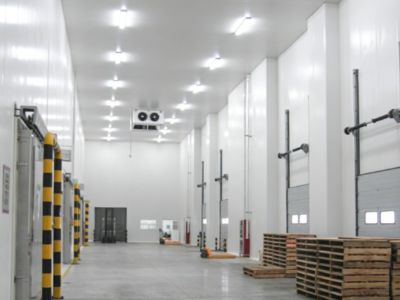
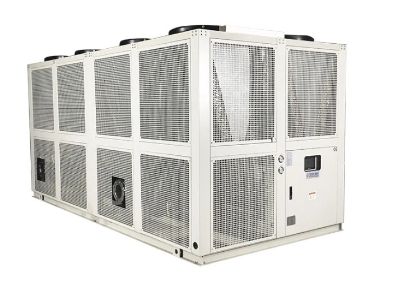
Cost Factors to Consider When Purchasing Cold Room Evaporators

The total cost of a cold room evaporator extends beyond the initial purchase price. Here are some key cost factors to consider:

Initial Purchase Price: The upfront cost varies based on the evaporator's capacity, features, and materials. Custom-engineered solutions may incur higher initial costs but often result in better long-term efficiencies.

Installation Costs: Installation can be a significant portion of the total expenditure. Ensure that you obtain quotes from qualified contractors familiar with refrigeration systems to avoid unexpected costs.

Operational Costs: Evaluate the expected energy consumption based on the evaporator's efficiency ratings. Over time, a more energy-efficient model will lead to substantial savings.

Maintenance Expenses: Consider the likelihood of maintenance needs and the associated costs. Regular maintenance is essential to ensure optimal performance and longevity of the evaporator.

Replacement Parts: Investigate the availability and cost of replacement parts. Models from reputable manufacturers typically offer better support for spare parts.

Installation Guidance for Efficient Cold Room Evaporator Use

Proper installation of your cold room evaporator is critical for optimal performance. Here are some guidelines to ensure efficient use:

Site Preparation: Ensure the installation site is clean, dry, and free from obstructions. Adequate space around the evaporator for airflow and maintenance access is necessary.

Correct Sizing: The evaporator should be sized correctly for the cold room volume. Oversized units can lead to short cycling, while undersized units may struggle to maintain desired temperatures.

Insulation: Proper insulation around the evaporator and throughout the cold room is vital to prevent heat infiltration and ensure efficient cooling.

Positioning: Position the evaporator in a location that allows for optimal air circulation. Avoid placing it near heat sources or obstructing it with stored goods.

Professional Installation: Employ qualified technicians for installation to ensure that all components are correctly configured and compliant with local regulations.

System Testing: After installation, thoroughly test the system under actual operating conditions to confirm that it meets performance expectations.

Applications of Cold Room Evaporators Across Various Industries

Cold room evaporators play a pivotal role in numerous industries, including:

Food Processing and Storage: In this sector, maintaining precise temperatures is crucial for preserving food quality. Cold room evaporators help prevent spoilage and extend shelf life.

Pharmaceuticals: The pharmaceutical industry relies on evaporators to store temperature-sensitive medications and vaccines. Strict temperature controls ensure the efficacy of these products.

Logistics and Distribution: Cold chain logistics depend on reliable refrigeration systems. Cold room evaporators are essential in warehouses and distribution centers to maintain product integrity during storage and transport.

Floral Industry: For flower wholesalers and retailers, maintaining a controlled environment is vital for prolonging the freshness of cut flowers. Cold room evaporators help achieve the necessary conditions.

Chemical Manufacturing: Certain chemicals require specific temperature ranges during storage and processing. Cold room evaporators ensure these conditions are met, reducing the risk of degradation or hazardous reactions.

Understanding the specifications, costs, installation requirements, and applications of cold room evaporators is crucial for making informed purchasing decisions. Consider working with experienced manufacturers like Shanghai Zhaoxue Refrigeration Co., Ltd. to navigate the complexities of selecting and implementing the right evaporator for your needs.

How to Choose the Right Cold Room Evaporator for Your Needs

Selecting the appropriate cold room evaporator begins with understanding your specific application requirements. Factors such as the size of your cold room, the type of goods being stored, and the desired temperature range are critical in determining the right evaporator model. For instance, a pharmaceutical company may require stricter temperature controls compared to a food storage facility.

Consider the cooling capacity of the evaporator, measured in BTUs or kilowatts, which should align with the volume of the cold storage room and the heat load from stored products. It’s also essential to evaluate the evaporator's energy efficiency, often indicated by its EER (Energy Efficiency Ratio). A higher EER translates to lower operational costs, making it a significant factor for long-term savings.

Additionally, assess the evaporator's compatibility with your existing refrigeration system. Custom-engineered solutions may be necessary if your system has unique specifications or operational constraints. Working closely with a manufacturer, such as Shanghai Zhaoxue Refrigeration Co., Ltd., can ensure you find a model tailored to your specific needs.

Frequently Asked Questions

What is a cold room evaporator used for?

A cold room evaporator removes heat and circulates cold air to maintain set temperatures in cold storage, freezers, and processing rooms for food, pharma, and logistics applications.
We offer evaporators sized and engineered to meet specific cooling loads from small walk-in units to large industrial cold storage, customized based on temperature range and product load.
Yes. We design custom-engineered evaporators and automation to match required temperatures, airflow, defrost method, and integration with your refrigeration system.
Available defrost methods include electric, hot gas, and timed automatic defrost, selected based on product sensitivity, humidity and operating schedule to minimize downtime.
We provide engineering support, installation guidance, startup commissioning, and maintenance recommendations. Spare parts and remote troubleshooting options are available globally.

Our Blog Posts

what is a chiller used for

03

Nov

what is a chiller used for

Industrial chillers are critical components in various sectors, providing precise temperature control for a range of applications. Understanding what a energy-efficient chillers is used for can greatly influence purchasing decisions for business...
View More
what is the standard temperature of chiller

03

Nov

what is the standard temperature of chiller

Understanding the standard temperature of chillers is crucial for multiple industries, including food, pharmaceuticals, and logistics. This article dives into the specifics of what is the standard temperature of a energy-efficient chillers, addressin...
View More
how to clean condensing unit

03

Nov

how to clean condensing unit

Cleaning a condensing unit is essential for maintaining the efficiency and longevity of refrigeration systems, particularly in industries like food processing, pharmaceuticals, and logistics. Proper cleaning helps prevent malfunctions, reduces energy...
View More
what are the methods of food preservation

03

Nov

what are the methods of food preservation

Food preservation is a critical process for maintaining the quality and safety of perishable items, especially in the food industry. Understanding what are the methods of food preservation can help businesses minimize waste, ensure product integrity,...
View More

Leave a Message

Email
Name
Company Name
Message
0/1000

Related product categories