Essential Guide to Room Chillers for B2B Buyers

Let's Discuss Your Needs

Every great collaboration starts with a friendly chat.
We're here to help you figure things out and find the best way forward.
Company Name
Name
Email
WhatsApp
Mobile

room chiller

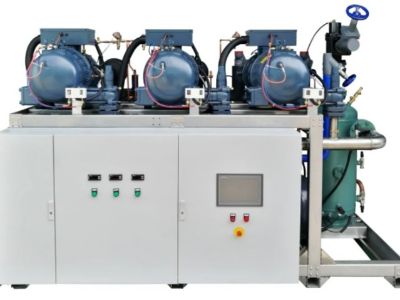
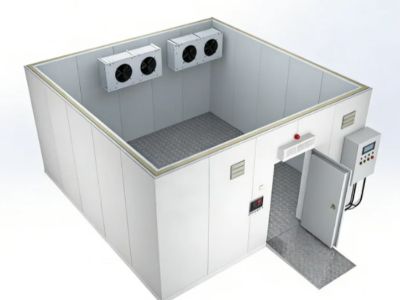
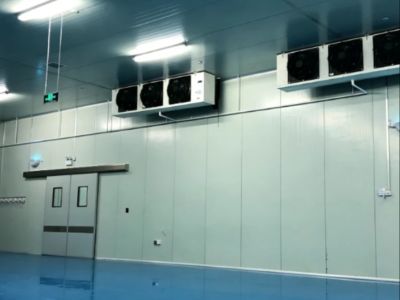
Room chillers are essential systems in various industries, providing precise temperature control for sensitive products such as food, pharmaceuticals, and logistics. For B2B buyers, understanding the intricacies of room chillers is crucial, as they often face challenges in sourcing reliable suppliers, evaluating technical specifications, and ensuring efficient installation and operation. This article will guide you through the essential aspects of room chillers, helping you make informed purchasing decisions while addressing common concerns faced by purchasing managers and engineers.

Key Specifications to Consider for Room Chillers

When evaluating room chillers, several key specifications should be carefully considered:

Cooling Capacity: Measured in BTUs or kilowatts, this determines the chiller's ability to maintain desired temperatures. Ensure the capacity aligns with your application’s cooling load requirements.

Refrigerant Type: Different refrigerants have varying environmental impacts and efficiency levels. Verify that the chosen refrigerant complies with local regulations and is suitable for your application to avoid future compliance issues.

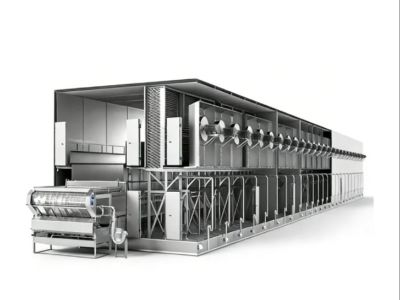
Energy Efficiency: Look for chillers with high Energy Efficiency Ratios (EER) or Seasonal Energy Efficiency Ratios (SEER). Energy-efficient models can lead to significant cost savings in operation. Models like the Tunnel Freezer are examples of efficient solutions that can reduce overall energy consumption.

Temperature Range: Confirm that the chiller can handle the specific temperature range required for your products. This is especially important in industries like pharmaceuticals, where precise temperature control is critical.

Construction Materials: The materials used in the chiller’s construction can affect durability and performance. Evaluate options based on your operational environment, such as resistance to corrosion, moisture, and temperature fluctuations.

Understanding these specifications will help you choose a room chiller that meets both your operational needs and compliance requirements.
Cost Factors in Purchasing Room Chillers in Bulk

When purchasing room chillers in bulk, various cost factors should be taken into account:

Base Price: The initial cost of the chillers is often the first consideration. However, this should not be the only factor; consider the long-term operational costs.

Customization Costs: Custom-engineered systems may incur additional costs. Ensure you have a clear understanding of what customization you need and how it affects the overall price.

Installation Fees: Factor in installation costs, which can vary based on the complexity of the system and the location. Some suppliers may offer installation as part of the package, while others may charge separately.

Operational Costs: Assess the energy consumption of the chillers, as this will impact your total cost over time. Energy-efficient models may have a higher upfront cost but can lead to savings in utility bills.

Maintenance and Support: Consider ongoing maintenance costs and the level of support offered by the supplier. A strong warranty and reliable customer service can save money and headaches in the long run.

By understanding these cost factors, you can budget more effectively and select chillers that not only fit your initial price range but also provide value over time.

Installation Guidance for Efficient Room Chillers

Proper installation of room chillers is crucial for maximizing their efficiency and lifespan. Here are key points for successful installation:

Site Preparation: Ensure the installation site meets all requirements, including adequate space for airflow, temperature control, and maintenance access. The location should be free from direct sunlight and away from heat sources.

System Design: Collaborate with your supplier to ensure the room chiller design aligns with your specific operational needs. This includes considering factors such as insulation, airflow, and layout.

Professional Installation: Engage certified technicians for installation. Their expertise will help avoid common pitfalls such as improper sealing or inadequate refrigerant charging, which can lead to operational inefficiencies.

Testing and Calibration: After installation, conduct thorough testing to ensure the system operates as intended. Calibration may be necessary to achieve optimal performance, particularly in specialized applications.

Training: Ensure staff are trained in operating the chillers effectively. Proper training can enhance operational efficiency and reduce the likelihood of user error.

By following these guidelines, you can ensure that your room chillers are installed correctly, leading to better performance and longevity.

Common Problems with Room Chillers and Effective Solutions

Room chillers, like any complex system, can encounter issues that may affect their performance. Here are some common problems and proposed solutions:

Insufficient Cooling: This can occur due to improper sizing, refrigerant leaks, or blockages in airflow. Regular maintenance checks can help identify leaks early, and a qualified technician can recommend appropriate solutions, such as resizing or refrigerant refilling.

High Energy Consumption: If a chiller consumes more energy than expected, it may indicate inefficiencies in the system or dirt buildup in the coils. Implementing a regular cleaning schedule and ensuring the system is properly maintained can mitigate this problem.

Noise Issues: Excessive noise may arise from loose parts or worn-out components. Regular inspections can help identify and resolve these issues before they escalate into more significant problems.

Temperature Fluctuations: Inconsistent temperatures can be a sign of thermostat malfunction or airflow issues. Regularly calibrating the thermostat and ensuring proper airflow can help maintain stable temperatures.

Controller Malfunctions: Digital controllers can fail due to software issues or component failures. Regular updates and having a reliable support system can help manage these malfunctions effectively.

By being aware of these common problems and their solutions, you can maintain the efficiency and reliability of your room chillers, ensuring they meet your operational needs effectively.

Sourcing Reliable Suppliers

Finding a trustworthy supplier for room chillers is vital for ensuring quality and reliability. Start by evaluating manufacturers with a proven track record in the industry. Look for companies that specialize in energy-efficient systems, like Shanghai Zhaoxue Refrigeration Co., Ltd., which focuses on custom-engineered solutions for food, pharma, and logistics sectors. Verify their manufacturing capabilities, including production equipment and quality control processes, to ensure they can meet your specific requirements. Suppliers offering options like Self-stacking Spiral Freezers can be particularly advantageous for optimizing space and efficiency.

Consider suppliers that offer customization options, as this can be crucial for specific applications. Request references or case studies from previous clients to gauge their reliability and service quality. Additionally, check for certifications that demonstrate compliance with industry standards, ensuring that the chillers you procure meet necessary safety and performance benchmarks.

Frequently Asked Questions

What is a room chiller and how does it work?

A room chiller cools and dehumidifies enclosed spaces using a refrigerated loop. Our systems use efficient compressors, evaporators, and controls to maintain set temperatures for storage or processing.
Yes. We custom-engineer chillers to your capacity, footprint, temperature range, and automation needs for food, pharma, or logistics applications.
Our chillers handle a wide range from mild cooling to near-freezing conditions; exact ranges depend on the model and customization requirements.
We design chillers for optimized energy use via high-efficiency compressors, insulation, and automated controls to reduce operating costs and emissions.
We offer installation, commissioning, preventive maintenance plans, spare parts, and remote or on-site technical support to ensure reliable long-term operation.

Our Blog Posts

what is the purpose of a cold room

03

Nov

what is the purpose of a cold room

The purpose of a cold room is essential for various industries, primarily focusing on the preservation and storage of temperature-sensitive products. This article delves into the role of cold rooms, specifically in the food industry, and provides ins...
View More
how to set cold room temperature

03

Nov

how to set cold room temperature

Setting the right cold room temperature is crucial for industries that rely on precise temperature control to maintain the quality and safety of their products. Whether you are in the food, pharmaceutical, or logistics sector, understanding how to se...
View More
how to clean condensing unit

03

Nov

how to clean condensing unit

Cleaning a condensing unit is essential for maintaining the efficiency and longevity of refrigeration systems, particularly in industries like food processing, pharmaceuticals, and logistics. Proper cleaning helps prevent malfunctions, reduces energy...
View More
what are the advantages of food preservation

03

Nov

what are the advantages of food preservation

Food preservation is a critical process that extends the shelf life of perishable goods such as fruits, vegetables, meats, and dairy products. Understanding the advantages of food preservation can greatly benefit businesses in the food industry, incl...
View More

Leave a Message

Email
Name
Company Name
Message
0/1000

Related product categories