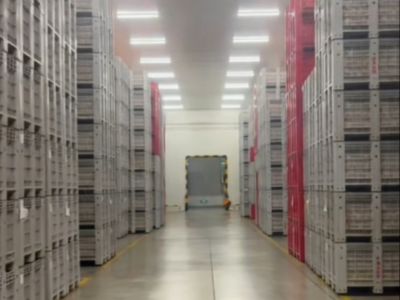
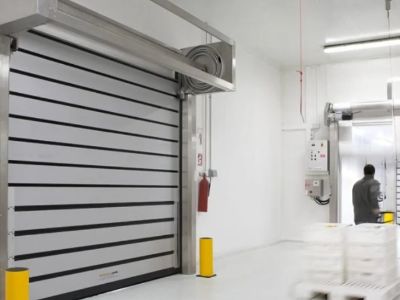
Ripening Room: Key Specifications and Sourcing Guide

Let's Discuss Your Needs

Every great collaboration starts with a friendly chat.
We're here to help you figure things out and find the best way forward.
Company Name
Name
Email
WhatsApp
Mobile

ripening room

Choosing the right ripening room is essential for businesses involved in the storage and distribution of perishable goods, particularly fruits and vegetables. A ripening room provides a controlled environment that optimizes the ripening process, ensuring products reach their peak quality before reaching consumers. This article addresses common buyer concerns, such as specifications, energy efficiency, supplier reliability, cost considerations, and installation challenges, to help you make informed decisions.

Key Specifications for Energy-Efficient Ripening Rooms Explained

Energy efficiency in ripening rooms can be attributed to several key specifications that impact performance and operational costs.

Insulation: The thickness and material of insulation panels are crucial. High-quality insulation minimizes heat transfer, maintaining a consistent internal temperature while reducing energy consumption. Look for materials with a high R-value.

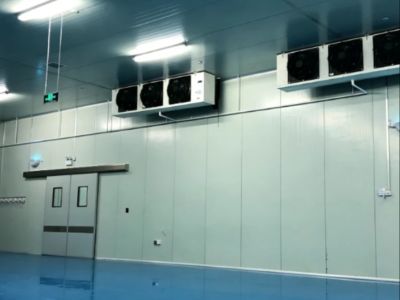
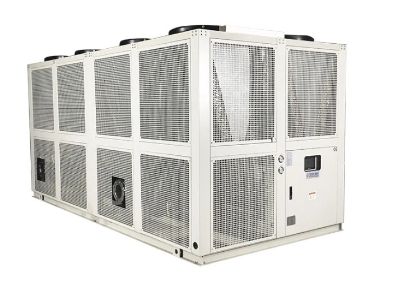
Refrigeration System: The type and efficiency of the refrigeration system significantly influence energy usage. Opt for systems with variable speed compressors, which adjust output based on the load, enhancing efficiency. Consider utilizing REFRIGERATION UNITS for optimal performance.

Humidity Control: Maintaining optimal humidity levels is essential for fruit quality. Look for ripening rooms equipped with advanced humidity control systems that can adjust moisture levels automatically.

Airflow Management: Proper airflow ensures even temperature distribution and minimizes hot or cold spots within the room. Efficient airflow systems reduce energy costs and improve product quality.

Monitoring Systems: Modern ripening rooms often come with integrated monitoring systems that provide real-time data on temperature, humidity, and ethylene levels. These systems help in maintaining optimal conditions while identifying potential issues early.

By focusing on these specifications, you can enhance the energy efficiency of your ripening room, leading to lower operational costs and improved product quality.
Where to Source Reliable Suppliers for Ripening Room Systems

Finding reliable suppliers for ripening room systems can be challenging. Start by researching manufacturers with a solid reputation and experience in the cold storage industry. Look for companies that specialize in energy-efficient solutions, as they are likely to have a better understanding of the latest technologies and innovations.

Industry trade shows and exhibitions provide excellent opportunities to meet suppliers face-to-face, allowing you to assess their products and services directly. Additionally, online marketplaces and industry directories can help you compare different manufacturers and read customer reviews.

When evaluating suppliers, consider their manufacturing capabilities, customization options, and after-sales support. It's essential to choose a supplier who can provide comprehensive technical support and maintenance services to ensure the longevity and efficiency of your ripening room.

Cost Factors to Consider for Bulk Orders of Ripening Rooms

Pricing for ripening rooms can vary significantly based on several factors. When placing bulk orders, it’s essential to understand the cost components involved:

Design and Customization: Custom-engineered ripening rooms tailored to your specific needs may incur higher initial costs. However, the long-term benefits of optimized performance and energy savings can justify this investment.

Material Quality: The materials used for construction, including insulation and refrigeration components, affect pricing. High-quality materials may have a higher upfront cost but contribute to lower operating expenses over time.

Volume Discounts: Many manufacturers offer discounts for bulk purchases. Discuss potential savings with your chosen supplier, as larger orders can lead to substantial cost reductions.

Installation Costs: Factor in installation expenses, which can vary based on the complexity of the setup and the location of the installation. Ensure that your budget accounts for both installation and any associated training for staff.

Maintenance and Operational Costs: Consider the long-term operational costs, including energy consumption and maintenance needs. Energy-efficient models may have a higher initial cost but can lead to significant savings over time.

Understanding these cost factors can help you make an informed decision when ordering ripening rooms in bulk.

Common Problems in Ripening Room Installation and Their Solutions

Installing a ripening room involves several challenges that can affect its performance and efficiency. Here are some common issues and their solutions:

Temperature Fluctuations: Inconsistent temperatures during installation can lead to poor ripening outcomes. To mitigate this, ensure that the installation area is free from external heat sources and that insulation is properly installed to maintain stable internal temperatures.

Poor Airflow: Insufficient airflow can create temperature imbalances. To address this, design the room layout to facilitate optimal air circulation. Consider using strategically placed fans to enhance airflow throughout the space.

Humidity Control Issues: If the humidity control system is not calibrated correctly, it can lead to excessive moisture or dry conditions. Regularly check and adjust humidity settings according to the specific needs of the produce being ripened.

Ethylene Gas Management: Inadequate ethylene management can result in uneven ripening. Install ethylene scrubbers and monitor ethylene levels regularly to ensure that they remain within the optimal range for the fruits being processed.

Technical Integration: Integrating advanced monitoring systems can be complex. Work closely with your supplier to ensure that all components are compatible and that staff receive adequate training on system operation.

By anticipating these common installation challenges and implementing proactive solutions, you can ensure that your ripening room operates efficiently from day one. By carefully considering these factors and utilizing the information provided, you can navigate the complexities of selecting and installing a ripening room that meets your business's needs effectively.

What to Consider When Choosing a Ripening Room for Your Business

When selecting a ripening room, several key factors must be evaluated to ensure it meets your specific requirements. First, consider the type of produce you will be ripening. Different fruits and vegetables have varying ethylene production rates and temperature preferences, which can significantly affect the ripening process.

Another important aspect is the capacity of the ripening room. Determine the volume of products you typically handle and select a size that accommodates your needs while allowing for future growth. Additionally, examine the insulation quality and construction materials, as these will impact energy efficiency and temperature stability.

Automation features are also a vital consideration. Advanced systems can include humidity control, ethylene gas management, and temperature monitoring, which optimize the ripening conditions and reduce labor costs. Finally, evaluate the energy consumption of the ripening room. Energy-efficient models can lead to significant cost savings, making them an attractive option for long-term operations. For instance, investing in Cold Room technology could enhance overall efficiency.

Frequently Asked Questions

What is a ripening room used for?

A ripening room controls temperature, humidity and airflow to uniformly ripen fruits like bananas and tomatoes, ensuring optimal texture, color and flavor before distribution.
Yes. We design custom-engineered ripening rooms to fit your available space, capacity and workflow, including modular panels and adjustable shelving.
We use automated HVAC and refrigeration systems with precise sensors and controls to regulate temperature and humidity profiles for consistent ripening.
Yes. Our ripening rooms use energy-efficient refrigeration components and automation for timed cycles, reducing labor and energy costs.
Yes. We provide full installation, commissioning, operator training and global after-sales support, including maintenance and spare parts.

Our Blog Posts

how to set cold room temperature

03

Nov

how to set cold room temperature

Setting the right cold room temperature is crucial for industries that rely on precise temperature control to maintain the quality and safety of their products. Whether you are in the food, pharmaceutical, or logistics sector, understanding how to se...
View More
what is the standard temperature of chiller

03

Nov

what is the standard temperature of chiller

Understanding the standard temperature of chillers is crucial for multiple industries, including food, pharmaceuticals, and logistics. This article dives into the specifics of what is the standard temperature of a energy-efficient chillers, addressin...
View More
controlled atmosphere storage of fruits and vegetables

03

Nov

controlled atmosphere storage of fruits and vegetables

Controlled atmosphere storage of fruits and vegetables is a critical component in preserving the quality and extending the shelf life of produce. These specialized storage solutions regulate temperature, humidity, and gas composition to slow down rip...
View More
what are the methods of food preservation

03

Nov

what are the methods of food preservation

Food preservation is a critical process for maintaining the quality and safety of perishable items, especially in the food industry. Understanding what are the methods of food preservation can help businesses minimize waste, ensure product integrity,...
View More

Leave a Message

Email
Name
Company Name
Message
0/1000

Related product categories