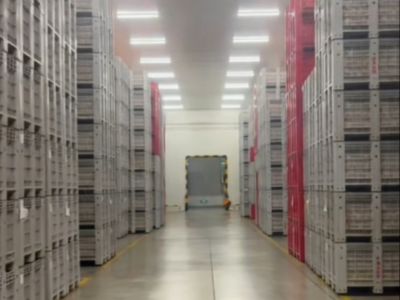
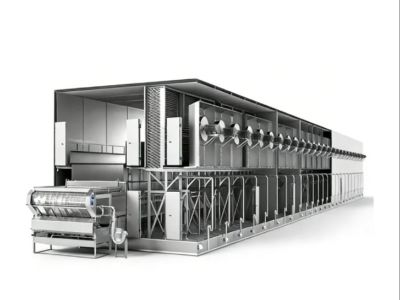
Essential Guide to IQF Equipment Specifications

Let's Discuss Your Needs

Every great collaboration starts with a friendly chat.
We're here to help you figure things out and find the best way forward.
Company Name
Name
Email
WhatsApp
Mobile

iqf equipment

When sourcing IQF equipment, understanding the nuances of the product is vital for making informed purchasing decisions. IQF, or Individually Quick Frozen equipment, is essential for industries such as food processing, pharmaceuticals, and logistics, where maintaining the quality and integrity of products during freezing is crucial. Buyers typically have concerns regarding performance specifications, energy efficiency, and reliability. This article will explore key specifications, common challenges, diverse applications, supplier options for distributors, and equipment comparisons relevant to IQF equipment, providing insights to assist in the procurement process.

Common Problems with IQF Equipment and Effective Solutions

IQF equipment can present several challenges that may affect performance and product quality. One common issue is uneven freezing, which can lead to product degradation. This problem often stems from inadequate airflow or improper loading of the freezing chamber. To mitigate this, ensure that the equipment is designed for optimal airflow distribution and that operators are trained in proper loading techniques.

Another frequent concern is the buildup of ice or frost within the freezing chamber. This can not only reduce efficiency but also affect product quality. Regular maintenance, including defrost cycles and cleaning schedules, is essential to prevent this issue. Buyers should verify the manufacturer's recommendations for maintenance and ensure that they have the necessary resources for ongoing upkeep. Utilizing a reliable Blast Freezer can also help maintain optimal conditions.

Additionally, compatibility with other equipment in the production line is an essential consideration. For example, if the IQF equipment does not integrate smoothly with packaging systems, it can lead to bottlenecks in the production process. Buyers should assess the entire production workflow and consult with the supplier to ensure compatibility with existing systems.
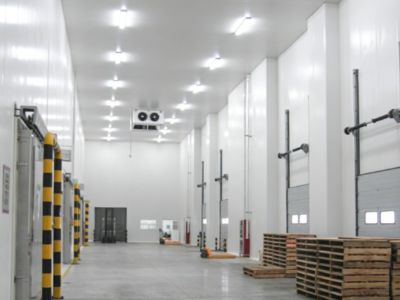
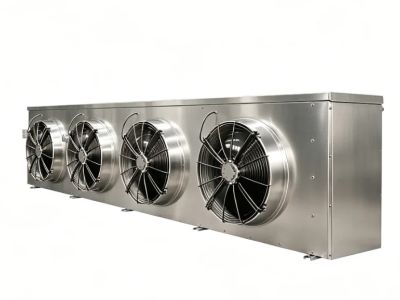
Exploring Various Applications of IQF Equipment in Industries

IQF equipment is versatile and finds application across multiple industries. In the food sector, it is primarily used for freezing fruits, vegetables, seafood, and prepared meals. The rapid freezing process preserves the texture, flavor, and nutritional value of these products, making it ideal for manufacturers seeking to maintain high quality.

In the pharmaceutical industry, IQF technology is crucial for the preservation of sensitive biological materials. Vaccines, enzymes, and other biopharmaceuticals require precise temperature control during freezing to maintain their efficacy. This necessitates specialized IQF equipment that can accommodate the stringent requirements for temperature stability and monitoring.

Logistics and distribution also benefit from IQF technology. As supply chains become more globalized, the demand for efficient freezing solutions that can maintain product integrity during transport has increased. Buyers in this sector should consider not only the freezing capabilities but also how the equipment can facilitate seamless logistics, such as compact design for easy integration into transport vehicles.

Where to Find Reliable Suppliers of IQF Equipment for Distributors

Finding a trusted supplier for IQF equipment is crucial for distributors. Start by researching manufacturers known for their expertise in refrigeration technologies. Look for companies with a proven track record in the industry, such as Shanghai Zhaoxue Refrigeration Co., Ltd., which specializes in energy-efficient cold storage solutions and has experience in global markets.

Trade shows and industry conferences are excellent opportunities to connect with potential suppliers and see the equipment in action. Engaging directly with manufacturers allows for a better understanding of their capabilities, customization options, and after-sales support.

Additionally, consider leveraging online platforms that specialize in industrial equipment procurement. These platforms often provide user reviews, detailed product specifications, and comparison tools that can help distributors make informed decisions. It’s also advisable to request references from other clients to gauge the supplier's reliability and service quality.

Comparing Different IQF Equipment Options for Contractors

For contractors, comparing various IQF equipment options is essential for ensuring that the chosen solution meets project specifications and budget constraints. Begin by evaluating models based on capacity and performance metrics, making sure to align them with the specific needs of the application.

Next, consider the flexibility of the equipment. Some models offer modular designs that can be easily scaled up or adjusted as production needs change. This adaptability can be a significant advantage for contractors working on projects with variable demands.

Cost considerations also play a pivotal role in comparisons. While the initial purchase price is important, it’s equally vital to assess operating costs, including energy consumption and maintenance expenses. Contractors should seek equipment that balances upfront costs with long-term savings and reliability.

Finally, review the warranty and service agreements offered by manufacturers. A robust support structure can provide peace of mind, ensuring that any issues can be quickly resolved without significant downtime.

Understanding the specifications, challenges, applications, supplier options, and comparative analysis of IQF equipment is essential for making informed purchasing decisions. By focusing on these critical areas, buyers can optimize their procurement strategies and ensure the successful implementation of IQF technology in their operations.

Key Specifications to Consider When Sourcing IQF Equipmen

When selecting IQF equipment, several key specifications must be evaluated to ensure optimal performance. First, the freezing capacity is critical; it should match the production needs of your facility. This capacity is typically measured in kilograms per hour and can vary widely based on the specific model and manufacturer.

Another essential specification is the operating temperature range. The equipment must be capable of reaching temperatures low enough to ensure rapid freezing while maintaining energy efficiency. Buyers should also consider the type of refrigerants used, as these can impact both performance and environmental compliance.

The design and construction of the equipment are equally important. Materials should be durable, corrosion-resistant, and suitable for the specific applications, such as food or pharmaceuticals. Stainless steel is commonly used due to its hygienic properties and resistance to corrosion. Additionally, automation features such as programmable controls and monitoring systems can enhance operational efficiency and reduce labor costs. For instance, integrating a Self-stacking Spiral Freezer can optimize the freezing process.

Finally, it is crucial to consider the energy consumption of the IQF equipment. Energy-efficient models may have a higher upfront cost but can lead to significant savings over time. Buyers should inquire about the equipment's energy ratings and any available certifications that demonstrate energy efficiency.

Frequently Asked Questions

What is the IQF equipment used for?

IQF equipment rapidly freezes individual food items to preserve quality, texture, and flavor for food processing, storage, and distribution.
Our IQF systems serve food manufacturers, cold-chain logistics, and pharmaceutical clients needing rapid freezing and controlled processing.
Yes. We provide custom-engineered IQF solutions tailored to capacity, footprint, automation level, and integration with existing lines.
Our designs focus on energy efficiency through optimized refrigeration, insulation, and automated controls to reduce operating costs and emissions.
We offer installation, commissioning, training, preventive maintenance plans, and global spare parts support to ensure reliable operation.

Our Blog Posts

what is a chiller used for

03

Nov

what is a chiller used for

Industrial chillers are critical components in various sectors, providing precise temperature control for a range of applications. Understanding what a energy-efficient chillers is used for can greatly influence purchasing decisions for business...
View More
what does evaporator coil do

03

Nov

what does evaporator coil do

Understanding what an evaporator coil does is essential for anyone involved in the purchasing or maintenance of refrigeration systems. These coils play a crucial role in cooling processes by absorbing heat from the environment, making them indispensa...
View More
controlled atmosphere storage of fruits and vegetables

03

Nov

controlled atmosphere storage of fruits and vegetables

Controlled atmosphere storage of fruits and vegetables is a critical component in preserving the quality and extending the shelf life of produce. These specialized storage solutions regulate temperature, humidity, and gas composition to slow down rip...
View More
what are the advantages of food preservation

03

Nov

what are the advantages of food preservation

Food preservation is a critical process that extends the shelf life of perishable goods such as fruits, vegetables, meats, and dairy products. Understanding the advantages of food preservation can greatly benefit businesses in the food industry, incl...
View More

Leave a Message

Email
Name
Company Name
Message
0/1000

Related product categories