Key Considerations for Container Cold Storage Solutions

Let's Discuss Your Needs

Every great collaboration starts with a friendly chat.
We're here to help you figure things out and find the best way forward.
Company Name
Name
Email
WhatsApp
Mobile

container cold storage

Container cold storage solutions play a crucial role in maintaining the integrity of temperature-sensitive products across various industries, including food, pharmaceuticals, and logistics. As a B2B buyer, understanding the specific requirements, quality standards, and cost factors associated with these storage solutions is essential to ensure the efficient and safe storage of your products. This article aims to provide insights into key considerations when selecting container cold storage, evaluating their quality, addressing common issues, understanding cost factors, and exploring their applications in food and pharma industries.

How to Evaluate the Quality of Container Cold Storage Units

Evaluating the quality of container cold storage units involves examining several key specifications and features. Start by reviewing the unit's construction materials; high-grade steel or aluminum with appropriate coatings can enhance durability and resistance to corrosion.

Next, assess the insulation thickness and type. A thicker insulation layer generally indicates better thermal performance, but it’s essential to ensure that it meets the specific requirements of your application. The insulation should also be compliant with relevant regulations, especially in the food and pharma industries.

Quality control processes are another critical aspect. Inquire about the manufacturer’s quality assurance measures, such as testing for temperature consistency and energy efficiency. Certifications or compliance with industry standards, such as ISO 9001, can also serve as indicators of a manufacturer’s commitment to producing high-quality products.

It’s advisable to request product samples or case studies from previous installations to gain insight into real-world performance and customer satisfaction. This firsthand information can be invaluable in making an informed purchasing decision.
Common Problems in Container Cold Storage and Effective Solutions

Common issues in container cold storage can affect product integrity and operational efficiency. One prevalent problem is temperature fluctuation, which can result from inadequate insulation or faulty refrigeration units. To address this, ensure that your cold storage solution is equipped with reliable temperature monitoring systems that can provide alerts for deviations.

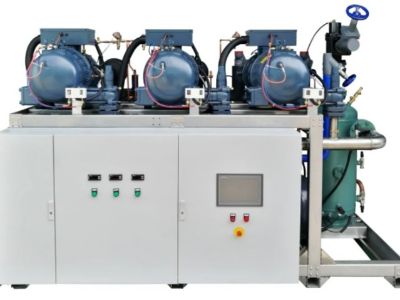
Another issue is condensation inside the unit, which can lead to product spoilage. Opt for containers with moisture control systems or dehumidifiers to mitigate this risk. Regular maintenance checks should also be scheduled to ensure that insulation and sealing are intact to prevent moisture ingress. Additionally, consider incorporating advanced refrigeration units to enhance the performance of your cold storage.

Mechanical failures, such as compressor breakdowns, can disrupt operations. Therefore, choose a supplier that offers robust after-sales support and warranties. Establishing a maintenance schedule and training staff on troubleshooting can also minimize downtime.

Cost Factors to Consider for Container Cold Storage Purchases

When budgeting for container cold storage solutions, several cost factors should be considered beyond the initial purchase price. Energy consumption is a significant ongoing expense, so selecting energy-efficient models can lead to significant savings over time. Look for units with high Energy Star ratings or other energy efficiency certifications.

Installation costs can vary based on the complexity of the system and any additional features such as automation. It’s essential to factor in these costs when planning your budget. Additionally, consider the long-term operational costs, including maintenance and potential repairs.

Customization options may also impact cost. While tailored solutions can better meet specific needs, they can also come at a premium. Determine your must-have features and weigh them against your budget to find a balance that meets your operational requirements without overspending.

Applications of Container Cold Storage in Food and Pharma Industries

Container cold storage units are essential in the food and pharma industries, where maintaining product integrity is paramount. In the food industry, these containers are used for storing perishable items such as meats, dairy products, and frozen goods. The ability to maintain precise temperature controls helps prevent spoilage and extends shelf life.

In the pharmaceutical sector, container cold storage is critical for storing vaccines, medicines, and other temperature-sensitive products. Compliance with stringent regulations necessitates reliable cold storage solutions that can consistently maintain required temperatures and provide detailed monitoring and reporting capabilities.

Moreover, logistics and supply chain management benefit significantly from container cold storage, facilitating the safe transport of temperature-sensitive goods. Advanced cold storage solutions can be integrated with tracking systems to ensure products are maintained at the correct temperature throughout the supply chain.

By understanding these applications, buyers can make informed decisions about the type of container cold storage that will best serve their specific industry needs.

What to Consider When Choosing Container Cold Storage Solutions

When selecting container cold storage solutions, several critical factors must be taken into account. First, consider the temperature range required for your specific products. Different applications may necessitate distinct temperature controls, such as deep freezing for ice cream or controlled temperatures for pharmaceuticals.

Next, evaluate the insulation material used in the construction of the containers. High-quality insulation not only helps maintain the desired temperature but also contributes to energy efficiency, reducing operational costs. Look for containers that utilize advanced insulating materials and construction techniques to minimize heat transfer.

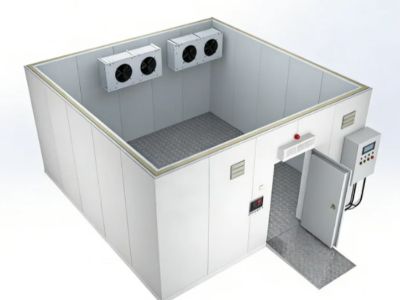
Additionally, assess the size and capacity of the storage unit. This depends on the volume of products you need to store and the available space in your facility. Customization options, such as adjustable shelving or modular designs, can be beneficial for optimizing space and accommodating varying product sizes. For example, our Cold Room solutions can provide versatile storage options tailored to your needs.

Finally, consider the automation features of the cold storage system. Automated monitoring and control systems can enhance operational efficiency and provide real-time data on temperature and humidity levels, which are vital for compliance with safety standards in the food and pharma sectors.

Our Blog Posts

what is the purpose of a cold room

03

Nov

what is the purpose of a cold room

The purpose of a cold room is essential for various industries, primarily focusing on the preservation and storage of temperature-sensitive products. This article delves into the role of cold rooms, specifically in the food industry, and provides ins...
View More
what is a chiller used for

03

Nov

what is a chiller used for

Industrial chillers are critical components in various sectors, providing precise temperature control for a range of applications. Understanding what a energy-efficient chillers is used for can greatly influence purchasing decisions for business...
View More
how to clean condensing unit

03

Nov

how to clean condensing unit

Cleaning a condensing unit is essential for maintaining the efficiency and longevity of refrigeration systems, particularly in industries like food processing, pharmaceuticals, and logistics. Proper cleaning helps prevent malfunctions, reduces energy...
View More
what are the advantages of food preservation

03

Nov

what are the advantages of food preservation

Food preservation is a critical process that extends the shelf life of perishable goods such as fruits, vegetables, meats, and dairy products. Understanding the advantages of food preservation can greatly benefit businesses in the food industry, incl...
View More

Leave a Message

Email
Name
Company Name
Message
0/1000

Related product categories