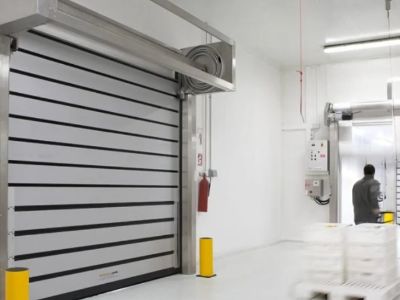
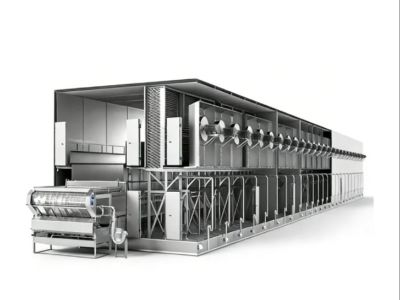
Chilled Room Applications for Your Business Needs

Let's Discuss Your Needs

Every great collaboration starts with a friendly chat.
We're here to help you figure things out and find the best way forward.
Company Name
Name
Email
WhatsApp
Mobile

chilled room

Chilled rooms are specialized storage facilities designed to maintain low temperatures for the preservation of temperature-sensitive goods. In industries such as food, pharmaceuticals, and logistics, the need for a reliable chilled room is paramount to ensure product integrity and safety. Potential buyers often have concerns regarding customization options, energy efficiency, and compliance with industry standards. This article aims to provide comprehensive insights into chilled room applications, selection criteria, and sourcing reliable suppliers to help you make informed purchasing decisions.

How to Choose the Right Chilled Room for Your Bulk Order

Selecting the right chilled room begins with a thorough assessment of your operational needs. Key considerations include:

Temperature Range: Determine the specific temperature requirements based on the products you intend to store. Different products may require different conditions, so clarity on this is crucial.

Size and Capacity: Evaluate the dimensions and storage capacity needed. A properly sized chilled room maximizes storage efficiency and minimizes energy consumption.

Insulation and Materials: The insulation material affects the room's efficiency. High-quality insulation reduces energy costs and maintains consistent temperature levels. Common materials include polyurethane, which offers excellent thermal performance.

Energy Efficiency: Look for energy-efficient models that comply with industry standards. An energy-efficient system not only reduces operational costs but also aligns with sustainability goals.

Customization Options: Consider whether you need a custom-engineered solution. Custom designs can accommodate unique space constraints or specific product requirements, ensuring optimal functionality.

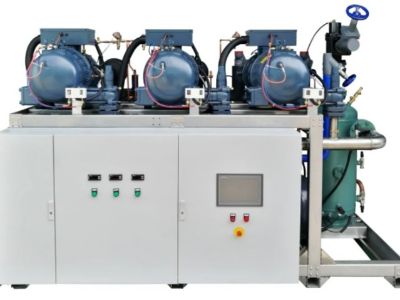
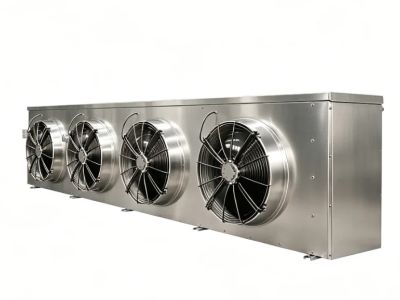
Automation Features: Automated systems can enhance operational efficiency by providing real-time monitoring and control, reducing the risk of human error. Furthermore, utilizing REFRIGERATION UNITS can contribute to improved energy management.

By understanding these factors, buyers can make informed decisions that align with their operational goals and budget constraints.
What Buyers Should Know

As you prepare to purchase a chilled room, there are several critical aspects to keep in mind:

Manufacturing Capabilities: Ensure your supplier has the capability to produce chilled rooms that meet your specifications. This includes understanding the materials they use, the technology employed in their systems, and their customization options.

Quality Control Processes: Inquire about the quality control measures in place during production. A reliable manufacturer should have stringent quality checks to ensure that every unit meets industry standards.

Lead Times and MOQs: Understand the expected lead times for production and delivery. Additionally, clarify the minimum order quantities (MOQs) to ensure they fit your purchasing plans.

Installation and Maintenance: Discuss installation requirements and maintenance services. A comprehensive support package can help minimize downtime and ensure the longevity of your chilled room.

By addressing these considerations, buyers can better navigate the purchasing process and select a supplier that meets their needs.

Where to Source Reliable Suppliers for Chilled Room Systems

Finding a reliable supplier for chilled room systems involves research and evaluation. Here are a few strategies:

Industry Associations and Trade Shows: Attend industry events and exhibitions where manufacturers showcase their products. This provides an opportunity to network, see products firsthand, and gather information about different suppliers.

Online Marketplaces: Utilize B2B platforms and marketplaces that specialize in industrial equipment. These platforms often feature customer reviews and ratings, helping you gauge the reliability of suppliers.

Referrals and Recommendations: Seek recommendations from industry peers who have experience purchasing chilled rooms. Their insights can lead you to trustworthy suppliers.

Supplier Evaluation: Once you have a shortlist of potential suppliers, evaluate them based on criteria such as production capabilities, certifications, and customer service. A supplier with a strong reputation and positive reviews is more likely to deliver quality products.

Request Quotes and Samples: Before finalizing a supplier, request detailed quotes and, if possible, samples. This allows you to assess the quality and suitability of the product for your specific needs.

By leveraging these sourcing strategies, buyers can identify reputable suppliers that align with their requirements.

A Buyeru2019s Decision Suppor

Making an informed purchasing decision for a chilled room requires careful consideration of various factors. Begin by compiling detailed specifications of your needs, including:

Product Type and Model: Specify the type of chilled room (e.g., walk-in, modular) and any particular model you are interested in, based on your application.

Dimensions and Capacity: Clearly outline the required dimensions and storage capacity, as these will directly impact the design and efficiency of the chilled room.

Material and Insulation Requirements: Identify the preferred materials and insulation types that align with your operational standards.

Customization Needs: Document any specific customization requests that would enhance your chilled room’s functionality.

Delivery and Installation Preferences: Consider factors such as delivery timelines and installation preferences to ensure a smooth operational transition.

By preparing this information ahead of time, you can streamline the RFQ process and facilitate meaningful discussions with potential suppliers. This preparation not only aids in securing favorable terms but also enhances the likelihood of selecting a chilled room that meets your operational requirements.

Understanding Chilled Room Applications for Your Business Needs

Chilled rooms serve various applications across multiple sectors, including food storage, pharmaceutical storage, and logistics. For the food industry, chilled rooms help maintain the freshness of perishable items, such as fruits, vegetables, and meats, by providing optimal temperature and humidity control. In pharmaceuticals, these rooms are critical for storing temperature-sensitive medications and vaccines, ensuring they remain effective and safe for use. Additionally, investing in a proper Cold Room can significantly enhance storage capabilities.

When considering a chilled room for your business, it is essential to evaluate your specific needs. Factors such as the types of products being stored, the volume of inventory, and the required temperature ranges play a significant role in determining the appropriate chilled room configuration. For example, food products may require temperatures between 0°C to 4°C, while pharmaceuticals may need stricter controls around 2°C to 8°C. Understanding these requirements ensures that you choose a chilled room that effectively meets your operational demands.

Frequently Asked Questions

What is a chilled room and its primary use?

A chilled room is a temperature-controlled storage space for perishable goods, used to extend shelf life for food, pharmaceuticals, and logistics inventory.
Our chilled rooms typically maintain +1°C to +8°C, configurable by project to meet specific product and regulatory requirements.
Yes. We provide custom-engineered chilled rooms tailored to capacity, workflow, automation, and integration needs for food, pharma, and logistics operations.
We design energy-efficient systems using insulated panels, optimized refrigeration units, and smart controls to reduce power consumption and operating costs.
Yes. We provide global installation, commissioning, automation integration, and ongoing maintenance and spare parts support to ensure reliable operation.

Our Blog Posts

how to clean condensing unit

03

Nov

how to clean condensing unit

Cleaning a condensing unit is essential for maintaining the efficiency and longevity of refrigeration systems, particularly in industries like food processing, pharmaceuticals, and logistics. Proper cleaning helps prevent malfunctions, reduces energy...
View More
what does evaporator coil do

03

Nov

what does evaporator coil do

Understanding what an evaporator coil does is essential for anyone involved in the purchasing or maintenance of refrigeration systems. These coils play a crucial role in cooling processes by absorbing heat from the environment, making them indispensa...
View More
what are the methods of food preservation

03

Nov

what are the methods of food preservation

Food preservation is a critical process for maintaining the quality and safety of perishable items, especially in the food industry. Understanding what are the methods of food preservation can help businesses minimize waste, ensure product integrity,...
View More
what are the advantages of food preservation

03

Nov

what are the advantages of food preservation

Food preservation is a critical process that extends the shelf life of perishable goods such as fruits, vegetables, meats, and dairy products. Understanding the advantages of food preservation can greatly benefit businesses in the food industry, incl...
View More

Leave a Message

Email
Name
Company Name
Message
0/1000

Related product categories