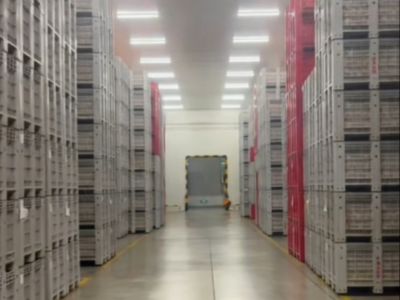
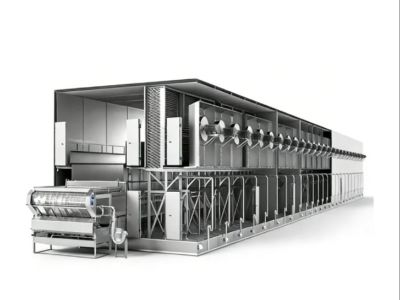
Understanding Blast Freezer Cost for B2B Buyers

Let's Discuss Your Needs

Every great collaboration starts with a friendly chat.
We're here to help you figure things out and find the best way forward.
Company Name
Name
Email
WhatsApp
Mobile

blast freezer cost

When considering the investment in a blast freezer, understanding the total cost implications is crucial for B2B buyers. The blast freezer cost encompasses not just the initial purchase price but also operating expenses, maintenance, and efficiency factors that can significantly influence long-term profitability. This article will guide purchasing managers, engineers, and other decision-makers through the essential aspects of comparing costs, evaluating specifications, recognizing common issues, and identifying ways to optimize expenses associated with blast freezers.

Key Specifications to Consider When Evaluating Blast Freezers

When evaluating blast freezers, key specifications directly influence performance, efficiency, and suitability for your application. Important specifications include:

Cooling Capacity: Measured in tons, this indicates how much product can be frozen in a specific timeframe. Ensure it aligns with your production or storage needs.Temperature Range: Confirm that the freezer can achieve the required low temperatures quickly, particularly for sensitive items like pharmaceuticals or seafood.Insulation Thickness: Thicker insulation improves energy efficiency by minimizing heat transfer. This can significantly reduce operational costs over time.Compressor Type: Different compressors offer varying levels of efficiency and noise. Variable speed compressors, for instance, can adjust output based on load, enhancing efficiency.Control Systems: Advanced control systems can optimize performance and allow for remote monitoring, which is increasingly important for supply chain management.

Understanding these specifications will help ensure that the blast freezer you choose not only meets your current needs but also adapts to future demands.
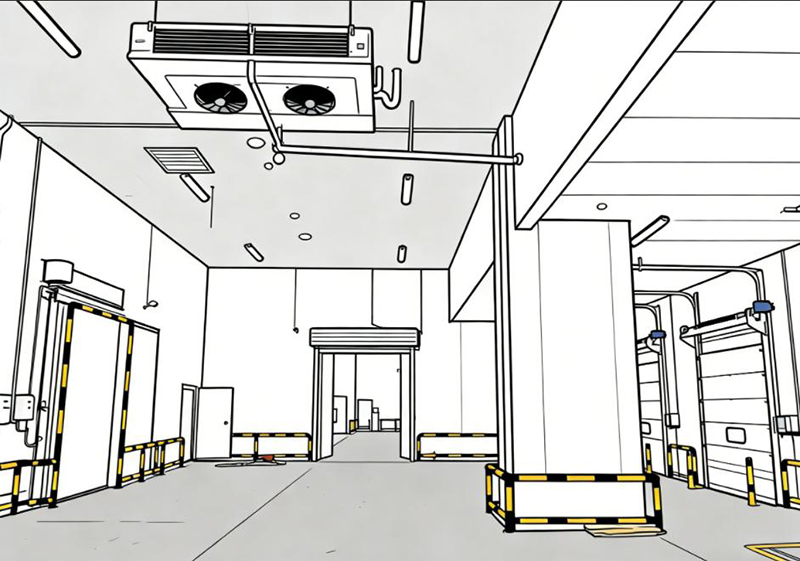
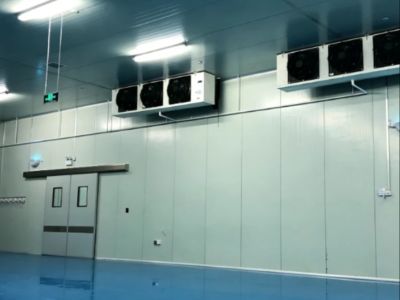
Common Problems with Blast Freezers and Their Cost Implications

Buyers should be aware of common issues that may arise with blast freezers and their potential cost implications. Problems can include:

Inefficient Cooling Cycles: If the unit struggles to reach required temperatures, it can lead to longer wait times and increased energy consumption, inflating operational costs.Frequent Breakdowns: Older or poorly maintained units may require more repairs, leading to unexpected expenses that can outweigh initial savings from lower purchase costs.Inadequate Insulation: Insufficient insulation can cause energy losses, leading to higher electricity bills and reduced efficiency.Poor Airflow Design: Inefficient airflow can result in uneven freezing, affecting product quality and potentially leading to waste.

Addressing these issues proactively during the purchasing process can help mitigate long-term costs.

Solutions for Reducing Blast Freezer Operational Costs

Operational costs can be a significant portion of the total cost of ownership for blast freezers. Here are some strategies to reduce these expenses:

Regular Maintenance: Implement a routine maintenance schedule to ensure optimal performance and extend the lifespan of the unit. This includes checking refrigerant levels, cleaning coils, and inspecting seals.Energy-Efficient Models: Invest in energy-efficient blast freezers. Although they may have a higher upfront cost, the savings on energy bills can be substantial over time.Smart Technology Integration: Utilize monitoring systems that can track energy use and alert you to inefficiencies or required maintenance, helping to avoid costly repairs.Proper Loading Techniques: Ensure that products are loaded correctly to facilitate optimal airflow and freezing efficiency. Overloading can strain the system and reduce efficiency.

By focusing on these areas, companies can significantly lower their operational costs associated with blast freezers.

How to Save on Blast Freezer Purchases

When purchasing blast freezers, several strategies can help reduce costs without compromising quality:

Bulk Purchasing: If your facility requires multiple units, consider bulk purchasing to negotiate better pricing with suppliers.Look for Refurbished Options: If budget constraints are significant, refurbished models from reputable manufacturers can offer substantial savings while still providing reliable performance.Request Detailed Quotations: When reaching out for quotes, provide suppliers with as much information as possible about your needs. This allows them to tailor their proposals and may lead to discounts or better options.Leverage Seasonal Discounts: Some manufacturers offer discounts during off-peak seasons. Timing your purchase can lead to significant savings.

By employing these strategies, buyers can secure a blast freezer that meets their needs without overspending.

In summary, understanding the total cost of ownership of blast freezers, evaluating key specifications, and addressing common issues can empower B2B buyers to make informed purchasing decisions. Focusing on operational efficiencies and strategic purchasing practices will ensure that your investment yields the best possible returns.

How to Compare Blast Freezer Costs from Different Suppliers

Comparing blast freezer costs effectively requires a strategic approach. Start by gathering quotes from multiple suppliers, ensuring that each proposal includes similar specifications for a fair assessment. Key factors to consider in your comparison include:

Initial Purchase Price: This is the most straightforward metric. However, it should not be the sole focus.Energy Efficiency Ratings: Suppliers often provide efficiency metrics, such as kWh per ton. A higher initial cost may be justified by lower operational costs over time.Warranty and Service Plans: Evaluate what is included in the warranty and the availability of service plans. Extended warranties may indicate a manufacturer’s confidence in their product.Customization Options: Some suppliers may offer tailored solutions that can better fit your specific operational needs, potentially impacting both cost and efficiency.

Request detailed breakdowns for each quote to assess which supplier offers the best value, not just the lowest price.

Frequently Asked Questions

How much does a blast freezer typically cost?

Cost varies by size, capacity, and features. Small units start from modest investments while industrial systems require higher capital. Contact us with specifications for a tailored quote.
Key factors: chamber size, cooling capacity, insulation, automation, controls, and installation complexity. Options like humidity control and energy-efficient compressors also impact cost.
Yes. We design and manufacture custom, automated blast freezers for food, pharma, and logistics to meet specific throughput, footprint, and temperature requirements.
Estimates typically cover equipment and installation. We provide separate operating cost projections based on duty cycles, local energy rates, and selected efficiency options.
We offer manufacturer warranty and global after-sales support including installation guidance, maintenance plans, spare parts, and remote or on-site technical service.

Our Blog Posts

10 Fascinating Facts About Cold Room You Never Knew!

12

Oct

10 Fascinating Facts About Cold Room You Never Knew!

The World's Largest "Refrigerator" Can Hold the Entire City of Rome. The global cold storage network is vast beyond imagination. For instance, the total storage capacity of one of North America's largest cold storage operators exceeds 400 million cub...
View More
how to set cold room temperature

03

Nov

how to set cold room temperature

Setting the right cold room temperature is crucial for industries that rely on precise temperature control to maintain the quality and safety of their products. Whether you are in the food, pharmaceutical, or logistics sector, understanding how to se...
View More
controlled atmosphere storage of fruits and vegetables

03

Nov

controlled atmosphere storage of fruits and vegetables

Controlled atmosphere storage of fruits and vegetables is a critical component in preserving the quality and extending the shelf life of produce. These specialized storage solutions regulate temperature, humidity, and gas composition to slow down rip...
View More
what are the advantages of food preservation

03

Nov

what are the advantages of food preservation

Food preservation is a critical process that extends the shelf life of perishable goods such as fruits, vegetables, meats, and dairy products. Understanding the advantages of food preservation can greatly benefit businesses in the food industry, incl...
View More

Leave a Message

Email
Name
Company Name
Message
0/1000

Related product categories