EN

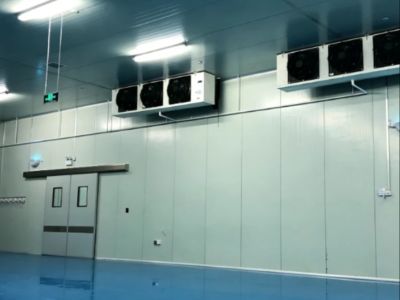
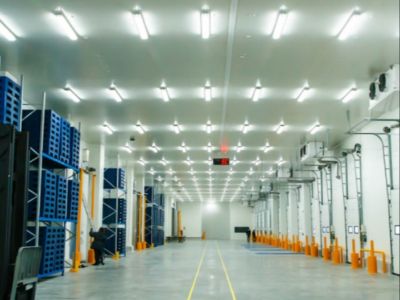
Banana ripening rooms are specialized facilities designed to control the ripening process of bananas, ensuring they reach optimal flavor and texture before distribution. For B2B buyers, such as purchasing managers and distributors, understanding the specifics of banana ripening rooms is crucial for maintaining product quality and maximizing shelf life. This article will delve into how to choose the right banana ripening room, key features to consider, installation guidance, common problems and their solutions, and the applications of these rooms within the food supply chain.
Key Features to Consider
When evaluating banana ripening rooms, several key features should be prioritized to ensure effective ripening:
Temperature Control: The ideal ripening temperature for bananas typically ranges from 15°C to 20°C. Look for systems that provide consistent temperature control to prevent overripening or spoilage.
Humidity Regulation: Humidity levels should be maintained between 85%-95% to avoid dehydration. Advanced models have built-in humidifiers that automatically adjust humidity based on real-time data.
Ethylene Gas Management: Ethylene is a natural plant hormone that triggers ripening. Some rooms include ethylene generators or sensors to regulate the gas levels, promoting uniform ripening.
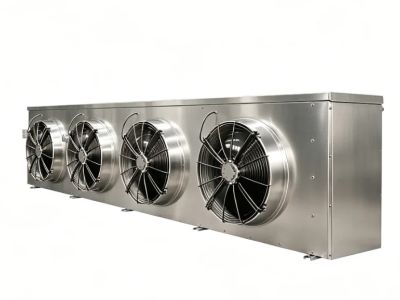
Ventilation Systems: Proper airflow is crucial to ensure even ripening and prevent the buildup of ethylene gas. Efficient ventilation systems help maintain ideal conditions throughout the storage space.
Monitoring Systems: Integrated monitoring systems allow for remote tracking of temperature, humidity, and ethylene levels. This feature can help in proactive management and troubleshooting.
By focusing on these features, buyers can ensure that the banana ripening room will perform effectively and meet their operational needs.