Reliable Cold Room Door Suppliers for Your Needs

Let's Discuss Your Needs

Every great collaboration starts with a friendly chat.
We're here to help you figure things out and find the best way forward.
Company Name
Name
Email
WhatsApp
Mobile

cold room door suppliers

Cold room doors are essential components in refrigeration systems, particularly for cold storage rooms, freezers, and ice machines. As a B2B buyer, your primary concerns may include product specifications, material durability, application suitability, and supplier reliability. This article aims to guide you through the selection process, helping you understand how to compare cold room door suppliers effectively, evaluate cost factors, and identify the best applications for food and pharmaceutical industries.

Reliable Cold Room Door Suppliers Explained

When choosing cold room door suppliers, consider their reputation, manufacturing capabilities, and experience in the industry. Reliable suppliers should demonstrate the following:

Quality Assurance: Look for suppliers with established quality control processes and certifications. This can include ISO certifications or compliance with industry standards that ensure product reliability and safety.

Customization Options: A supplier that offers custom-engineered solutions can better cater to your specific needs. For instance, if you require doors that fit unique dimensions or specific insulation properties, suppliers with customization capabilities will be necessary. Suppliers offering cold room solutions can be particularly beneficial.

Technical Support: Suppliers should provide comprehensive technical support, from product selection to post-installation assistance. This includes guidance on installation, maintenance, and troubleshooting, ensuring that any issues can be addressed promptly.

Experience and Testimonials: Evaluate the supplier's experience in manufacturing cold room doors and their track record with past clients. Testimonials and case studies can provide insights into their reliability and product performance in real-world applications.

By thoroughly assessing these factors, you can identify suppliers that align with your requirements and offer peace of mind during the purchasing process.
Top Applications for Cold Room Doors in Food and Pharma

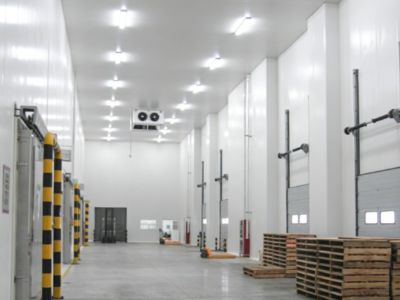
Cold room doors play a critical role in several industries, predominantly in food processing, pharmaceuticals, and logistics. Here are some key applications:

Food Storage: In food processing plants and warehouses, cold room doors help maintain optimal temperatures for perishables, preventing spoilage and ensuring compliance with health regulations. The energy-efficient designs help reduce operational costs while ensuring product integrity.

Pharmaceuticals: Cold storage is vital for pharmaceuticals, where specific temperature controls are necessary for sensitive medications and vaccines. Cold room doors designed for this application must offer reliable insulation and tight sealing to protect products from temperature fluctuations.

Logistics and Distribution: In logistics operations, cold room doors facilitate the efficient movement of goods through temperature-controlled environments. They allow for high traffic while ensuring that stored products remain at the required temperatures during loading and unloading.

Selecting the right cold room door for these applications is essential for maintaining product quality and regulatory compliance, making it a crucial decision for B2B buyers in these sectors.

Evaluating Cost Factors When Purchasing Cold Room Doors

Cost is a significant consideration when purchasing cold room doors, and several factors can influence the final price:

Material and Construction: Higher-quality materials and advanced construction techniques typically come at a premium. While it may be tempting to choose lower-cost options, investing in durable materials can lead to long-term savings through reduced maintenance and energy costs.

Customization Needs: Custom-engineered solutions will generally cost more than standard doors. However, these tailored solutions can provide better functionality and efficiency in specific applications, potentially offsetting the higher upfront cost.

Quantity and Bulk Discounts: Many suppliers offer discounts for bulk orders, which can significantly reduce the unit price. If you anticipate needing multiple doors, discuss volume pricing with potential suppliers.

Shipping and Installation: Don't forget to factor in shipping costs and any installation services you may require. Depending on the complexity of the installation, hiring professionals may be necessary to ensure proper fitting and performance.

By understanding these cost factors, you can create a more accurate budget and make a more informed decision regarding your cold room door purchase.

Expert Insights on Material Advantages for Cold Room Doors

Choosing the right material for cold room doors is critical to ensuring performance, durability, and energy efficiency. Here are some common materials and their advantages:

Insulated Steel: This material offers excellent insulation properties, making it suitable for extreme temperature conditions. It is robust and durable, ideal for high-traffic areas where wear and tear may occur.

Aluminum: Lightweight and resistant to corrosion, aluminum doors are a popular choice for cold storage facilities. They are easy to maintain and often come with thermal breaks to enhance insulation performance.

Fiberglass: Fiberglass doors provide superior insulation and are resistant to moisture, making them well-suited for environments where condensation is a concern. They are also less prone to denting compared to steel.

Polyurethane Core: Doors with a polyurethane core offer enhanced thermal insulation compared to polystyrene cores, making them an excellent choice for energy-efficient applications.

Understanding the advantages of different materials allows you to select a cold room door that best meets your operational requirements, ensuring long-lasting performance and reduced energy costs.

By following the guidance outlined, you can make well-informed decisions when evaluating cold room door suppliers and their products, ultimately enhancing your operational efficiency and product quality.

How to Compare Cold Room Door Specifications for Your Needs

Selecting the right cold room door requires careful attention to specifications that affect performance and suitability. Key specifications to consider include:

Material: Common materials include insulated steel, aluminum, and fiberglass. Each material offers different thermal resistance properties, which can impact energy efficiency and durability. For example, insulated steel doors provide robust protection against temperature fluctuations, making them ideal for high-traffic areas.

Dimensions: Ensure the door size fits the designated opening, considering both width and height. Incorrect dimensions can lead to installation issues and affect operational efficiency. Measure the opening accurately and consult with suppliers for custom solutions if standard sizes do not meet your needs.

Sealing Mechanisms: Look for high-quality seals that prevent air leakage. Proper sealing is crucial for maintaining temperature control and energy efficiency. Double-check the seal type and material, as poor sealing can lead to significant energy losses.

Load Capacity: If the door will be subject to heavy traffic or equipment movement, confirm its load-bearing capacity. This is particularly important in logistics and food storage facilities, where frequent use is expected.

Understanding these specifications will help you make an informed decision and avoid common pitfalls, such as selecting a door that does not meet your operational demands.

Frequently Asked Questions

What types of cold room doors do you supply?

We supply insulated swing, sliding, and refrigerated sectional doors designed for cold rooms, freezers, and walk-in storage with options for food, pharma, and logistics applications.
Yes. We custom-engineer door size, insulation thickness, and panel materials to meet temperature, space, and hygiene requirements for your project.
Yes. Our doors integrate with automated controls, sensors, and access systems for temperature monitoring, remote control, and workflow automation.
Doors include high-performance insulation, airtight seals, thermal breaks, and rapid-open options to minimize heat ingress and reduce refrigeration load.
We provide global installation support, commissioning, preventive maintenance plans, spare parts, and technical assistance to ensure reliable long-term operation.

Our Blog Posts

what is a chiller used for

03

Nov

what is a chiller used for

Industrial chillers are critical components in various sectors, providing precise temperature control for a range of applications. Understanding what a energy-efficient chillers is used for can greatly influence purchasing decisions for business...
View More
what is the standard temperature of chiller

03

Nov

what is the standard temperature of chiller

Understanding the standard temperature of chillers is crucial for multiple industries, including food, pharmaceuticals, and logistics. This article dives into the specifics of what is the standard temperature of a energy-efficient chillers, addressin...
View More
how to clean condensing unit

03

Nov

how to clean condensing unit

Cleaning a condensing unit is essential for maintaining the efficiency and longevity of refrigeration systems, particularly in industries like food processing, pharmaceuticals, and logistics. Proper cleaning helps prevent malfunctions, reduces energy...
View More
what does evaporator coil do

03

Nov

what does evaporator coil do

Understanding what an evaporator coil does is essential for anyone involved in the purchasing or maintenance of refrigeration systems. These coils play a crucial role in cooling processes by absorbing heat from the environment, making them indispensa...
View More

Leave a Message

Email
Name
Company Name
Message
0/1000

Related product categories