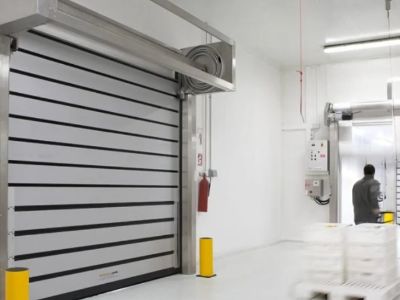
Choosing an Industrial Cold Room Supplier

Let's Discuss Your Needs

Every great collaboration starts with a friendly chat.
We're here to help you figure things out and find the best way forward.
Company Name
Name
Email
WhatsApp
Mobile

industrial cold room

Industrial cold rooms are vital for businesses that require temperature-controlled environments to preserve perishable goods such as food and pharmaceuticals. As a purchasing manager or B2B buyer, ensuring you select a reliable supplier is essential to meet your operational needs and compliance standards. This article will guide you through key considerations in choosing an industrial cold room supplier, evaluating product quality, understanding energy-efficient specifications, identifying common issues and their solutions, and exploring applications in the food and pharmaceutical industries.

How to Evaluate the Quality of Cold Storage Room Products

Assessing the quality of cold storage room products involves a thorough evaluation of materials, construction, and performance. Key specifications to review include insulation thickness, material type, and sealing integrity. For example, higher insulation thickness can lead to better thermal efficiency, reducing energy costs and ensuring a stable temperature environment. The choice of materials—such as stainless steel or aluminum—can also affect durability and maintenance requirements.

Furthermore, perform a visual inspection of sample units. Look for uniformity in construction and finishes, as inconsistencies can indicate manufacturing issues. It’s also wise to inquire about the supplier's quality assurance processes. A reputable supplier should have protocols in place for testing products under various conditions to ensure they meet or exceed performance standards.

Finally, consider the supplier's track record in customer service and post-sale support. A supplier that is responsive to inquiries and offers maintenance services can help ensure long-term satisfaction with your cold room investment.
Key Specifications for Energy-Efficient Cold Storage Solutions

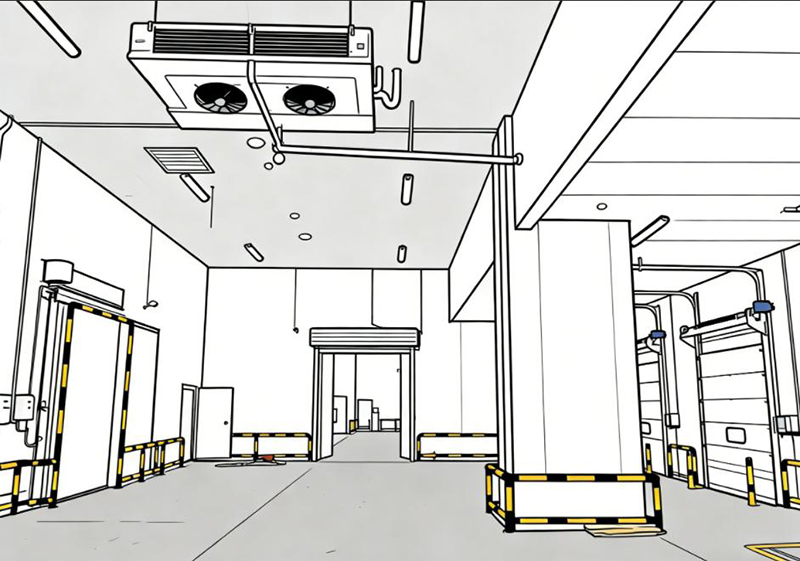
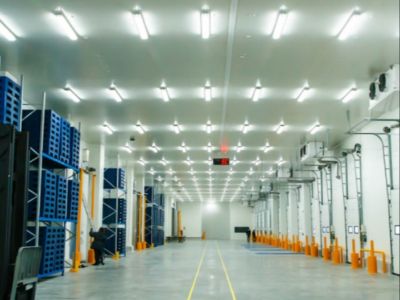
When evaluating energy-efficient cold storage solutions, several key specifications should be prioritized. First, consider the insulation value (R-value) of the walls, ceiling, and floor. A higher R-value indicates better insulation, which helps to minimize energy consumption by maintaining internal temperatures more effectively. Additionally, look for systems incorporating advanced technology, such as variable-speed compressors and energy-efficient refrigeration units. These technologies can adjust cooling output based on real-time needs, reducing energy waste. The design and layout of the cold room also play a critical role; for example, minimizing air leaks and optimizing airflow can enhance energy efficiency.

Lastly, ensure that the cold room is designed for easy maintenance and upgrades. A system that allows for easy access to components for servicing will be more sustainable over the long term, reducing operational downtimes.

Common Problems with Industrial Cold Rooms and Their Solutions

One common issue with industrial cold rooms is temperature fluctuations. This can stem from poor insulation, inadequate sealing, or malfunctioning refrigeration systems. To mitigate this, ensure regular maintenance checks are conducted, and consider investing in advanced monitoring systems that provide real-time data on temperature and humidity levels.

Another problem often encountered is condensation, which can lead to mold growth and product spoilage. To combat this, proper ventilation and temperature control are crucial. Installing dehumidifiers or using insulated doors can also help minimize moisture buildup.

Finally, buyers should be aware of potential compatibility issues with existing infrastructure. Before installation, it’s essential to verify that the cold room dimensions and access points align with your facility layout. This foresight can prevent costly modifications and delays during installation.

Applications of Cold Storage Rooms in Food and Pharmaceutical Industries

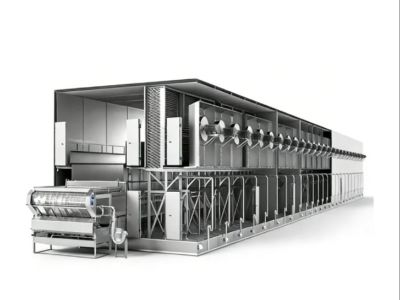
In the food industry, industrial cold rooms are essential for preserving perishable items, extending shelf life, and maintaining product quality. They are widely used for storing meat, dairy, fruits, and vegetables under controlled temperatures to prevent spoilage and comply with health regulations. Additionally, cold rooms facilitate the efficient logistics of food distribution by ensuring that products remain at optimal temperatures during storage and transport. Solutions like IQF FREEZERS can also complement cold room technologies for better food preservation.

In the pharmaceutical sector, cold storage rooms play a critical role in storing medications and vaccines that require strict temperature control to maintain efficacy. The ability to monitor and regulate temperatures precisely is vital, as even minor fluctuations can compromise product safety and effectiveness. Furthermore, compliance with regulatory standards for pharmaceutical storage is non-negotiable, making the choice of an experienced supplier essential.

In summary, industrial cold rooms are indispensable for maintaining the quality of temperature-sensitive goods across various industries. Understanding the key aspects of selecting a supplier, evaluating product quality, and recognizing application-specific requirements will empower purchasing managers and other B2B buyers to make informed decisions that benefit their operations.

What to Consider When Choosing an Industrial Cold Room Supplier

When selecting a supplier for industrial cold rooms, the first step is to assess their manufacturing capabilities. Look for a company with experience in producing energy-efficient cold storage solutions tailored to your industry requirements. For example, Shanghai Zhaoxue Refrigeration Co., Ltd. specializes in custom-engineered cold storage systems designed for food, pharmaceuticals, and logistics. A supplier with expertise in your specific sector can offer valuable insights and tailored solutions. Additionally, consider their offerings like REFRIGERATION UNITS which can enhance the efficiency of your cold storage.

Additionally, consider the supplier's certifications, quality control processes, and production equipment. Certifications ensure that the products meet industry standards and regulations, while robust quality control processes help maintain consistent performance. It's advisable to request information about their manufacturing methods and any energy efficiency certifications, as these can significantly impact operational costs and environmental considerations.

Lastly, evaluate the supplier's customization capabilities. Each business has unique requirements based on application, layout, and operational needs. A supplier that can adapt designs to meet specific dimensions and features will provide a more satisfactory product for your operations. For instance, customized Cold Room solutions can be crucial for your specific needs.

Frequently Asked Questions

What is an industrial cold room used for?

An industrial cold room stores perishable goods at controlled temperatures for food, pharmaceuticals, and logistics, preventing spoilage and extending shelf life.
Yes. We provide custom-engineered cold rooms sized and configured to your space, storage needs, and workflow requirements.
We offer a wide range from mild chill to deep freeze, typically from +10°C down to -40°C, configurable per application.
Yes. Our designs use efficient insulation, compressors, and controls to minimize energy consumption and operating costs.
Yes. We deliver turnkey installation, automation integration, commissioning, and ongoing maintenance and spare parts support globally.

Our Blog Posts

10 Fascinating Facts About Cold Room You Never Knew!

12

Oct

10 Fascinating Facts About Cold Room You Never Knew!

The World's Largest "Refrigerator" Can Hold the Entire City of Rome. The global cold storage network is vast beyond imagination. For instance, the total storage capacity of one of North America's largest cold storage operators exceeds 400 million cub...
View More
how to set temperature in chiller

03

Nov

how to set temperature in chiller

Setting the correct temperature in a chiller is crucial for maintaining the quality and safety of sensitive products, especially in industries like food, pharmaceuticals, and logistics. This article will address key considerations for B2B buyers, inc...
View More
what are the methods of food preservation

03

Nov

what are the methods of food preservation

Food preservation is a critical process for maintaining the quality and safety of perishable items, especially in the food industry. Understanding what are the methods of food preservation can help businesses minimize waste, ensure product integrity,...
View More
what are the advantages of food preservation

03

Nov

what are the advantages of food preservation

Food preservation is a critical process that extends the shelf life of perishable goods such as fruits, vegetables, meats, and dairy products. Understanding the advantages of food preservation can greatly benefit businesses in the food industry, incl...
View More

Leave a Message

Email
Name
Company Name
Message
0/1000

Related product categories