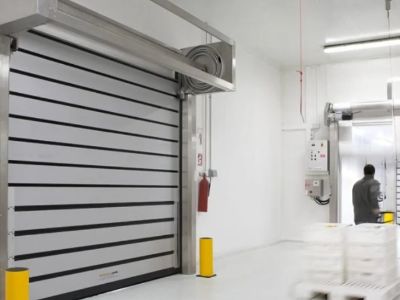
Quality Ice Cold Rooms for Food, Pharma, and Logistics

Let's Discuss Your Needs

Every great collaboration starts with a friendly chat.
We're here to help you figure things out and find the best way forward.
Company Name
Name
Email
WhatsApp
Mobile

ice cold room

Ice cold rooms are specialized cold storage solutions designed to maintain low temperatures for various applications, particularly in the food, pharmaceutical, and logistics industries. As a purchasing manager or distributor, your primary concerns may include product quality, energy efficiency, customization options, and compliance with industry regulations. This article will explore how to evaluate the quality of ice cold rooms, source reliable suppliers, analyze cost factors when purchasing in bulk, and discuss best practices and applications of ice cold rooms in your industry.

Where to Source Reliable Suppliers for Ice Cold Rooms

Finding reliable suppliers for ice cold rooms involves thorough research and evaluation. Start by asking for recommendations from industry peers or attending trade shows where manufacturers showcase their products. Online platforms like industry-specific directories or B2B marketplaces can also provide valuable insights into potential suppliers.

When you identify potential suppliers, assess their reputation by reviewing customer testimonials and case studies. A reputable manufacturer should have a proven track record in delivering high-quality cold storage solutions. Additionally, inquire about their experience in customizing products to meet specific industry needs, as this can be a significant factor in ensuring that the ice cold rooms will perform optimally for your application.

Don’t overlook the importance of after-sales support. Reliable suppliers should offer maintenance services, warranty options, and access to technical support. This can be crucial in minimizing downtime and ensuring that your ice cold room operates efficiently over its lifespan.
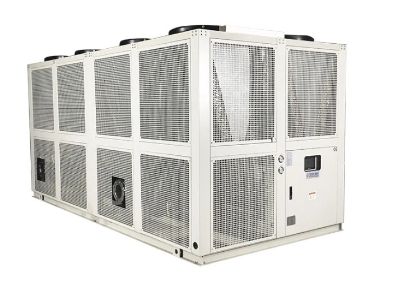
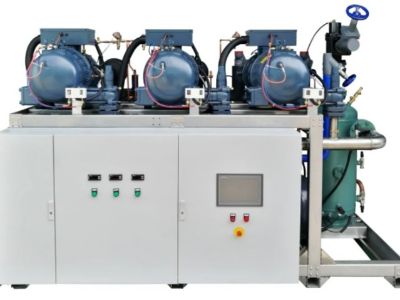
Cost Factors to Analyze When Buying Ice Cold Rooms in Bulk

When purchasing ice cold rooms in bulk, several cost factors should be analyzed to ensure you make a cost-effective decision. First, consider the initial purchase price, but remember that the cheapest option may not always be the best in terms of quality and long-term savings. Analyze the total cost of ownership, which includes operational costs such as energy consumption, maintenance, and potential repairs.

Another critical factor is the customization requirements. Custom-engineered solutions may incur additional costs, but they can significantly enhance efficiency and effectiveness. Be sure to discuss your specific needs with suppliers to get accurate quotations. For example, solutions like Self-stacking Spiral Freezers can offer tailored options for various applications.

Additionally, take into account logistics costs, including shipping and installation. Bulk orders might qualify for discounts, but consider the total cost of bringing the units to your location and any associated installation fees. Finally, assess the lead time for production and delivery, as delays can impact your operation and should be factored into your purchasing timeline.

Best Practices

To ensure optimal performance and longevity of ice cold rooms, follow these best practices:

Regular Maintenance: Schedule routine inspections and maintenance of the refrigeration system to prevent unexpected breakdowns and ensure efficient operation. This includes checking the compressor, evaporator coils, and insulation integrity.

Temperature Monitoring: Implement a continuous temperature monitoring system to track the internal conditions of the ice cold room. This helps in early detection of any temperature fluctuations, allowing for prompt corrective action.

Proper Loading: Avoid overloading the ice cold room, as this can obstruct airflow and impact temperature distribution. Follow the manufacturer’s guidelines regarding maximum load limits to maintain efficiency.

Training Staff: Ensure that all employees understand the proper procedures for operating and maintaining the ice cold room. This includes training on loading practices, temperature checks, and reporting any issues immediately.

Documentation: Keep thorough documentation of maintenance activities, temperature logs, and any modifications made to the room. This can be invaluable for compliance with industry regulations and for troubleshooting potential problems.

Applications of Ice Cold Rooms in Food, Pharma, and Logistics Industries

Ice cold rooms have diverse applications across several industries. In the food industry, they are essential for storing perishable goods, maintaining the freshness of fruits, vegetables, meats, and dairy products. They help in adhering to food safety standards by preventing spoilage and contamination.

In the pharmaceutical industry, ice cold rooms are crucial for storing sensitive medications and vaccines that require specific temperature ranges. Maintaining the integrity of these products is vital to ensure their efficacy and safety, making reliable temperature control a top priority.

In the logistics sector, ice cold rooms play a significant role in cold chain management. They facilitate the safe transportation of temperature-sensitive products by ensuring that they remain within specified temperature ranges throughout the supply chain. This is critical for preserving product quality and meeting regulatory requirements.

Selecting the right ice cold room involves careful consideration of quality, supplier reliability, cost factors, and best practices for operation. By following these guidelines, you can ensure that your investment in ice cold storage solutions meets your operational needs and standards.

How to Evaluate the Quality of Ice Cold Rooms Before Purchasing

When evaluating the quality of ice cold rooms, several specifications and features are critical. First, consider the insulation material and thickness used in the walls, ceiling, and floor. High-quality insulation minimizes energy loss, which is essential for maintaining consistent temperatures and reducing operational costs. Look for materials such as polyurethane foam, which offers superior insulation performance.

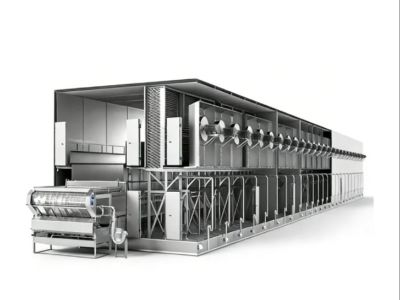
Next, assess the refrigeration system's efficiency. Ice cold rooms should be equipped with energy-efficient compressors, evaporators, and condensers. Check for certifications like CE or UL, which indicate compliance with safety and efficiency standards. Additionally, inquire about the room’s temperature control capabilities, including the range and stability of temperatures it can maintain. For instance, a Tunnel Freezer can be an excellent choice for maintaining optimal temperatures efficiently.

Lastly, evaluate the construction quality. Look for rooms that use durable materials resistant to corrosion, such as stainless steel interiors and robust, easy-to-clean surfaces. Ensure that the seals and doors are designed for airtightness to prevent temperature fluctuations and energy loss.

Frequently Asked Questions

What is an ice cold room used for?

An ice cold room stores perishable goods at near-freezing temperatures for food, pharma, and logistics, maintaining product quality and extending shelf life with controlled humidity and airflow.
Yes. We provide custom-engineered designs for temperature, size, insulation, shelving, automation, and integration to meet specific product and site requirements.
Our ice cold rooms typically maintain temperatures from -2°C to +5°C, adjustable based on product needs and process controls.
We use high-performance insulation, efficient refrigeration units, and optimized controls to minimize energy use while meeting required temperature and humidity targets.
Yes. We provide global installation, commissioning, automation setup, training, and ongoing maintenance and spare parts support to ensure reliable operation.

Our Blog Posts

what is the standard temperature of chiller

03

Nov

what is the standard temperature of chiller

Understanding the standard temperature of chillers is crucial for multiple industries, including food, pharmaceuticals, and logistics. This article dives into the specifics of what is the standard temperature of a energy-efficient chillers, addressin...
View More
how to clean condensing unit

03

Nov

how to clean condensing unit

Cleaning a condensing unit is essential for maintaining the efficiency and longevity of refrigeration systems, particularly in industries like food processing, pharmaceuticals, and logistics. Proper cleaning helps prevent malfunctions, reduces energy...
View More
what are the methods of food preservation

03

Nov

what are the methods of food preservation

Food preservation is a critical process for maintaining the quality and safety of perishable items, especially in the food industry. Understanding what are the methods of food preservation can help businesses minimize waste, ensure product integrity,...
View More
what are the advantages of food preservation

03

Nov

what are the advantages of food preservation

Food preservation is a critical process that extends the shelf life of perishable goods such as fruits, vegetables, meats, and dairy products. Understanding the advantages of food preservation can greatly benefit businesses in the food industry, incl...
View More

Leave a Message

Email
Name
Company Name
Message
0/1000

Related product categories