Choosing the Right Chiller Room for Your Business

Let's Discuss Your Needs

Every great collaboration starts with a friendly chat.
We're here to help you figure things out and find the best way forward.
Company Name
Name
Email
WhatsApp
Mobile

chiller room

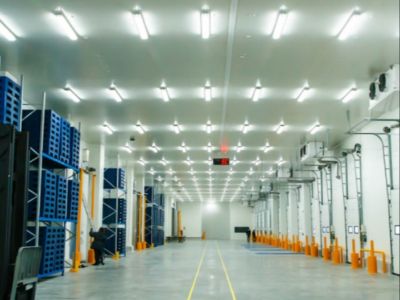
Choosing the right chiller room is crucial for businesses in sectors like food, pharmaceuticals, and logistics, where maintaining optimal temperatures is essential. A chiller room serves as a controlled environment that ensures product integrity, extends shelf life, and complies with regulatory standards. However, B2B buyers often face significant concerns, including energy efficiency, customization options, and the reliability of manufacturers. This article will guide you through key considerations, specifications, manufacturer evaluations, sourcing strategies, and common issues to ensure you make informed decisions regarding chiller rooms.

Evaluating Chiller Room Quality for Wholesale Purchases

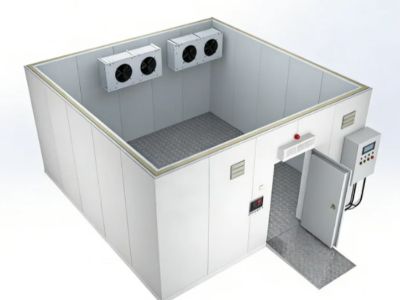
Energy efficiency in chiller rooms is determined by several key specifications:

Insulation Thickness: The thickness of the insulation panels directly affects energy consumption. Thicker insulation reduces heat transfer, which is crucial for maintaining the desired internal temperature.

Compressor Type: Different types of compressors (e.g., scroll, reciprocating) have varying energy efficiencies. For instance, inverter-driven compressors can adapt to fluctuating load demands, thus saving energy.

Temperature Control Systems: Advanced control systems, including digital thermostats and remote monitoring, help maintain precise temperature settings and reduce energy waste.

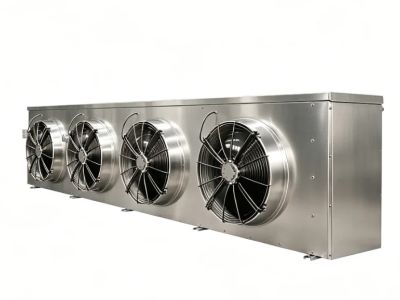
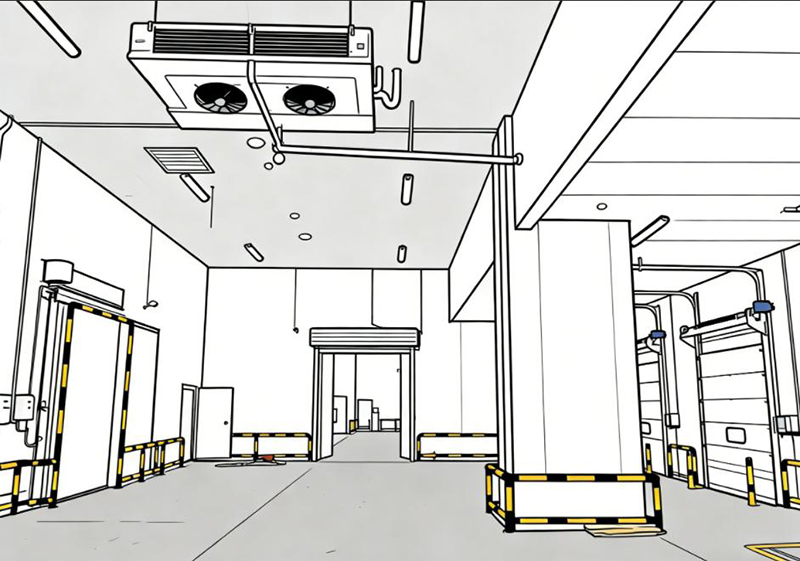
Airflow Design: Proper airflow design ensures that cold air circulates efficiently throughout the room, preventing hotspots that can compromise product quality.

Refrigerant Type: The choice of refrigerant can impact both energy efficiency and environmental compliance. Look for options that align with current regulations and offer lower global warming potential.

These specifications should be evaluated in the context of your operational needs and compliance requirements. Collaborating with a knowledgeable manufacturer can assist in determining the best fit.
How to Compare Chiller Room Options for Your Projects

Evaluating chiller room manufacturers involves several key steps to ensure quality and reliability:

Experience and Expertise: Investigate the manufacturer's industry experience and specialization. A manufacturer with a proven track record in your specific sector—be it food, pharmaceuticals, or logistics—will better understand your unique needs.

Certifications and Standards: Ensure that the manufacturer adheres to relevant industry standards and certifications. This not only guarantees product quality but also compliance with safety regulations.

Production Capabilities: Assess the manufacturer's production capabilities, including technology, equipment, and quality control processes. A facility equipped with modern machinery and robust quality checks can produce more consistent and reliable products.

Customer Testimonials and Case Studies: Review feedback from previous clients and case studies to gauge the manufacturer's reputation. A history of successful projects can provide insights into their reliability and customer service.

Post-Sale Support: Evaluate the level of post-sale support offered, including installation services, maintenance, and warranty options. A manufacturer that stands behind its products can minimize downtime and operational disruptions.

By considering these factors, you can identify a manufacturer that aligns with your operational goals and can provide a quality cold room solution.

Installation Guidance for Efficient Chiller Room Setup

Sourcing reliable wholesale chiller room solutions requires a strategic approach:

Industry Trade Shows and Expos: Attending industry-specific trade shows can help you connect with multiple manufacturers and suppliers. You can directly assess their products, gather information, and establish relationships.

Online Marketplaces and Directories: Utilize online platforms that specialize in industrial equipment. These platforms often provide reviews and ratings that can help you gauge the reliability of different suppliers.

Networking with Industry Peers: Engaging with peers in your industry can lead to valuable recommendations. Networking can provide insights into suppliers' performance and reliability.

Requesting Quotes and Proposals: Once you have identified potential suppliers, request detailed quotes. This should include specifications, pricing, lead times, and any customization options. Comparing these aspects across different suppliers will facilitate informed decision-making.

Conducting Site Visits: If feasible, visit the manufacturing facilities of potential suppliers. This gives you a firsthand look at their operations, quality control processes, and overall professionalism.

By following these sourcing strategies, you can find reliable wholesale chiller room solutions that meet your business needs.

Understanding the Cost Factors of Custom Chiller Rooms

Chiller rooms can encounter various problems that can disrupt operations and compromise product quality. Here are some common issues and their solutions:

Temperature Fluctuations: Sudden temperature changes can be caused by equipment malfunctions or inadequate insulation. Regular maintenance checks and investing in high-quality insulation materials can mitigate this risk. Implementing a robust monitoring system can alert you to temperature deviations in real time.

Humidity Issues: Excessive humidity can lead to mold growth and spoilage. Installing dehumidifiers or using desiccants can help maintain appropriate humidity levels in the chiller room.

Energy Inefficiency: If a chiller room is not energy efficient, it can lead to high operating costs. Regular maintenance, including cleaning coils and checking seals, can improve efficiency. Upgrading to more efficient compressors and insulation can also yield significant savings.

Poor Airflow: Insufficient airflow can create temperature inconsistencies. Ensure that airflow pathways are unobstructed and that fans are functioning correctly. Regularly scheduled maintenance can help identify and rectify airflow issues before they escalate.

System Failures: Equipment failures can lead to product loss. It’s crucial to develop a preventive maintenance schedule that includes regular inspections and timely repairs.

By proactively addressing these common problems, you can maintain the integrity of your chiller room and ensure that it operates efficiently.

This comprehensive overview provides essential insights into chiller rooms, assisting you in making informed purchasing decisions and ensuring the long-term success of your operations.

Choosing the Right Chiller Room for Your Bulk Order Needs

When selecting a chiller room, you must first assess your specific application requirements. Consider factors such as temperature range, humidity control, and product type. For instance, food storage may necessitate different conditions than pharmaceutical applications, which could include strict temperature stability.

Another critical aspect is energy efficiency. A well-designed chiller room can significantly reduce operational costs. Look for features like insulated panels, energy-efficient compressors, and advanced control systems that optimize energy usage. Moreover, customization options are vital—your chiller room should be tailored to fit the spatial constraints of your facility and accommodate any unique storage needs. A reliable manufacturer will also offer refrigeration units that meet your specifications.

Finally, consider the manufacturer's support and warranty offerings. A reliable manufacturer will provide comprehensive service, including installation support and maintenance plans, which are essential for long-term operational success.

Frequently Asked Questions

What is a chiller room and its purpose?

A chiller room is a temperature-controlled space for cooling and preserving perishable goods, ingredients, or products. It maintains specific temperatures and humidity to extend shelf life and ensure product quality for food, pharma, and logistics applications.
Yes. We provide custom-engineered chiller rooms tailored to your footprint, cooling capacity, temperature range, and automation needs to meet food, pharmaceutical, and logistics requirements.
Our chiller rooms use efficient compressors, insulated panels, economizers, variable-speed drives, and smart controls to reduce energy use while maintaining stable temperature and humidity.
Yes. We supply automated control systems with remote monitoring, alarms, data logging, and integration options to ensure consistent performance and fast response to deviations.
We handle design, site evaluation, installation, commissioning, and training. Ongoing maintenance and spare-parts support are available to ensure reliable operation globally.

Our Blog Posts

10 Fascinating Facts About Cold Room You Never Knew!

12

Oct

10 Fascinating Facts About Cold Room You Never Knew!

The World's Largest "Refrigerator" Can Hold the Entire City of Rome. The global cold storage network is vast beyond imagination. For instance, the total storage capacity of one of North America's largest cold storage operators exceeds 400 million cub...
View More
what is the purpose of a cold room

03

Nov

what is the purpose of a cold room

The purpose of a cold room is essential for various industries, primarily focusing on the preservation and storage of temperature-sensitive products. This article delves into the role of cold rooms, specifically in the food industry, and provides ins...
View More
how to set temperature in chiller

03

Nov

how to set temperature in chiller

Setting the correct temperature in a chiller is crucial for maintaining the quality and safety of sensitive products, especially in industries like food, pharmaceuticals, and logistics. This article will address key considerations for B2B buyers, inc...
View More
what does evaporator coil do

03

Nov

what does evaporator coil do

Understanding what an evaporator coil does is essential for anyone involved in the purchasing or maintenance of refrigeration systems. These coils play a crucial role in cooling processes by absorbing heat from the environment, making them indispensa...
View More

Leave a Message

Email
Name
Company Name
Message
0/1000

Related product categories