Choosing the Right Cold Room and Freezer Room

Let's Discuss Your Needs

Every great collaboration starts with a friendly chat.
We're here to help you figure things out and find the best way forward.
Company Name
Name
Email
WhatsApp
Mobile

cold room and freezer room

Cold rooms and freezer rooms are essential components in various industries, including food, pharmaceuticals, and logistics. These controlled environments are designed to maintain specific temperature ranges, ensuring the preservation of products that are sensitive to temperature fluctuations. As a purchasing manager or distributor, understanding the intricacies of cold storage solutions is crucial to making informed decisions that meet your operational needs while optimizing energy efficiency and compliance with industry standards. This article will provide valuable insights into selecting the right cold room and freezer room, focusing on specifications, sourcing quality equipment, addressing common issues, and understanding material advantages.

Top Specifications to Consider for Cold Room and Freezer Room Design

When evaluating cold storage solutions, several key specifications must be prioritized:

Insulation Thickness: The thickness of the insulation directly impacts energy efficiency. Typically, a higher R-value indicates better insulation performance, which is crucial for maintaining stable temperatures and reducing energy consumption.

Temperature Control Systems: Look for advanced temperature monitoring systems that provide real-time data and alerts, ensuring that temperature deviations are promptly addressed.

Material Selection: The materials used in construction should be resistant to corrosion and easy to clean. Common choices include stainless steel and food-grade polymers, which are essential in maintaining hygiene standards.

Sealing Mechanisms: Effective door seals are vital to prevent warm air infiltration and maintain internal temperatures. Buyers should inspect the quality of seals and consider options for automatic door closures.

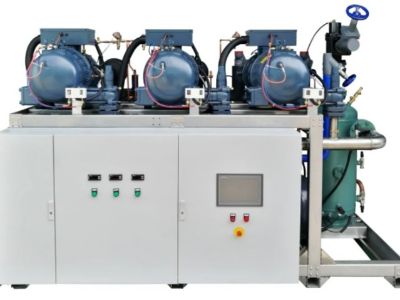
Energy Efficiency Ratings: Energy-efficient systems can lead to significant cost savings over time. Evaluate the equipment's energy consumption ratings and consider systems that utilize environmentally friendly refrigerants, such as REFRIGERATION UNITS.

Understanding these specifications can help buyers identify products that not only meet their immediate needs but also align with long-term operational goals.
Sourcing Quality Cold Storage Equipmen

Sourcing high-quality cold storage equipment requires careful consideration of suppliers. When evaluating potential manufacturers, review their production capabilities, quality control processes, and industry certifications. Look for suppliers that have experience in your specific application area, as they will have a better understanding of the unique challenges faced in food, pharmaceutical, or logistics sectors.

Requesting references or case studies can be invaluable in assessing a supplier's reliability and performance history. Additionally, inquire about customization options, as many manufacturers, including Shanghai Zhaoxue Refrigeration Co., Ltd., offer tailored solutions to meet unique business requirements.

Finally, understanding the lead times for production, delivery, and installation can help streamline your project timeline and ensure that you maintain operational efficiency.

Common Problems with Cold Storage and Effective Solutions to Address Them

Several common issues can arise with cold storage systems, and being aware of these can help in troubleshooting and maintenance:

Temperature Fluctuations: Consistent temperature monitoring is critical. If fluctuations occur, it may indicate a failing refrigeration unit or inadequate insulation. Implementing automated monitoring systems can help quickly identify and rectify these issues.

Energy Inefficiency: High energy bills can signal equipment inefficiencies. Regular maintenance checks and upgrading to energy-efficient models can mitigate this problem.

Moisture Accumulation: Excess moisture can lead to product spoilage and mold growth. Installing dehumidifiers or ensuring proper ventilation can help maintain optimal humidity levels.

Compliance Issues: Failure to meet regulatory standards can result in costly penalties. Regular audits and adhering to industry guidelines will help ensure compliance.

By proactively addressing these issues, businesses can maintain the integrity of their cold storage solutions and protect their investments.

Understanding Material Advantages in Cold Room and Freezer Room Construction

The materials chosen for cold room and freezer room construction significantly affect durability, efficiency, and maintenance.

Insulation Materials: Polyurethane foam is commonly used for its superior insulating properties, offering high thermal resistance while being lightweight. This can lead to lower operational costs due to enhanced energy efficiency.

Interior Finishes: Stainless steel is often preferred for its durability and ease of cleaning. Its resistance to corrosion is especially important in environments where sanitation is crucial, such as food and pharmaceutical industries.

Floor Materials: The flooring should be able to withstand cold temperatures and heavy loads. Options such as reinforced concrete or slip-resistant synthetic materials provide the necessary durability and safety.

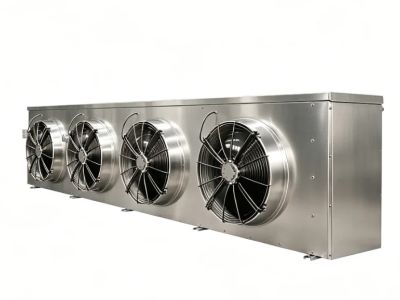
Refrigeration Components: The quality of the refrigeration system, including compressors and evaporators, directly impacts performance. Choosing components from reputable manufacturers ensures reliability and longevity.

Selecting the right materials will not only enhance the performance of your cold storage solution but also reduce maintenance costs and extend the lifespan of the equipment. Consider integrating IQF FREEZERS as part of your freezing solution for optimal results.

By understanding these critical aspects of cold room and freezer room selection, buyers can make informed decisions that align with their operational goals and ensure the integrity of their temperature-sensitive products.

Choosing the Right Cold Room and Freezer Room for Your Business Needs

Selecting the appropriate cold room or freezer room hinges on several factors, including the type of products being stored, required temperature ranges, and the volume of goods. For example, food products typically necessitate a temperature range of 0°C to -18°C, while pharmaceutical products may require even stricter controls to ensure potency and safety.

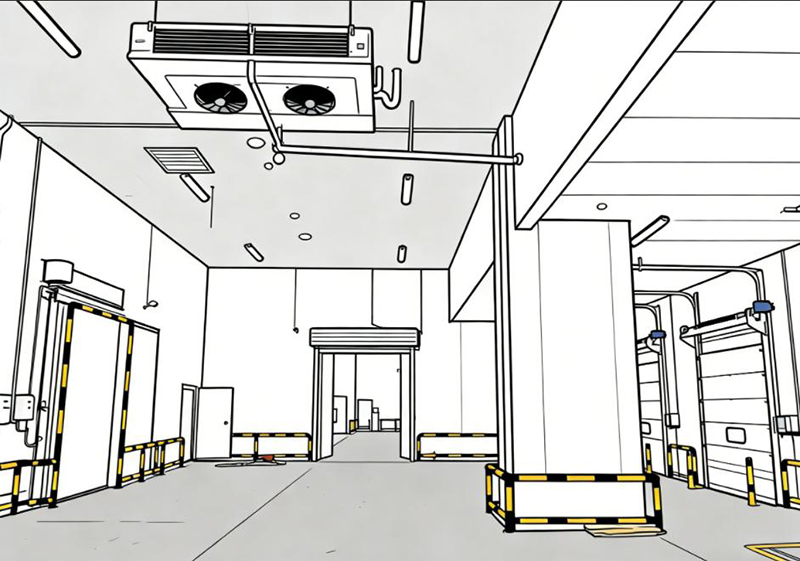
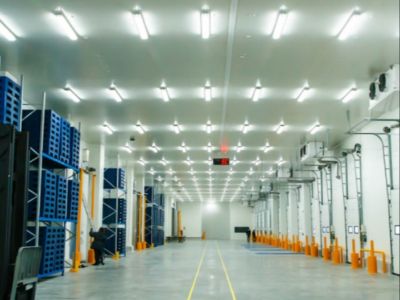
It’s also essential to consider the layout and accessibility of the cold storage facility. This includes the size of the room, door dimensions, and the flow of goods in and out of the space. Custom-engineered solutions, such as Cold Room, can optimize the design to improve workflow efficiency while maximizing storage capacity.

Before making a decision, potential buyers should assess their long-term needs, such as future expansion possibilities and automation requirements, which can significantly impact the initial design and ongoing operational costs.

Frequently Asked Questions

What types of cold rooms and freezer rooms do you offer?

We supply custom-engineered cold rooms, walk-in freezers, blast freezers, and modular insulated enclosures tailored for food, pharma, and logistics needs.
Yes. We design rooms to specific dimensions and temperature ranges, from chilled storage to deep-freeze, based on product and workflow requirements.
Yes. Integrated automation, remote monitoring, alarm systems, and data logging are available to ensure precise temperature control and compliance.
Our systems use high-efficiency compressors, insulated panels, and optimized controls to minimize energy use and operating costs while maintaining stable temperatures.
We provide installation, commissioning, spare parts, preventive maintenance plans, and technical support to ensure reliable long-term operation worldwide.

Our Blog Posts

10 Fascinating Facts About Cold Room You Never Knew!

12

Oct

10 Fascinating Facts About Cold Room You Never Knew!

The World's Largest "Refrigerator" Can Hold the Entire City of Rome. The global cold storage network is vast beyond imagination. For instance, the total storage capacity of one of North America's largest cold storage operators exceeds 400 million cub...
View More
how to set temperature in chiller

03

Nov

how to set temperature in chiller

Setting the correct temperature in a chiller is crucial for maintaining the quality and safety of sensitive products, especially in industries like food, pharmaceuticals, and logistics. This article will address key considerations for B2B buyers, inc...
View More
how to clean condensing unit

03

Nov

how to clean condensing unit

Cleaning a condensing unit is essential for maintaining the efficiency and longevity of refrigeration systems, particularly in industries like food processing, pharmaceuticals, and logistics. Proper cleaning helps prevent malfunctions, reduces energy...
View More
what does evaporator coil do

03

Nov

what does evaporator coil do

Understanding what an evaporator coil does is essential for anyone involved in the purchasing or maintenance of refrigeration systems. These coils play a crucial role in cooling processes by absorbing heat from the environment, making them indispensa...
View More

Leave a Message

Email
Name
Company Name
Message
0/1000

Related product categories