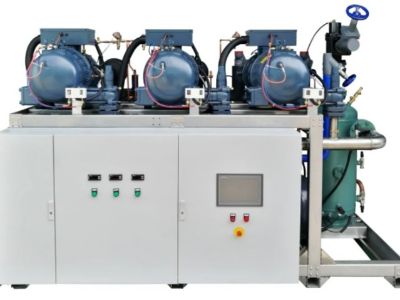
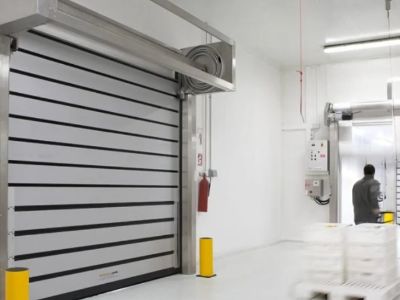
Choosing the Right Cool Room Chiller for Your Business

Let's Discuss Your Needs

Every great collaboration starts with a friendly chat.
We're here to help you figure things out and find the best way forward.
Company Name
Name
Email
WhatsApp
Mobile

cool room chiller

When considering a cool room chiller for your business, understanding the specific requirements and applications is crucial. A cool room chiller is designed to maintain low temperatures to preserve perishable goods, making it an essential component in various industries, including food service, pharmaceuticals, and logistics. Buyers often seek energy efficiency, reliability, and customization options to meet their unique operational needs. , we will explore how to choose the right cool room chiller, what features to look for, common problems and solutions, cost factors, and the applications in food and pharma industries.

What to Look For

When searching for a cool room chiller, several specifications and features should be prioritized. These include:

Temperature Control: Verify the temperature range and stability offered by the chiller. The ability to maintain consistent temperatures is vital for preserving product integrity.

Material Construction: Assess the materials used in the chiller's construction. Stainless steel is often preferred for its durability and resistance to corrosion, especially in food storage applications.

Insulation Quality: High-quality insulation minimizes thermal loss, which is essential for energy efficiency and maintaining desired temperatures. Look for chillers with thick insulation and high R-values.

Customization Options: Each business has unique needs. Inquire about customization capabilities, such as adjustable shelving, door configurations, and integration with existing systems. For example, the New Type Spiral Freezer offers various customization options that can enhance your storage solutions.

Automation Features: Automated systems can enhance efficiency. Consider chillers equipped with smart technology for monitoring temperature, humidity levels, and energy consumption.

Certification and Compliance: Ensure that the chiller meets relevant industry standards and regulations, particularly for food and pharmaceutical applications. This may include certifications for food safety and energy efficiency.
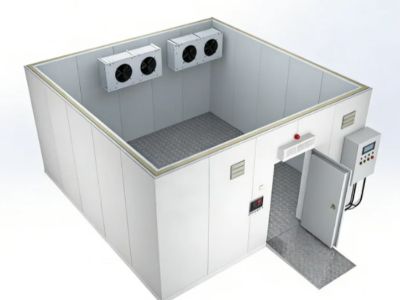
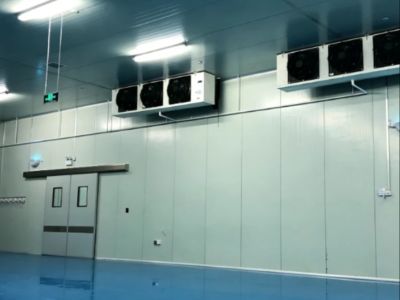
Common Problems with Cool Room Chillers and Effective Solutions

While cool room chillers are essential for maintaining product quality, they can encounter several common issues. Understanding these problems and their solutions can help buyers mitigate risks:

Temperature Fluctuations: Inconsistent temperatures can lead to spoilage. To address this, buyers should ensure regular maintenance checks on the thermostat and consider investing in chillers with redundant systems to provide backup in case of failures.

Insulation Failure: Over time, insulation may degrade, leading to increased energy costs and temperature instability. Regular inspections and prompt repairs or replacements of insulation materials are necessary to prevent these issues.

Mechanical Failures: Components such as compressors or fans can fail, causing operational downtime. Establish a relationship with a reliable service provider who can offer timely repairs and maintenance.

Condensation Issues: Excessive humidity can lead to condensation inside the cool room, affecting product quality. Incorporate dehumidifiers or ensure proper airflow design to combat this issue.

Understanding the Cost Factors of Cool Room Chiller Systems

The cost of a cool room chiller can vary significantly based on several factors. Buyers should consider the following when budgeting:

Initial Purchase Price: This includes the cost of the unit and any necessary installation fees. Customization options can also affect the initial investment.

Operating Costs: Energy consumption is a major ongoing expense. Look for energy-efficient models that can help reduce utility bills over time.

Maintenance Expenses: Regular maintenance is essential for optimal performance. Buyers should factor in the costs associated with routine inspections and any potential repairs.

Lifespan and Depreciation: Evaluate the expected lifespan of the chiller. Higher upfront costs may be justified by longer operational life and lower annual maintenance costs.

Compliance Costs: Depending on the industry, compliance with health and safety regulations may incur additional costs. Ensure the chiller meets all necessary certifications to avoid future expenses related to non-compliance.

Applications of Cool Room Chillers in Food and Pharma Industries

Cool room chillers play a critical role in both the food and pharmaceutical industries, each with specific applications:

Food Industry: In food service, cool room chillers are essential for storing perishable items such as meats, dairy products, and fresh produce. They help maintain food safety standards by ensuring that products remain at safe temperatures, preventing spoilage and contamination.

Pharmaceutical Industry: For pharmaceuticals, cool room chillers are vital in preserving temperature-sensitive medications and vaccines. They must adhere to strict regulatory standards, ensuring that products remain effective throughout their shelf life.

In both industries, the ability to customize cool room chillers to meet specific storage requirements enhances operational efficiency and product quality. Companies like Shanghai Zhaoxue Refrigeration Co., Ltd. specialize in manufacturing energy-efficient chillers tailored to the unique needs of their clients, ensuring that businesses can maintain compliance while optimizing performance. Additionally, utilizing systems like the Box-type air-cooled unit can further improve efficiency.

Understanding the intricacies of cool room chillers is crucial for any business in need of temperature-controlled storage solutions. By considering the factors discussed, buyers can make informed decisions that align with their operational needs, ultimately preserving product quality and enhancing business efficiency.

Choosing the Right Cool Room Chiller for Your Business Needs

Selecting the appropriate cool room chiller begins with assessing your specific business requirements. Factors to consider include the type of products being stored, the required temperature range, and the overall storage capacity needed. For instance, food products may require strict temperature controls to ensure freshness, while pharmaceutical products may necessitate even tighter temperature regulations to maintain efficacy. If you are looking for an effective solution, consider options like the Impingement Freezer that can provide additional temperature control.

Buyers should also evaluate the layout and dimensions of the intended storage space. A well-designed chiller should fit seamlessly into the available area while optimizing airflow and accessibility. Additionally, consider the operational environment—whether it will be in a high-traffic area or a remote part of a facility can affect the choice of materials and insulation.

Moreover, energy efficiency is a key concern for many businesses. Look for chillers that utilize advanced technologies, such as variable speed compressors and efficient insulation materials, to reduce energy consumption and operating costs over time.

Frequently Asked Questions

What is the cool room chiller used for?

Our cool room chiller maintains precise low temperatures for cold storage, freezing, or climate-controlled processing for food, pharmaceuticals, and logistics applications.
Yes. We design and automate chillers to match your required capacity, layout, temperature range, and control preferences.
Typical ranges cover refrigerated to low‑temperature freezing; exact achievable limits depend on model and project specifications provided during design.
Our chillers are built with energy-saving compressors and controls, optimized for low power consumption and long-term operational cost savings.
Yes. We offer global installation, commissioning, automation integration, and ongoing maintenance and technical support for the life of the system.

Our Blog Posts

what is the purpose of a cold room

03

Nov

what is the purpose of a cold room

The purpose of a cold room is essential for various industries, primarily focusing on the preservation and storage of temperature-sensitive products. This article delves into the role of cold rooms, specifically in the food industry, and provides ins...
View More
how to set cold room temperature

03

Nov

how to set cold room temperature

Setting the right cold room temperature is crucial for industries that rely on precise temperature control to maintain the quality and safety of their products. Whether you are in the food, pharmaceutical, or logistics sector, understanding how to se...
View More
how to clean condensing unit

03

Nov

how to clean condensing unit

Cleaning a condensing unit is essential for maintaining the efficiency and longevity of refrigeration systems, particularly in industries like food processing, pharmaceuticals, and logistics. Proper cleaning helps prevent malfunctions, reduces energy...
View More
what are the methods of food preservation

03

Nov

what are the methods of food preservation

Food preservation is a critical process for maintaining the quality and safety of perishable items, especially in the food industry. Understanding what are the methods of food preservation can help businesses minimize waste, ensure product integrity,...
View More

Leave a Message

Email
Name
Company Name
Message
0/1000

Related product categories