Key Specifications for Sourcing Cold Rooms

Let's Discuss Your Needs

Every great collaboration starts with a friendly chat.
We're here to help you figure things out and find the best way forward.
Company Name
Name
Email
WhatsApp
Mobile

coldrooms

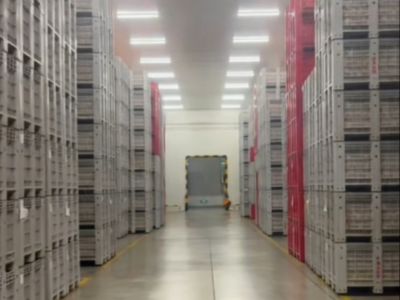
Cold rooms are essential for various industries, including food, pharmaceuticals, and logistics, as they offer controlled environments for temperature-sensitive products. When sourcing cold rooms, B2B buyers often face concerns regarding specifications, supplier reliability, installation requirements, and cost factors. This article will provide insights into key specifications to consider, how to evaluate suppliers, installation requirements, quality control measures, and cost considerations when purchasing cold storage solutions.

Evaluating Cold Room Suppliers Effectively

Choosing the right supplier is critical to ensuring the reliability and performance of your cold storage solution. Here are some guidelines for evaluating potential suppliers:

Experience and Reputation: Look for suppliers with a proven track record in manufacturing cold rooms. Experienced suppliers are more likely to understand industry standards and best practices. Research customer reviews and case studies to gauge reputation.

Quality Certifications: Verify if the supplier holds relevant quality certifications, such as ISO 9001. These certifications indicate that the supplier adheres to established quality management practices, which is essential for ensuring the integrity of cold storage products.

Customization Capabilities: Assess the supplier's ability to provide customized solutions. This includes their flexibility in design modifications, material choices, and additional features that cater to specific industry requirements.

Service and Support: Evaluate the level of customer service and technical support offered by the supplier. Reliable after-sales support, including maintenance and troubleshooting, is vital for minimizing downtime.

Lead Times and Delivery: Inquire about the supplier’s production lead times and delivery schedules. Timely delivery is crucial for minimizing disruption to your operations.
Understanding Installation Requirements for Cold Storage Rooms

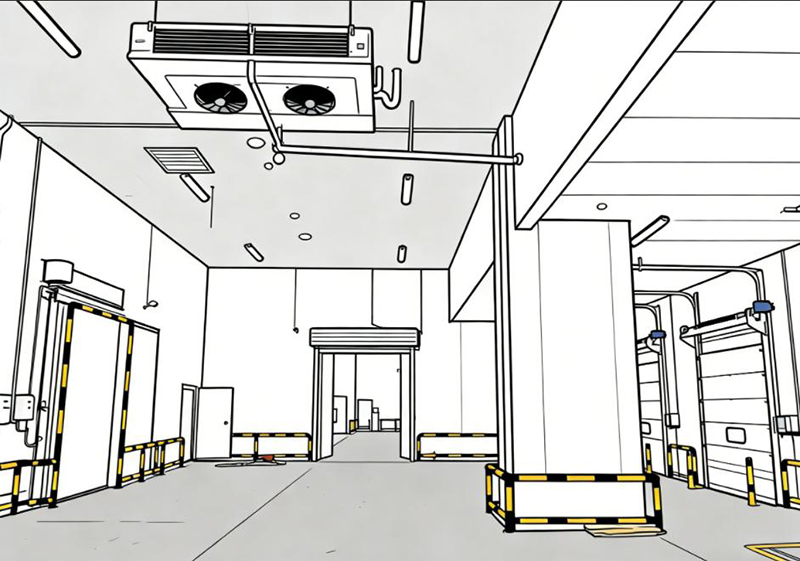
Proper installation is critical for the effective operation of cold rooms. Here are some key installation considerations:

Site Preparation: Ensure that the installation site is adequately prepared to accommodate the cold room. This includes evaluating flooring conditions, space for access, and compliance with local regulations.

Electrical and Refrigeration Connections: Cold rooms require specific electrical and refrigeration setups. Ensure that the necessary infrastructure is in place, including power supply and refrigerant lines, to support the cold room's operation.

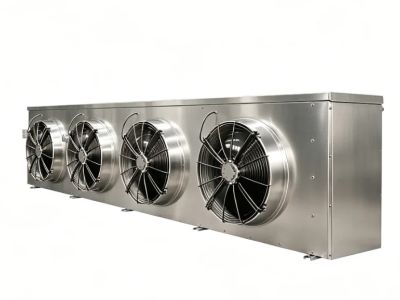
Airflow and Ventilation: Proper airflow is essential for maintaining uniform temperatures within the cold room. Consider the placement of air ducts and ventilation systems during installation to avoid hotspots or cold spots.

Temperature Monitoring Systems: Installing temperature monitoring systems can enhance operational efficiency and compliance with safety regulations. These systems can provide real-time data and alerts for temperature fluctuations.

Training for Staff: Once the cold room is installed, providing training for staff on its operation and maintenance is vital. This ensures optimal performance and extends the lifespan of the equipment.

Quality Control Measures in Cold Room Manufacturing Explained

Quality control is a fundamental aspect of cold room manufacturing that ensures reliability and performance. Here are some common quality control measures:

Material Inspection: Before production, all materials should undergo rigorous inspection to ensure they meet specified standards. This includes checking for defects in insulation, structural components, and finishes.

In-Process Testing: During manufacturing, regular checks should be conducted to ensure adherence to specifications. This may include testing insulation integrity and verifying temperature control systems.

Final Product Testing: After assembly, cold rooms should undergo comprehensive testing to confirm they meet performance criteria. This includes running the unit at various temperatures and checking for proper air circulation.

Documentation and Certification: Manufacturers should provide documentation detailing the quality control processes followed, as well as certifications that validate compliance with industry standards. This builds trust with buyers regarding product quality.

Feedback Mechanisms: Implementing systems for gathering customer feedback on product performance can help manufacturers identify areas for improvement and enhance future product offerings.

Cost Factors to Consider When Buying Cold Storage Solutions

Understanding the cost factors associated with cold storage solutions is vital for budget planning. Here are key cost considerations:

Initial Purchase Price: The upfront cost of the cold room will depend on specifications such as size, materials, and customization. It’s essential to balance initial costs with long-term operational efficiency.

Installation Costs: Factor in installation costs, including site preparation, electrical work, and any necessary modifications to existing infrastructure. Proper installation can prevent future operational issues and costs.

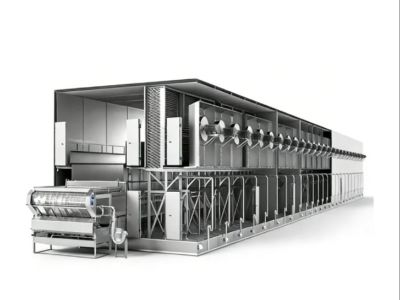
Operational Costs: Assess ongoing operational costs, including energy consumption, maintenance, and potential repairs. Energy-efficient designs can lead to significant savings over time, such as those offered by Tunnel Freezer solutions.

Warranty and Service Agreements: Consider the cost of warranty coverage and service agreements. Comprehensive service contracts can mitigate unexpected repair costs and downtime.

Financing Options: Explore financing options that may be available, as they can help spread the cost of the investment over time, making it more manageable for your budget.

By addressing these key specifications, supplier evaluation criteria, installation requirements, quality control measures, and cost factors, B2B buyers can make informed decisions when sourcing cold rooms. Understanding these aspects not only enhances the purchasing process but also ensures optimal performance and reliability in cold storage applications.

Key Specifications to Consider When Sourcing Cold Rooms

When sourcing cold rooms, several key specifications must be evaluated to ensure that the solution meets your operational needs. The following factors are crucial:

Temperature Range: Cold rooms are designed to maintain specific temperature ranges depending on the products stored. For example, food storage may require temperatures between 0°C to 4°C, while pharmaceuticals might need lower temperatures. Understanding the required temperature range is essential for selecting the right cold room.

Insulation Thickness: The insulation thickness directly affects energy efficiency and temperature stability. A thicker insulation layer typically results in lower energy costs and better temperature retention. Buyers should verify insulation materials and thickness to ensure they meet industry standards.

Material Selection: Cold rooms can be constructed from various materials, including stainless steel, galvanized steel, and composite panels. The choice of material impacts durability, maintenance, and thermal performance. For instance, stainless steel is often preferred in food storage applications due to its resistance to corrosion and ease of cleaning. Additionally, exploring options like Self-stacking Spiral Freezers can also enhance operational efficiency.

Size and Layout: The dimensions of the cold room should match the available space and the volume of products to be stored. A proper layout facilitates efficient workflow and access to stored goods.

Custom Features: Depending on the application, buyers may require additional features such as humidity control, air circulation systems, or shelving options. Custom-engineered solutions can be tailored to specific operational needs, and options like Cooling Rooms can provide additional flexibility.

Frequently Asked Questions

What sizes of coldrooms do you offer?

We supply custom-engineered coldrooms in a wide range of sizes, from small blast chillers to large cold storage warehouses, tailored to your capacity and space requirements.
Yes. We design automated coldrooms for food, pharmaceutical and logistics needs, with specific temperature zones, shelving, and sanitation features per industry standards.
Our coldrooms use high-efficiency compressors, advanced insulation panels, variable-speed controls and smart monitoring to reduce energy consumption and operating costs.
Yes. We handle site assessment, professional installation, commissioning, staff training and offer maintenance contracts and remote monitoring support worldwide.
Absolutely. Our systems deliver precise temperature and humidity control, automated logging and alarms to comply with food safety and pharmaceutical storage regulations.

Our Blog Posts

10 Fascinating Facts About Cold Room You Never Knew!

12

Oct

10 Fascinating Facts About Cold Room You Never Knew!

The World's Largest "Refrigerator" Can Hold the Entire City of Rome. The global cold storage network is vast beyond imagination. For instance, the total storage capacity of one of North America's largest cold storage operators exceeds 400 million cub...
View More
what does evaporator coil do

03

Nov

what does evaporator coil do

Understanding what an evaporator coil does is essential for anyone involved in the purchasing or maintenance of refrigeration systems. These coils play a crucial role in cooling processes by absorbing heat from the environment, making them indispensa...
View More
controlled atmosphere storage of fruits and vegetables

03

Nov

controlled atmosphere storage of fruits and vegetables

Controlled atmosphere storage of fruits and vegetables is a critical component in preserving the quality and extending the shelf life of produce. These specialized storage solutions regulate temperature, humidity, and gas composition to slow down rip...
View More
what are the advantages of food preservation

03

Nov

what are the advantages of food preservation

Food preservation is a critical process that extends the shelf life of perishable goods such as fruits, vegetables, meats, and dairy products. Understanding the advantages of food preservation can greatly benefit businesses in the food industry, incl...
View More

Leave a Message

Email
Name
Company Name
Message
0/1000

Related product categories