EN

Cold room freezers are essential for businesses in the food, pharmaceutical, and logistics sectors, ensuring products are stored at optimal temperatures to maintain quality and safety. When searching for a cold room freezer for sale, B2B buyers often have concerns about specifications, energy efficiency, and installation requirements. This article will guide you through the key considerations in selecting the right cold room freezer for your wholesale applications, from specifications and quality evaluation to installation and common issues.
Key Specifications to Consider When Buying Cold Room Freezers
When evaluating cold room freezers, focus on the following key specifications:
Temperature Range: The ideal temperature range varies depending on your stored products. Typically, food storage requires temperatures between -18°C to -25°C, while pharmaceuticals may need colder environments.
Insulation Thickness: Insulation affects energy efficiency and temperature maintenance. A thicker insulation layer generally provides better thermal performance, reducing energy costs and preventing temperature fluctuations.
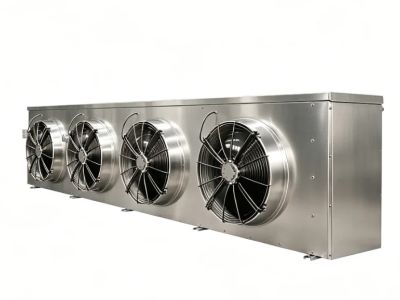
Construction Materials: Stainless steel is a preferred material for durability and hygiene. Ensure that all materials used comply with industry standards for your specific application.
Cooling System Type: Choose between direct expansion systems and chilled water systems based on your operational scale and efficiency needs. Direct expansion systems are usually more energy-efficient for smaller applications, while chilled water systems may be preferable for larger facilities.
Energy Efficiency Ratings: Look for energy-efficient models, as they can lead to significant cost savings over time. Check for certifications like Energy Star or similar standards relevant to your region.
Understanding these specifications is critical as they directly impact the performance, operational costs, and compliance of your cold room freezer.