Best Room Chillers: Key Specifications & Efficiency

Let's Discuss Your Needs

Every great collaboration starts with a friendly chat.
We're here to help you figure things out and find the best way forward.
Company Name
Name
Email
WhatsApp
Mobile

best room chillers

When it comes to maintaining ideal temperatures in various environments, the choice of the best room chillers is critical for businesses in sectors like food, pharmaceuticals, and logistics. These systems not only ensure product quality but also help in optimizing energy consumption. This article addresses key buyer concerns such as performance specifications, energy efficiency, installation requirements, applications across industries, and the material advantages of high-quality room chillers. By understanding these factors, purchasing managers and other decision-makers can make informed choices that align with their operational needs.

How to Compare Energy Efficiency in Different Room Chiller Models

Energy efficiency is a critical consideration for buyers looking for the best room chillers. When comparing models, look for the Energy Star certification, which indicates that a unit meets or exceeds energy efficiency guidelines set by the U.S. Environmental Protection Agency.

Additionally, examine the EER and Seasonal Energy Efficiency Ratio (SEER). While EER measures efficiency under specific conditions, SEER provides a more comprehensive overview of performance throughout varying seasonal temperatures.

Another aspect to consider is the use of variable speed compressors, which adjust cooling output based on current demand. This technology not only enhances energy efficiency but also contributes to longer equipment life by reducing wear and tear. For advanced freezing solutions, you might also be interested in our IQF FREEZERS.

Buyers should also calculate the total cost of ownership, factoring in initial purchase price, expected energy costs, and maintenance expenses over the unit's lifespan. This holistic view will aid in making a more informed purchasing decision.
Understanding Installation Requirements for Your Room Chiller System

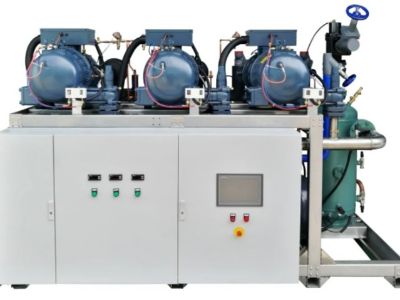
Proper installation is crucial for the performance of room chillers. Buyers should consider several installation requirements to ensure optimal functionality.

Space Considerations: Evaluate the available space for the chiller, ensuring it meets the necessary dimensions for both the unit and any required airflow. Adequate ventilation is essential to prevent overheating and ensure efficient operation.

Power Supply: Room chillers may require specific electrical configurations, including voltage and phase requirements. Buyers should confirm compatibility with their existing power supply systems to avoid costly modifications.

Plumbing and Drainage: Many models will require connection to a drainage system for condensate removal. Ensure that plumbing specifications are met to prevent leaks and operational issues.

Professional Installation: Engaging experienced technicians for installation is advised. Improper installation can lead to inefficiencies, void warranties, and may complicate future maintenance.

Applications of Room Chillers Across Various Industries and Sectors

Room chillers have diverse applications across multiple industries, each requiring specific features and capabilities.

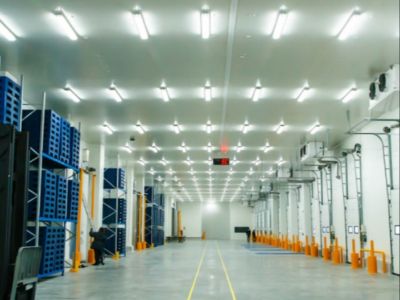
Food Industry: In food processing and storage, maintaining precise temperatures is vital to preserve product quality and safety. Room chillers are used in refrigeration warehouses, cold storage rooms, and retail display cases to ensure compliance with health regulations.

Pharmaceutical Sector: These chillers are critical in the pharmaceutical industry, where maintaining strict temperature controls is necessary for storing vaccines, medicines, and other sensitive products. Compliance with regulatory standards is paramount, and room chillers must be able to provide consistent performance under varying conditions.

Logistics and Transportation: In logistics, room chillers are essential for temperature-controlled transport solutions. Ensuring that goods remain within specific temperature ranges during transit is key to quality assurance.

Industrial Applications: Various industrial processes also benefit from room chillers, particularly in manufacturing settings that require temperature regulation for equipment or processes, ensuring optimal performance and safety.

Material Advantages of High-Quality Room Chillers for Longevity

The materials used in the construction of room chillers significantly influence their durability and overall performance. High-quality materials can enhance the lifespan of the equipment and reduce maintenance needs.

Corrosion-Resistant Coatings: Many chillers are constructed with materials that resist corrosion, such as stainless steel or specialized coatings. This is particularly important in environments with high humidity or exposure to various chemicals.

Insulation Quality: The effectiveness of insulation materials affects the energy efficiency of the chiller. High-performance insulation reduces heat transfer, maintaining internal temperatures while reducing energy consumption.

Refrigerants: The choice of refrigerant can also impact the efficiency and environmental footprint of room chillers. Eco-friendly refrigerants are becoming more popular, and manufacturers should be able to provide information on their refrigerant choices and compliance with environmental regulations.

In summary, selecting the best room chillers involves a thorough understanding of specifications, energy efficiency, installation requirements, and material advantages. By considering these factors, purchasing managers and decision-makers can make informed choices that align with their operational needs and sustainability goals.

Key Specifications for Evaluating the Quality of Room Chillers

When assessing room chillers, key specifications play a vital role in determining their effectiveness. Important factors include cooling capacity, temperature range, energy efficiency ratio (EER), and noise levels.

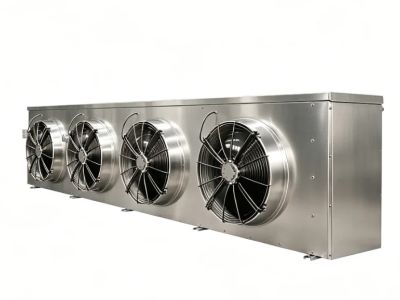
Cooling Capacity: This is typically measured in BTUs (British Thermal Units) or kW and indicates the amount of heat a chiller can remove from a space. Selecting a model with the right cooling capacity is crucial; an undersized unit may struggle to maintain desired temperatures, while an oversized system can lead to inefficient operation and increased costs. For optimal cooling solutions, consider exploring our REFRIGERATION UNITS.

Temperature Range: Room chillers should operate effectively within specific temperature ranges, which are determined based on the type of goods being stored. For instance, food storage may require temperatures between 0°C to 4°C, while pharmaceutical applications might demand stricter parameters.

Energy Efficiency Ratio (EER): A higher EER indicates better energy efficiency. This is essential for reducing operational costs and minimizing environmental impact. Buyers should evaluate this specification closely, as energy-efficient models often lead to significant savings over time.

Noise Levels: This specification is particularly important in environments where noise can affect operations or employee comfort. Chillers with lower decibel ratings should be prioritized in sensitive areas.

Frequently Asked Questions

What is a room chiller and how does it work?

A room chiller is a climate control unit that removes heat to maintain set temperatures. Our systems use efficient compressors, evaporators, and controls to circulate refrigerant and cool air for cold storage, freezers, or processing rooms.
Yes. We design custom-engineered chillers tailored to your room size, load, product type, and automation needs, ensuring optimal performance for food, pharma, or logistics applications.
Our chillers include high-efficiency compressors, optimized heat exchangers, variable-speed drives, and intelligent controls to reduce power use and operating costs while maintaining reliable temperatures.
Yes. We offer full project support: site assessment, installation, commissioning, training, and global maintenance contracts for long-term performance and uptime.
Provide room dimensions, desired temperature, insulation details, and product load. Our engineers will calculate required capacity and recommend controls and automation for accurate, energy-efficient operation.

Our Blog Posts

how to set temperature in chiller

03

Nov

how to set temperature in chiller

Setting the correct temperature in a chiller is crucial for maintaining the quality and safety of sensitive products, especially in industries like food, pharmaceuticals, and logistics. This article will address key considerations for B2B buyers, inc...
View More
how to clean condensing unit

03

Nov

how to clean condensing unit

Cleaning a condensing unit is essential for maintaining the efficiency and longevity of refrigeration systems, particularly in industries like food processing, pharmaceuticals, and logistics. Proper cleaning helps prevent malfunctions, reduces energy...
View More
what does evaporator coil do

03

Nov

what does evaporator coil do

Understanding what an evaporator coil does is essential for anyone involved in the purchasing or maintenance of refrigeration systems. These coils play a crucial role in cooling processes by absorbing heat from the environment, making them indispensa...
View More
what are the methods of food preservation

03

Nov

what are the methods of food preservation

Food preservation is a critical process for maintaining the quality and safety of perishable items, especially in the food industry. Understanding what are the methods of food preservation can help businesses minimize waste, ensure product integrity,...
View More

Leave a Message

Email
Name
Company Name
Message
0/1000

Related product categories