Choosing the Right Cold Room Freezer for Your Business

Let's Discuss Your Needs

Every great collaboration starts with a friendly chat.
We're here to help you figure things out and find the best way forward.
Company Name
Name
Email
WhatsApp
Mobile

cold room freezer

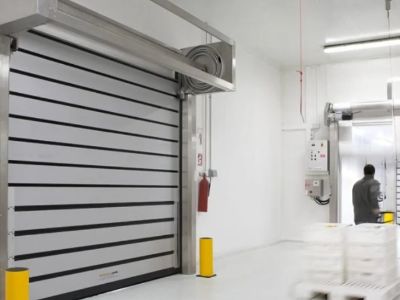
Cold room freezers are essential for businesses that require controlled temperature environments for the storage of perishable goods, pharmaceuticals, and other temperature-sensitive products. Selecting the right cold room freezer can significantly impact operational efficiency, product quality, and compliance with industry regulations. This article will guide you through the crucial aspects to consider when sourcing cold room freezers, including specifications, common issues, and cost factors, helping you make an informed purchasing decision.

Key Specifications to Consider When Sourcing Cold Room Freezers

When sourcing cold room freezers, several key specifications should be closely examined:

Temperature Range: Different applications require specific temperature ranges. Ensure the freezer can maintain the necessary temperatures for your products. For example, food items typically require lower temperatures than pharmaceuticals.

Insulation Thickness: Higher insulation thickness improves energy efficiency and temperature stability. Common materials include polyurethane foam, which offers a good balance between insulation properties and cost.

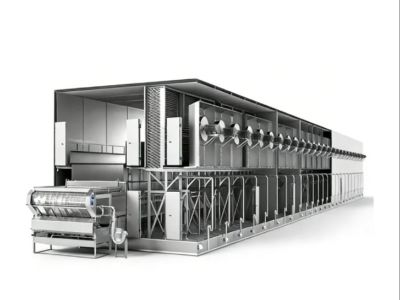
Cooling Capacity: This refers to the amount of heat the unit can remove per hour. It’s essential to ensure that the cooling capacity aligns with your storage needs, factoring in the expected load of products being added to the freezer. Consider using a Self-stacking Spiral Freezer for efficient cooling capacity management in high-demand scenarios.

Dimensions: Consider the space available for installation. Measure the area where the cold room freezer will be placed, and ensure there is adequate space for ventilation and door clearance.

Energy Efficiency: Look for units with energy-efficient compressors and insulation materials to reduce operational costs. Certifications such as Energy Star can also indicate higher efficiency.

Control System: Advanced control systems allow for precise temperature monitoring and adjustments. Features like remote monitoring can enhance operational oversight.

By considering these specifications, you can select a cold room freezer that aligns with your business's operational needs and budget.
Common Problems with Cold Room Freezers and Their Solutions

Cold room freezers are complex systems, and issues can arise during operation. Some common problems include:

Temperature Fluctuations: This can occur due to inadequate insulation or malfunctioning sensors. Regular maintenance and calibration of sensors are essential to prevent this issue. Ensure that your supplier provides support for monitoring and maintaining temperature stability.

Frost Build-Up: Excessive frost can impact efficiency. This is often due to high humidity levels or frequent door openings. Utilizing door seals and dehumidifiers can help mitigate this problem.

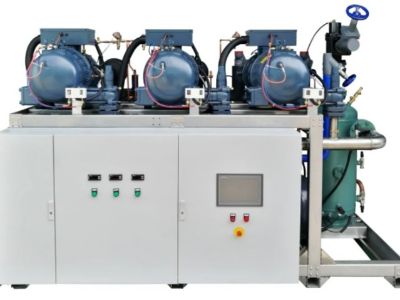
Compressor Failures: Compressors are crucial for cooling. Regular checks and maintenance of the compressor ensure longevity. It’s advisable to choose models with reliable, high-quality compressors, and to have a service plan in place.

Power Supply Issues: Unexpected power outages can lead to temperature spikes. Implementing a backup power solution, such as a generator, can safeguard against potential losses.

Understanding these common issues allows buyers to proactively address potential challenges, ensuring smoother operations and minimizing product loss.

Understanding the Cost Factors of Cold Room Freezers

The cost of cold room freezers can vary widely based on several factors:

Size and Capacity: Larger units naturally cost more. Assess your storage needs accurately to avoid overpaying for excess capacity.

Customization: Tailored solutions can increase costs. However, investing in customization may lead to long-term savings in operational efficiency.

Energy Efficiency: While energy-efficient models may have a higher upfront cost, they often lead to lower operational costs over time, making them a more economical choice in the long run.

Installation and Maintenance: Consider the costs associated with installation and routine maintenance. Some suppliers offer comprehensive service contracts that can simplify budgeting.

Quality of Components: Higher-quality materials and components often lead to increased upfront costs but can result in better durability and reduced maintenance needs.

By understanding these factors, buyers can prepare for a more accurate budget and assess the total cost of ownership for their cold room freezer.

Where to Find Reliable Suppliers for Cold Room Freezers

Finding a reliable supplier is critical for ensuring quality and service. Here are some steps to identify trustworthy manufacturers:

Industry Reputation: Research suppliers with a proven track record in the refrigeration industry. Look for customer reviews, case studies, and testimonials that highlight their expertise.

Certifications: Verify if the manufacturer holds relevant certifications that demonstrate compliance with industry standards, such as ISO certifications for quality management.

Customization Capabilities: Assess whether the supplier can offer customized solutions that fit your specific operational needs. A supplier with flexible manufacturing capabilities can better accommodate unique requirements.

After-Sales Support: A reliable supplier should provide comprehensive after-sales support, including maintenance services and warranty options. This ensures that any issues can be promptly addressed.

Export Experience: If your business operates globally, ensure the supplier has experience in international shipping and compliance with various regulations.

By evaluating suppliers based on these criteria, you can establish a partnership that supports your operational goals and ensures the quality of your cold room freezer investment.

When sourcing a cold room freezer, the combination of understanding specific business needs, evaluating key specifications, and ensuring reliable supplier relationships will lead to informed purchasing decisions that enhance operational efficiency and product integrity.

Choosing the Right Cold Room Freezer for Your Business Needs

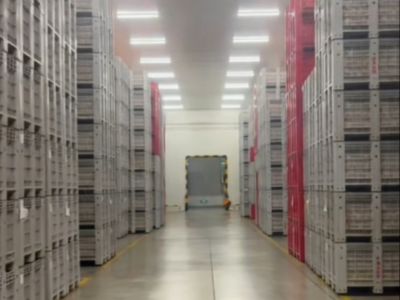
When selecting a cold room freezer, it’s vital to consider your specific business requirements. Factors such as the type of goods to be stored, the required temperature range, and the anticipated storage capacity must be evaluated. For instance, a pharmaceutical company might need a cold room freezer that maintains temperatures between 2°C and 8°C, while a food processing facility may require freezing temperatures of -18°C or lower. Additionally, options like the Cold Room can offer tailored solutions for various storage needs.

Customization options are also critical. Many manufacturers, including Shanghai Zhaoxue Refrigeration Co., Ltd., offer tailored solutions that can accommodate unique business needs, such as specialized shelving, automated storage systems, or enhanced insulation materials to improve energy efficiency. Understanding the operational environment—such as humidity levels, accessibility, and space constraints—will further guide your selection, ensuring that the cold room freezer meets all necessary operational demands.

Frequently Asked Questions

What temperature range can the cold room freezer maintain?

Our cold room freezers are engineered to maintain temperatures from -40°C to +10°C, customizable per application for frozen, chilled, or controlled conditions.
Yes. We provide custom-engineered designs meeting food and pharmaceutical standards, including controlled humidity, shelving, and workflow automation.
We use high-efficiency compressors, optimized insulation, and intelligent control systems to minimize energy use while maintaining consistent temperatures.
Yes. We deliver turnkey solutions including site assessment, installation, startup, testing, and staff training to ensure reliable operation.
We offer scheduled maintenance, remote monitoring options, spare parts supply, and global technical support to maximize uptime and equipment life.

Our Blog Posts

how to clean condensing unit

03

Nov

how to clean condensing unit

Cleaning a condensing unit is essential for maintaining the efficiency and longevity of refrigeration systems, particularly in industries like food processing, pharmaceuticals, and logistics. Proper cleaning helps prevent malfunctions, reduces energy...
View More
controlled atmosphere storage of fruits and vegetables

03

Nov

controlled atmosphere storage of fruits and vegetables

Controlled atmosphere storage of fruits and vegetables is a critical component in preserving the quality and extending the shelf life of produce. These specialized storage solutions regulate temperature, humidity, and gas composition to slow down rip...
View More
what are the methods of food preservation

03

Nov

what are the methods of food preservation

Food preservation is a critical process for maintaining the quality and safety of perishable items, especially in the food industry. Understanding what are the methods of food preservation can help businesses minimize waste, ensure product integrity,...
View More
what are the advantages of food preservation

03

Nov

what are the advantages of food preservation

Food preservation is a critical process that extends the shelf life of perishable goods such as fruits, vegetables, meats, and dairy products. Understanding the advantages of food preservation can greatly benefit businesses in the food industry, incl...
View More

Leave a Message

Email
Name
Company Name
Message
0/1000

Related product categories