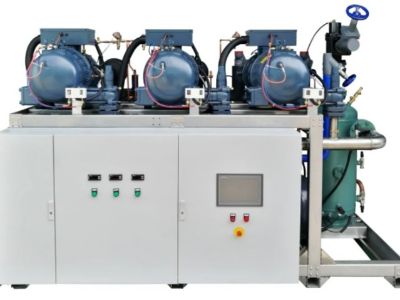
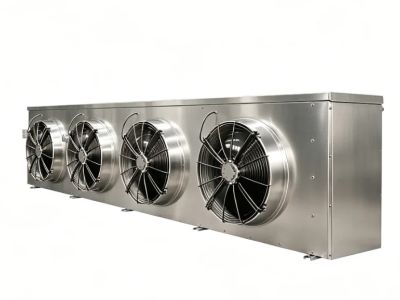
Quality Cold Rooms for Sale: Key Considerations

Let's Discuss Your Needs

Every great collaboration starts with a friendly chat.
We're here to help you figure things out and find the best way forward.
Company Name
Name
Email
WhatsApp
Mobile

cold room for sale

When considering a cold room for sale, it’s essential to understand the various factors that influence the selection process. Cold rooms are critical for industries such as food storage, pharmaceuticals, and logistics, serving as temperature-controlled environments designed to preserve perishable items. Buyers often seek energy efficiency, customization options, and reliable performance. This article will guide you through the key considerations for selecting, evaluating, and installing cold storage solutions, aimed at helping you make informed purchasing decisions.

How to Evaluate the Quality of Cold Rooms for Bulk Purchase

Quality in cold storage solutions can be evaluated through several key aspects:

Materials and Construction: Assess the materials used in the cold room's construction. High-quality insulation materials (like polyurethane) help maintain temperature and reduce energy consumption. The durability of the external structure is equally important for long-term operation.

Manufacturing Processes: Understand the manufacturing capabilities of your supplier. A reputable manufacturer should have a robust quality control process in place, ensuring that each unit meets specific performance standards.

Certifications and Standards: Check for any relevant certifications that demonstrate compliance with safety and environmental standards. These certifications provide assurance regarding the reliability and quality of the product.

Customer Reviews and Case Studies: Research customer testimonials or case studies of similar installations. This can give insight into the product's performance and the supplier's service quality.

After-Sales Support: Evaluate the level of after-sales support provided. A manufacturer that offers maintenance services and quick response times can significantly enhance the longevity of your cold room. Additionally, consider the use of Tunnel Freezers that may also come with comprehensive support services.

By thoroughly evaluating these quality indicators, you can make a more informed choice that aligns with your operational requirements.
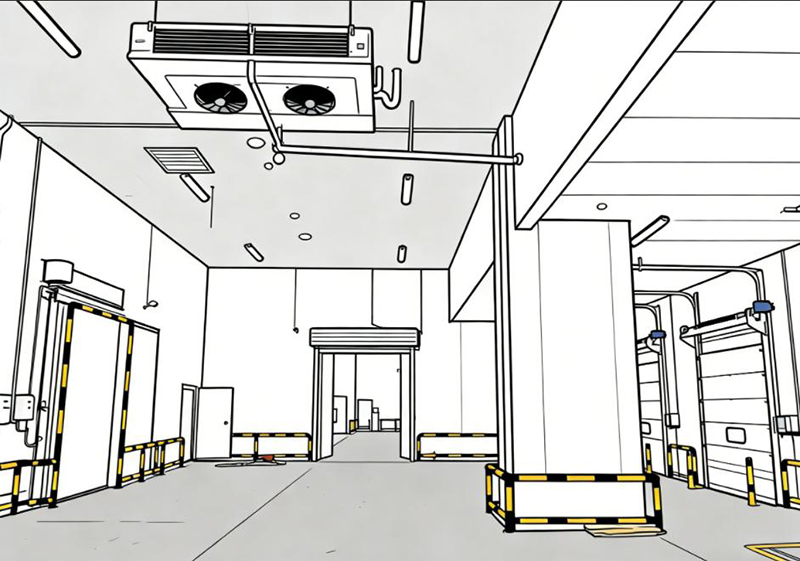
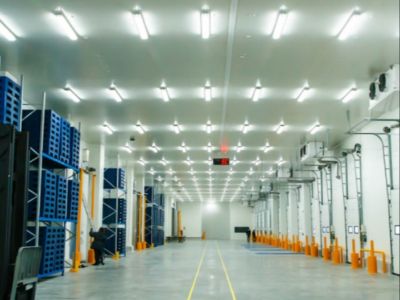
What to Know

For businesses looking to purchase cold rooms in bulk, it is essential to consider the following:

Minimum Order Quantity (MOQ): Different manufacturers have varying MOQs, which can impact your budget and planning. Understand the MOQ and how it fits into your overall purchasing strategy.

Bulk Pricing: Inquire about pricing structures for wholesale purchases. Many suppliers offer discounts for larger orders, which can result in significant cost savings.

Lead Time: Confirm the lead time for production and delivery. Cold rooms often require custom specifications, which can affect how quickly you receive your order. Ensure that the timeline aligns with your operational needs.

Customization for Bulk Orders: When ordering multiple units, discuss customization options that can be standardized across all units. This can streamline installation and operation.

Logistics and Delivery: Plan for the logistics of transporting cold rooms, especially if they are being shipped internationally. Understand how the manufacturer handles shipping, including packaging and compliance with export regulations.

By focusing on these wholesale aspects, you can effectively manage costs and logistics for your cold storage needs.

Common Problems with Cold Rooms and Effective Solutions

Proper installation of your cold room is critical to ensure optimal performance. Here are key steps to follow:

Site Preparation: Ensure that the installation site is adequately prepared. This includes verifying that the flooring can support the weight of the cold room and that there is sufficient access for delivery and installation.

Electrical and Plumbing Considerations: Assess the electrical and plumbing requirements necessary for the cold room's operation. Ensure that your site can accommodate these needs before installation begins.

Manufacturer Instructions: Follow the specific installation guidelines provided by the manufacturer. This is crucial for maintaining warranty coverage and ensuring that the system operates as intended.

Testing Before Use: Once installed, conduct a thorough test of the cold room to ensure it reaches the desired temperature range efficiently. Monitor the system for any irregularities during the initial operation phase.

Training Staff: Train your staff on how to operate and maintain the cold room. This includes understanding temperature monitoring systems, maintenance schedules, and safety protocols.

By adhering to these installation guidelines, you can maximize the efficiency and lifespan of your cold storage solution.

How to Compare Cold Room Options for Your Project Requirements

Cold rooms, while robust, can experience issues that may affect their performance. Here are common problems and how to address them:

Temperature Fluctuations: Inconsistent temperatures can arise from inadequate insulation or malfunctioning refrigeration units. Regularly check seals and insulation integrity, and schedule maintenance checks with your supplier to ensure the refrigeration unit functions correctly.

Condensation Issues: Excess moisture can lead to condensation, impacting stored goods. Ensure proper airflow within the cold room and consider installing dehumidifiers if necessary.

Electrical Failures: Power outages or electrical failures can compromise the temperature stability of your cold room. Implement back-up power solutions or generators to maintain temperature during outages.

Pest Infestations: Regularly inspect for any signs of pest activity, as cold rooms can be susceptible to infestations if not properly sealed. Immediate action should be taken if any pests are detected, including sealing entry points and employing pest control measures.

User Mismanagement: Staff training is essential to prevent mishaps, such as leaving doors open or overloading shelves. Establish clear operational protocols to mitigate human errors.

By proactively addressing these common issues, you can ensure the longevity and reliability of your cold room, safeguarding your investments and products.

What to Consider When Choosing a Cold Room for Sale

When choosing a cold room for sale, several critical factors must be assessed:

Size and Capacity: Determine the volume of goods you intend to store. Cold rooms must be large enough to accommodate your inventory while allowing for efficient airflow and organization.

Temperature Requirements: Different applications require specific temperature ranges. For instance, food storage may need temperatures between -18°C and 4°C, while pharmaceutical products might require stricter conditions. Confirm your temperature needs with the supplier.

Customization Options: Many manufacturers, including Shanghai Zhaoxue Refrigeration Co., Ltd., offer customizable solutions tailored to specific requirements. Consider features like shelving, access points, and automated systems that can enhance efficiency. For instance, exploring options like Self-stacking Spiral Freezers can provide innovative storage solutions.

Energy Efficiency: Look for energy-efficient models that reduce operational costs. These often incorporate advanced insulation materials and efficient refrigeration technologies.

Regulatory Compliance: Ensure that the cold room meets any industry-specific regulations, such as food safety standards or pharmaceutical guidelines.

By defining these parameters, you can narrow down your options and find a cold room that suits your business needs.

Frequently Asked Questions

What cold room models do you offer for sale?

We provide custom-engineered cold rooms, walk-ins, blast freezers and modular cold storage tailored to food, pharma, and logistics needs with varying temperature ranges and sizes.
Yes. We design and build bespoke cold rooms with precise temperature control, insulation thickness, and layout to meet product, throughput and regulatory requirements.
Yes. Our cold rooms use energy-efficient compressors, insulation and control systems with optional automation for monitoring, alarms and remote management.
We offer site assessment, installation, commissioning, staff training and global after-sales support including maintenance contracts and spare parts supply.
Yes. We engineer cold rooms to meet pharmaceutical temperature stability and traceability needs with calibrated controls, alarms and documentation options for compliance.

Our Blog Posts

10 Fascinating Facts About Cold Room You Never Knew!

12

Oct

10 Fascinating Facts About Cold Room You Never Knew!

The World's Largest "Refrigerator" Can Hold the Entire City of Rome. The global cold storage network is vast beyond imagination. For instance, the total storage capacity of one of North America's largest cold storage operators exceeds 400 million cub...
View More
how to set temperature in chiller

03

Nov

how to set temperature in chiller

Setting the correct temperature in a chiller is crucial for maintaining the quality and safety of sensitive products, especially in industries like food, pharmaceuticals, and logistics. This article will address key considerations for B2B buyers, inc...
View More
how to clean condensing unit

03

Nov

how to clean condensing unit

Cleaning a condensing unit is essential for maintaining the efficiency and longevity of refrigeration systems, particularly in industries like food processing, pharmaceuticals, and logistics. Proper cleaning helps prevent malfunctions, reduces energy...
View More
what does evaporator coil do

03

Nov

what does evaporator coil do

Understanding what an evaporator coil does is essential for anyone involved in the purchasing or maintenance of refrigeration systems. These coils play a crucial role in cooling processes by absorbing heat from the environment, making them indispensa...
View More

Leave a Message

Email
Name
Company Name
Message
0/1000

Related product categories