Cheese Ripening Room: Key Considerations for Purchase

Let's Discuss Your Needs

Every great collaboration starts with a friendly chat.
We're here to help you figure things out and find the best way forward.
Company Name
Name
Email
WhatsApp
Mobile

cheese ripening room

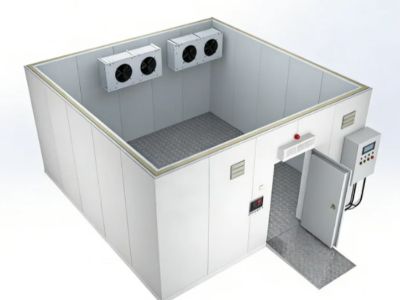
Cheese ripening rooms are specialized environments designed to control the aging process of cheese, ensuring optimal flavor, texture, and quality. For B2B buyers in the dairy industry, understanding the intricacies of these rooms is crucial when making purchasing decisions. This article will explore key considerations such as cost factors, quality standards, common issues, and essential features, providing a comprehensive guide for purchasing managers, distributors, and engineers looking to invest in cheese ripening rooms.

Key Applications of Cheese Ripening Rooms in the Dairy Industry

Cheese ripening rooms serve several essential functions in the dairy industry, tailored to the specific needs of various cheese types. These applications include:

Aging: The primary purpose is to control the ripening process of cheese, facilitating the development of flavors and textures. Different cheeses require different ripening conditions, which can be optimized within these specialized environments.

Quality Control: Cheese ripening rooms allow for consistent monitoring of cheese quality. Automated systems can track temperature, humidity, and airflow, ensuring that optimal conditions are maintained throughout the ripening period.

Varietal Adaptation: Different cheese varieties (e.g., cheddar, gouda, brie) may need specific ripening conditions. Customizing the ripening environment to meet these diverse needs can enhance product quality and consistency.

Production Efficiency: By incorporating automated systems, cheese producers can streamline their operations. Automated monitoring and control reduce labor costs and increase production efficiency, contributing to overall profitability.
Evaluating Quality Standards for Cheese Ripening Room Equipmen

Quality standards are paramount when investing in cheese ripening rooms. Buyers should prioritize equipment that meets industry standards while ensuring reliability and durability. Key quality considerations include:

Material Quality: The materials used in constructing the ripening room should be food-safe and durable. Stainless steel is often preferred for its resistance to corrosion and ease of cleaning.

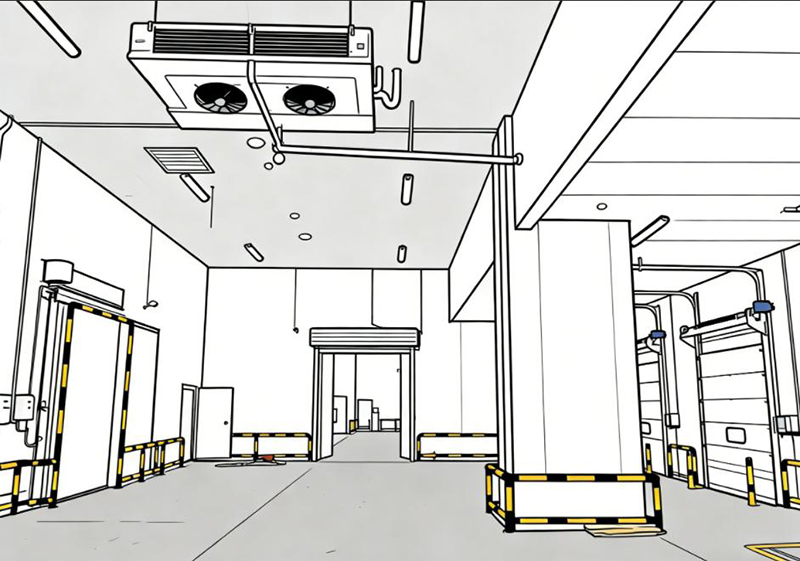
Insulation: High-quality insulation is crucial for maintaining consistent temperatures. Poor insulation can lead to energy loss and fluctuations in temperature, negatively impacting cheese quality.

Control Systems: The effectiveness of the temperature and humidity control systems should be evaluated. Look for equipment with precise calibration and reliable sensors to ensure consistent conditions.

Certifications: Verify that the equipment complies with relevant industry standards and certifications, such as HACCP (Hazard Analysis Critical Control Point) guidelines, ensuring that it meets food safety requirements.

Supplier Reputation: Choose suppliers with a proven track record in the dairy industry. Research customer reviews and request case studies that demonstrate the supplier's ability to deliver quality equipment.

Common Problems in Cheese Ripening Rooms and Effective Solutions

Cheese ripening rooms can encounter several common issues that can affect product quality. Understanding these problems and their solutions is essential for maintaining optimal conditions:

Temperature Fluctuations: Inconsistent temperatures can lead to uneven ripening. This can be mitigated by investing in high-quality insulation and reliable temperature control systems. Regular maintenance checks are also crucial.

Humidity Control: Too much or too little humidity can cause spoilage or drying out of cheese. Implementing integrated monitoring systems that provide real-time data can help address this issue promptly.

Cross-Contamination: Poor air circulation may lead to undesired flavors and bacteria transfer. Proper airflow design is essential, and regular cleaning schedules should be established to maintain hygiene.

Energy Inefficiency: High energy costs can erode profit margins. Investing in energy-efficient equipment and insulation materials can lead to significant cost savings over time. Consider looking into Cold Room options to improve your energy efficiency.

Equipment Failures: Regularly scheduled maintenance and a good warranty can help avoid costly downtime. Ensure that suppliers offer comprehensive support and service agreements.

Comparing Cheese Ripening Room Features for Your Project Needs

When selecting a cheese ripening room, it's essential to compare features that align with your specific project requirements. Consider the following aspects:

Size and Layout: Determine the space available and the volume of cheese to be stored. Custom layouts may be necessary for optimizing workflow and storage capacity.

Temperature and Humidity Control Features: Evaluate the range of temperature and humidity controls available. Some systems offer advanced automation and remote monitoring, which can be beneficial for larger operations.

Shelving and Storage Options: The design of the shelving within the ripening room can impact airflow and accessibility. Consider adjustable shelving systems to accommodate different cheese types.

Energy Source and Efficiency: Assess whether the ripening room is compatible with existing energy sources and its overall energy consumption. Energy-efficient options may have higher upfront costs but offer long-term savings.

Customization Options: Look for suppliers who offer customization to meet your unique requirements, whether this involves specific materials, dimensions, or additional technologies.

By understanding these critical features and evaluating them against your operational needs, you can make a well-informed decision when purchasing a cheese ripening room.

Cost Factors to Consider When Purchasing Cheese Ripening Rooms

When evaluating the cost of cheese ripening rooms, several factors come into play. The initial investment will typically include the cost of design, construction, and the refrigeration equipment itself. Custom-engineered systems can lead to higher upfront costs but often result in improved energy efficiency and operational savings in the long run.

Size and Capacity: The dimensions of the ripening room directly affect its price. Larger rooms with higher capacity for cheese storage will generally incur greater costs due to increased material and labor requirements.

Temperature and Humidity Control: Advanced control systems that maintain precise temperature and humidity levels are essential for cheese ripening. These systems can vary significantly in price based on their complexity and the level of automation provided.

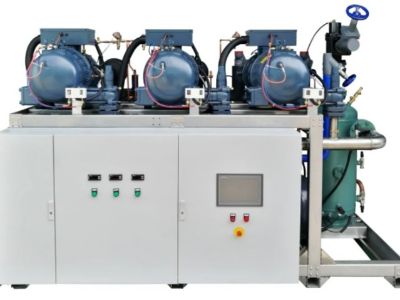
Energy Efficiency: Energy-efficient units may have higher initial costs but can reduce operational expenses significantly. Look for systems that are equipped with insulation and environmentally-friendly refrigerants to optimize energy use. For instance, investing in REFRIGERATION UNITS can enhance energy efficiency in your ripening room.

Customization: The level of customization desired, including shelving, airflow systems, and monitoring technology, will influence the overall budget. Customized solutions should be considered for businesses with specific cheese varieties or production processes.

Installation and Maintenance: Factor in installation costs and ongoing maintenance expenses. A well-designed room may require less frequent maintenance, but higher-quality materials could lead to upfront savings.

Frequently Asked Questions

What is a cheese ripening room?

A climate-controlled chamber designed to regulate temperature, humidity, and airflow to mature cheese consistently and safely for desired flavor and texture.
Yes. We design custom-engineered rooms to fit facility space, capacity, shelving, and workflow requirements for small dairies to industrial operations.
We use automated refrigeration, humidification/dehumidification, sensors, and PLC controls to maintain precise temperature and RH profiles throughout the ripening cycle.
Yes. Our systems prioritize energy-efficient refrigeration and automation to reduce operating costs while ensuring consistent environmental control and data logging.
Yes. Rooms are built with hygienic materials, easy-clean surfaces, and controls to support HACCP practices and documentation for food safety compliance.

Our Blog Posts

10 Fascinating Facts About Cold Room You Never Knew!

12

Oct

10 Fascinating Facts About Cold Room You Never Knew!

The World's Largest "Refrigerator" Can Hold the Entire City of Rome. The global cold storage network is vast beyond imagination. For instance, the total storage capacity of one of North America's largest cold storage operators exceeds 400 million cub...
View More
what is the purpose of a cold room

03

Nov

what is the purpose of a cold room

The purpose of a cold room is essential for various industries, primarily focusing on the preservation and storage of temperature-sensitive products. This article delves into the role of cold rooms, specifically in the food industry, and provides ins...
View More
how to clean condensing unit

03

Nov

how to clean condensing unit

Cleaning a condensing unit is essential for maintaining the efficiency and longevity of refrigeration systems, particularly in industries like food processing, pharmaceuticals, and logistics. Proper cleaning helps prevent malfunctions, reduces energy...
View More
what are the methods of food preservation

03

Nov

what are the methods of food preservation

Food preservation is a critical process for maintaining the quality and safety of perishable items, especially in the food industry. Understanding what are the methods of food preservation can help businesses minimize waste, ensure product integrity,...
View More

Leave a Message

Email
Name
Company Name
Message
0/1000

Related product categories