Choosing Reliable Ripening Chambers for Wholesale

Let's Discuss Your Needs

Every great collaboration starts with a friendly chat.
We're here to help you figure things out and find the best way forward.
Company Name
Name
Email
WhatsApp
Mobile

ripening chambers

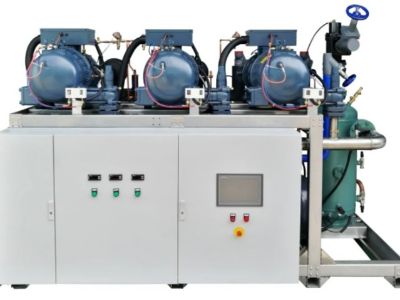
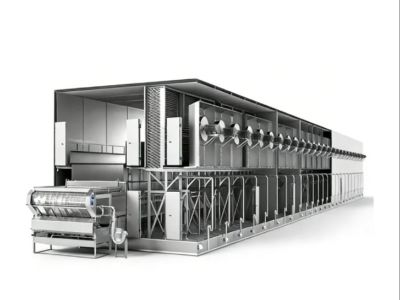
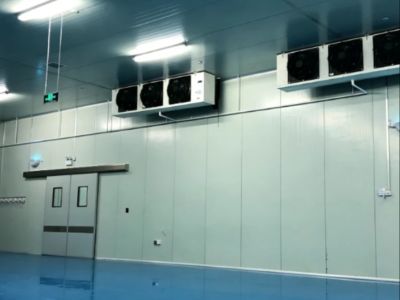
Ripening chambers are specialized cold storage units designed to facilitate the controlled maturation of fruits and vegetables. They play a crucial role in maintaining product quality and extending shelf life, particularly in the food supply chain. For B2B buyers such as purchasing managers, distributors, and food processors, key concerns often include efficiency, customization, and compliance with industry standards. This article will guide you through essential considerations for sourcing ripening chambers, providing practical insights to help you make informed purchasing decisions.

A Buyeru2019s Guide

When preparing to purchase ripening chambers, ensure you have the following information ready to facilitate discussions with suppliers:

Product Specifications: Clearly outline your requirements, including desired temperature ranges, humidity levels, and chamber size.Customization Needs: If you require specific features or designs, communicate these to potential suppliers. Customization can include varying chamber configurations or specialized control systems.Quantity: Specify how many units you are looking to purchase, as this can affect pricing and lead times.Delivery Requirements: Be clear about your delivery timeline and any logistical considerations, such as installation services.Budget: Establish a budget range to help suppliers provide options that align with your financial constraints.

Additionally, inquire about the supplier's lead times and minimum order quantities (MOQ) to ensure they can accommodate your needs.
Where to Source Reliable Ripening Chambers for Your Business Needs

Sourcing reliable ripening chambers involves evaluating potential suppliers based on several criteria:

Manufacturer Reputation: Look for manufacturers with a proven track record in the refrigeration industry. Reviews, testimonials, and case studies can provide insights into their reliability.

Certifications: Ensure that suppliers comply with relevant industry certifications, which can indicate adherence to quality and safety standards. Common certifications to look for include ISO and CE.

Customization Capabilities: Assess whether the manufacturer can accommodate your specific requirements. A company that offers tailored solutions may be better suited to meet your unique business needs.

After-Sales Support: Reliable suppliers should provide robust after-sales support, including installation, maintenance, and troubleshooting assistance. This service can be crucial for minimizing downtime and ensuring optimal performance.

Export Experience: If you are sourcing from international suppliers, ensure they have experience in exporting to your country, including knowledge of customs regulations and shipping logistics.

What You Should Know

Understanding the operational and technical aspects of ripening chambers can greatly influence your purchasing decision. Here are some important points:

Technical Parameters: Familiarize yourself with key technical parameters such as cooling capacity, power consumption, and noise levels. These factors can impact your operational efficiency and compliance with local regulations.

Common Issues: Be aware of common problems that can arise with ripening chambers, such as temperature fluctuations or humidity imbalances. Engage with suppliers to understand how their systems mitigate these issues.

Maintenance Requirements: Regular maintenance is critical to ensure optimal operation. Inquire about recommended maintenance schedules and any specific cleaning requirements for the chambers.

Sample Inspection: Before finalizing your order, consider requesting a sample or a visit to an existing installation. This will allow you to evaluate the chamber's construction quality and operational performance firsthand.

Best Practices for Sourcing Ripening Chambers from Trusted Suppliers

To maximize the success of your sourcing efforts, follow these best practices:

Request Detailed Proposals: When soliciting quotes, ask for detailed proposals that outline specifications, pricing, warranty terms, and service agreements. This will facilitate apples-to-apples comparisons among suppliers.

Conduct Site Visits: If possible, visit the manufacturer’s facility to observe their production processes and quality control measures. This firsthand experience can help you assess their capabilities.

Check References: Don’t hesitate to ask for references from previous clients. Speaking directly with other buyers can provide valuable insights into the supplier’s reliability and product performance.

Negotiate Terms: Be prepared to discuss payment terms, delivery timelines, and warranty conditions. Effective negotiation can lead to better pricing and service terms.

Evaluate Long-Term Compatibility: Consider the supplier's potential for long-term collaboration. Establishing a strong partnership can lead to better pricing, support, and customization options in the future.

By taking these steps, you will be better positioned to select ripening chambers that meet your operational needs and contribute to the efficiency of your supply chain.

What to Consider When Choosing Ripening Chambers for Wholesale Orders

When selecting ripening chambers, the following factors should be at the forefront of your decision-making process:

Temperature and Humidity Control: Ripening chambers must provide precise temperature and humidity controls to imitate the natural ripening conditions of fruits and vegetables. Look for chambers with advanced control systems that ensure consistent environmental conditions, as fluctuations can negatively impact product quality.

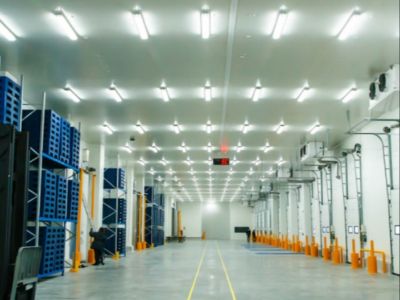
Capacity and Size: The dimensions and storage capacity of the ripening chamber should align with your operational needs. Consider the volume of produce you intend to store and the space available in your facility. Custom-built options can be a great solution when standard sizes do not meet your requirements. Additionally, you may want to explore options like Cold Room solutions to enhance your storage capabilities.

Energy Efficiency: With rising energy costs, selecting energy-efficient models can significantly reduce operating expenses. Look for ripening chambers with high insulation values and energy-efficient compressors to minimize electricity consumption.

Material Quality: The construction materials of the chamber should be durable and easy to clean to prevent contamination. Stainless steel is commonly preferred for its corrosion resistance and hygienic properties.

Automation Features: Advanced ripening chambers may come with automation features such as remote monitoring and control systems, which enable users to adjust settings and monitor conditions in real time. Consider how such features can improve operational efficiency and product consistency. You might also look into REFRIGERATION UNITS that offer integrated automation solutions.

Frequently Asked Questions

What is a ripening chamber used for?

A ripening chamber controls temperature, humidity and airflow to accelerate and uniform fruit or cheese maturation for consistent quality and shelf life.
Yes. We design and build custom-engineered chambers to fit capacity, layout and production flow requirements for food processors and distributors.
Our chambers use optimized insulation, variable-speed compressors and intelligent controls to minimize energy use while maintaining precise conditions.
Yes. We provide automated PLC/HMI systems with remote monitoring, alarms and data logging for condition tracking and process control.
We supply chambers for fresh produce, cheese and related food processing, as well as cold-chain logistics and storage applications globally.

Our Blog Posts

how to set cold room temperature

03

Nov

how to set cold room temperature

Setting the right cold room temperature is crucial for industries that rely on precise temperature control to maintain the quality and safety of their products. Whether you are in the food, pharmaceutical, or logistics sector, understanding how to se...
View More
how to set temperature in chiller

03

Nov

how to set temperature in chiller

Setting the correct temperature in a chiller is crucial for maintaining the quality and safety of sensitive products, especially in industries like food, pharmaceuticals, and logistics. This article will address key considerations for B2B buyers, inc...
View More
how to clean condensing unit

03

Nov

how to clean condensing unit

Cleaning a condensing unit is essential for maintaining the efficiency and longevity of refrigeration systems, particularly in industries like food processing, pharmaceuticals, and logistics. Proper cleaning helps prevent malfunctions, reduces energy...
View More
what are the advantages of food preservation

03

Nov

what are the advantages of food preservation

Food preservation is a critical process that extends the shelf life of perishable goods such as fruits, vegetables, meats, and dairy products. Understanding the advantages of food preservation can greatly benefit businesses in the food industry, incl...
View More

Leave a Message

Email
Name
Company Name
Message
0/1000

Related product categories