Key Considerations for Choosing a Cooling Room

Let's Discuss Your Needs

Every great collaboration starts with a friendly chat.
We're here to help you figure things out and find the best way forward.
Company Name
Name
Email
WhatsApp
Mobile

cooling room

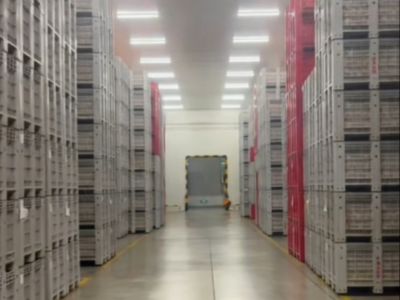
Cooling rooms are vital for businesses in the food, pharmaceutical, and logistics industries, providing controlled environments to preserve perishable goods. As a B2B buyer, you may be concerned about energy efficiency, customization options, and the reliability of suppliers. This article will guide you through the key considerations for selecting a cooling room, assessing quality, identifying essential specifications, finding trustworthy suppliers, and resolving common issues that may arise.

How to Evaluate the Quality of Cooling Room Systems and Equipmen

Quality evaluation of cooling room systems involves a thorough inspection of materials and manufacturing processes. Look for cooling rooms constructed from high-quality insulation materials that provide optimal thermal efficiency. The thickness and type of insulation directly affect the energy consumption and operational effectiveness of the room.

Check for certifications that indicate compliance with industry standards, such as ISO or CE certifications. These certifications can provide assurance regarding the quality and safety of the equipment. Additionally, inquire about the manufacturer’s quality control processes during production. A reputable manufacturer will have rigorous quality checks in place at various stages of production to ensure that the final product meets required specifications.

Finally, request references or case studies from the supplier to understand their track record and client satisfaction levels. Real-world feedback can provide valuable insights into the performance and reliability of the cooling room systems.
Top Specifications to Look for in Energy-Efficient Cooling Rooms

When evaluating cooling rooms, focus on several key specifications that impact energy efficiency and overall performance:

Insulation Value (R-Value): The insulation value indicates how well the cooling room can maintain its internal temperature. Higher R-values signify better insulation performance, which reduces energy consumption.

Cooling Capacity: Defined in BTUs per hour, cooling capacity should align with the volume of products being stored. An undersized unit can lead to temperature fluctuations, while an oversized unit may cycle on and off frequently, wasting energy.

Temperature Range: Ensure the cooling room can maintain the temperature range required for your specific applications. For instance, food storage may require different temperatures than pharmaceutical products.

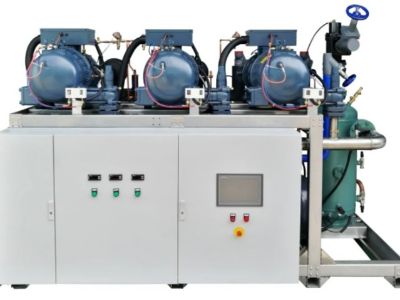
Refrigeration System Type: Consider whether a direct expansion, chilled water, or other types of refrigeration systems are best suited for your needs. Each has its advantages and disadvantages in terms of energy use and maintenance.

Control Systems: Advanced control systems offer features such as remote monitoring, alarms for temperature deviations, and automated defrost cycles. These features can enhance operational efficiency and product safety.

Finding Reliable Suppliers for Cooling Rooms

Identifying trustworthy suppliers involves a multi-step approach. Start by researching manufacturers with a proven track record in the industry. Look for suppliers who specialize in cooling rooms, such as those providing Containerized Cold Rooms, and have experience in your specific application area, such as food or pharmaceuticals.

Evaluate potential suppliers based on their manufacturing capabilities and quality assurance processes. A good supplier should be transparent about their production methods, materials used, and any certifications they hold. Establish communication with the supplier to discuss your specific needs and gauge their responsiveness and willingness to collaborate.

Requesting quotes from multiple suppliers can also be beneficial. Compare not only pricing but also the specifications and features they offer. Pay attention to the supplier’s after-sales support and warranty policies, as these can significantly impact your long-term satisfaction and operational efficiency.

Common Problems with Cooling Rooms and Effective Solutions

Understanding common issues that can arise with cooling rooms can help you mitigate risks and ensure smooth operations. Here are some frequent problems and their solutions:

Temperature Fluctuations: This can occur due to inadequate insulation or a malfunctioning refrigeration system. Regular maintenance checks are essential to ensure that the refrigeration units are functioning correctly, and insulation should be inspected for any wear or damage.

Moisture Accumulation: Excess moisture can lead to mold growth and spoilage of stored products. Ensure that the cooling room has proper drainage and ventilation systems. Dehumidifiers can also be employed in high-humidity environments.

Energy Inefficiency: If the cooling room is not energy-efficient, it can lead to high operational costs. Consider upgrading to more efficient refrigeration systems or improving insulation to reduce energy consumption.

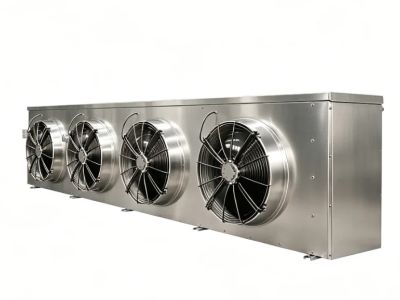
Equipment Failure: Regular maintenance and timely replacement of worn-out components are crucial to avoid unexpected failures. Implement a maintenance schedule that includes checking key components such as compressors, evaporators, and condensers.

By proactively addressing these common problems, you can enhance the reliability and efficiency of your cooling room, ultimately supporting your business's operational needs.

Selecting the right cooling room requires careful consideration of various factors, including specific requirements, quality evaluation, and supplier reliability. By understanding these elements, you can make informed purchasing decisions that will benefit your business in the long run.

What to Consider When Choosing a Cooling Room for Your Business

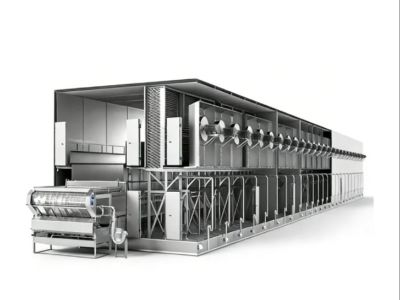
When selecting a cooling room, consider the specific needs of your business, including the type of products you will store, the required temperature range, and the size of the facility. Assess the layout of your space to ensure that the cooling room fits comfortably and allows for efficient workflow. Think about the energy efficiency of the cooling system, as this can significantly impact operational costs over time. Additionally, consider whether you require a custom-engineered solution to meet unique specifications or whether standard models, such as Self-stacking Spiral Freezers, will suffice.

Another important factor is the automation capabilities of the cooling room. Automated systems can enhance efficiency by enabling remote monitoring and control, thus minimizing human error and operational downtime. Finally, ensure that the cooling room complies with industry regulations, especially if you handle sensitive products such as pharmaceuticals.

Frequently Asked Questions

What types of cooling rooms do you offer?

We supply energy-efficient cold storage rooms, blast freezers, and modular walk-in cooling rooms tailored for food, pharmaceutical, and logistics needs.
Yes. We design custom-engineered cooling rooms with automated controls, tailored dimensions, insulation, and temperature ranges to meet specific product and workflow requirements.
Depending on design, we deliver ambient cool rooms to ultra-low freezers, typically from +10°C down to -40°C, with precise control for sensitive goods.
Yes. We offer full project services including site survey, installation, electrical integration, commissioning, and training for safe operation.
Systems include high-performance insulation, variable-speed compressors, intelligent control systems, heat recovery options, and optimized airflow to reduce energy use.

Our Blog Posts

how to clean condensing unit

03

Nov

how to clean condensing unit

Cleaning a condensing unit is essential for maintaining the efficiency and longevity of refrigeration systems, particularly in industries like food processing, pharmaceuticals, and logistics. Proper cleaning helps prevent malfunctions, reduces energy...
View More
what does evaporator coil do

03

Nov

what does evaporator coil do

Understanding what an evaporator coil does is essential for anyone involved in the purchasing or maintenance of refrigeration systems. These coils play a crucial role in cooling processes by absorbing heat from the environment, making them indispensa...
View More
controlled atmosphere storage of fruits and vegetables

03

Nov

controlled atmosphere storage of fruits and vegetables

Controlled atmosphere storage of fruits and vegetables is a critical component in preserving the quality and extending the shelf life of produce. These specialized storage solutions regulate temperature, humidity, and gas composition to slow down rip...
View More
what are the advantages of food preservation

03

Nov

what are the advantages of food preservation

Food preservation is a critical process that extends the shelf life of perishable goods such as fruits, vegetables, meats, and dairy products. Understanding the advantages of food preservation can greatly benefit businesses in the food industry, incl...
View More

Leave a Message

Email
Name
Company Name
Message
0/1000

Related product categories