Choosing the Right Cheese Ripening Chamber

Let's Discuss Your Needs

Every great collaboration starts with a friendly chat.
We're here to help you figure things out and find the best way forward.
Company Name
Name
Email
WhatsApp
Mobile

cheese ripening chamber

Cheese ripening chambers are specialized environments designed to facilitate the aging process of cheese. These chambers maintain precise temperature and humidity levels to enhance flavor development and texture, crucial for achieving the desired quality in cheese products. For B2B buyers, particularly in wholesale applications, understanding how to choose the right chamber, its essential specifications, and how to compare suppliers effectively is vital. This article aims to guide purchasing managers, distributors, and engineers in making informed decisions regarding cheese ripening chambers, ensuring they meet both operational and product quality requirements.

Essential Specifications for Quality Cheese Ripening Chambers

When assessing cheese ripening chambers, several specifications should be prioritized:

Temperature Range: Most ripening processes require temperatures between 50°F to 60°F (10°C to 15°C). Ensure the chamber can maintain this range consistently, as temperature fluctuations can adversely affect cheese quality.

Humidity Control: Humidity levels typically range from 80% to 95%. The ability to accurately monitor and adjust humidity is critical to prevent mold growth and drying out of the cheese.

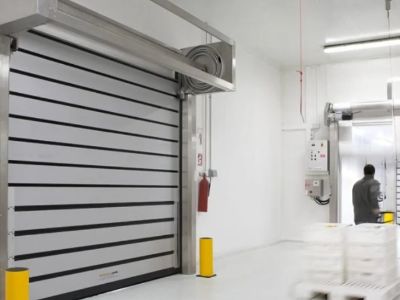
Insulation: High-quality insulation materials help maintain stable internal conditions. Look for chambers with thick, durable insulation to minimize energy consumption and maintain temperature stability.

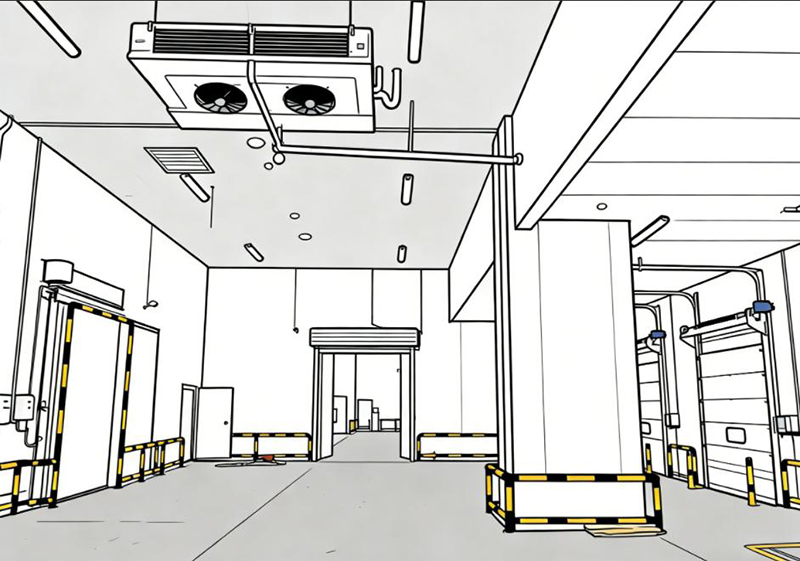
Airflow System: Proper airflow is essential to avoid hot spots and ensure even ripening. Chambers should ideally have a forced air circulation system to promote consistent temperature and humidity levels throughout.

Construction Materials: Stainless steel is a preferred material due to its durability and ease of sanitation. Ensure the chamber's interior is smooth and devoid of crevices to facilitate cleaning.

Buyers should verify these specifications against their specific cheese varieties and production methods to ensure compatibility and effectiveness.
How to Compare Suppliers of Cheese Ripening Chambers Effectively

Evaluating suppliers requires a comprehensive approach. Start by researching their manufacturing capabilities and experience in the cheese industry. Suppliers with a strong background in refrigeration technology and cheese production processes can offer valuable insights and solutions tailored to your needs.

Request references or case studies from previous clients to gauge the supplier's reliability and quality control measures. Also, consider the level of customization offered. Suppliers like Shanghai Zhaoxue Refrigeration Co., Ltd. can provide tailored solutions that align with your production requirements, including Refrigeration Units that suit your needs.

It’s also important to assess the supplier's after-sales support, including installation, maintenance services, and warranty terms. A supplier that offers robust support can help mitigate challenges during the operational phase, ensuring a smoother experience.

Lastly, compare pricing structures transparently. Ensure that quotes include all costs, such as shipping, installation, and potential customization fees, to avoid unexpected expenses later in the procurement process.

Common Problems in Cheese Ripening and Their Solutions

Cheese ripening can present several challenges, including:

Inconsistent Temperature and Humidity: Variations can lead to uneven ripening. Invest in a chamber with reliable monitoring and control systems to maintain optimal conditions.

Mold Growth: High humidity can promote unwanted mold. Regularly inspecting your chamber and maintaining appropriate humidity levels can mitigate this risk. Consider using antimicrobial materials in the chamber's construction.

Off-Flavors: Poor air circulation may lead to off-flavors in cheese. A well-designed airflow system is essential. Regular maintenance and cleaning of the chamber can help maintain air quality.

Physical Damage to Cheese: Handling mishaps can cause physical damage to cheese wheels. Implement training for staff on best practices for handling and storing cheese to minimize risks.

By understanding these common issues and their solutions, buyers can better prepare for operational challenges during cheese ripening.

Benefits of Energy-Efficient Cheese Ripening Chambers for Distributors

Energy-efficient cheese ripening chambers offer several advantages:

Cost Savings: These chambers reduce energy consumption, leading to lower operational costs. This is particularly beneficial for distributors managing multiple chambers.

Sustainability: Utilizing energy-efficient technology aligns with growing environmental concerns. Companies that prioritize sustainability can enhance their brand reputation among eco-conscious consumers.

Consistent Quality: Energy-efficient systems often come with advanced controls that maintain consistent internal conditions, which is vital for producing high-quality cheese.

Long-term Reliability: Investing in energy-efficient equipment typically results in fewer breakdowns and maintenance issues, providing more reliable performance over time.

Distributors should consider these benefits when selecting cheese ripening chambers, as they can significantly impact profitability and operational efficiency. By prioritizing energy efficiency, businesses can create a more sustainable and economically viable cheese production process.

Choosing the Right Cheese Ripening Chamber for Wholesale Applications

Selecting the appropriate cheese ripening chamber involves assessing various factors that influence the ripening process. First, consider the type of cheese being produced, as different varieties have unique ripening requirements. For instance, soft cheeses may require higher humidity levels compared to hard cheeses.

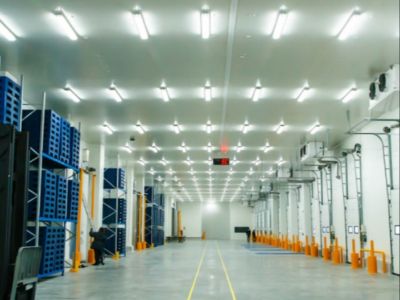
Next, evaluate the chamber's capacity and layout. A chamber that can accommodate your production volume while allowing for proper airflow and space for each cheese wheel is crucial. Additionally, the chamber should be designed for easy access and cleaning to maintain hygiene standards. Investing in a Cold Room can also enhance your cheese ripening process.

Furthermore, automation features can enhance efficiency. Look for chambers with programmable controls for temperature and humidity settings, which can optimize the ripening process and reduce manual monitoring. Custom-engineered solutions from manufacturers like Shanghai Zhaoxue Refrigeration Co., Ltd. can be tailored to meet specific operational needs and production scales, ensuring consistency in product quality.

Frequently Asked Questions

What is a cheese ripening chamber?

A temperature- and humidity-controlled room designed to mature cheese evenly, with automated controls for airflow, humidity, and temperature to ensure consistent flavor and texture.
Yes. We custom-engineer chambers to your capacity, layout, and process needs, integrating automation and energy-efficient refrigeration systems.
Typical ranges are 4–18°C and 60–98% RH, adjustable by model and recipe. We tailor controls to specific cheese types and ripening protocols.
Yes. Our designs use energy-efficient refrigeration and automation for setpoint control, data logging, and remote monitoring to reduce operating costs.
We offer global project management, installation guidance, commissioning, and technical support, plus maintenance and spare-parts services to ensure reliable operation.

Our Blog Posts

10 Fascinating Facts About Cold Room You Never Knew!

12

Oct

10 Fascinating Facts About Cold Room You Never Knew!

The World's Largest "Refrigerator" Can Hold the Entire City of Rome. The global cold storage network is vast beyond imagination. For instance, the total storage capacity of one of North America's largest cold storage operators exceeds 400 million cub...
View More
how to set temperature in chiller

03

Nov

how to set temperature in chiller

Setting the correct temperature in a chiller is crucial for maintaining the quality and safety of sensitive products, especially in industries like food, pharmaceuticals, and logistics. This article will address key considerations for B2B buyers, inc...
View More
what are the methods of food preservation

03

Nov

what are the methods of food preservation

Food preservation is a critical process for maintaining the quality and safety of perishable items, especially in the food industry. Understanding what are the methods of food preservation can help businesses minimize waste, ensure product integrity,...
View More
what are the advantages of food preservation

03

Nov

what are the advantages of food preservation

Food preservation is a critical process that extends the shelf life of perishable goods such as fruits, vegetables, meats, and dairy products. Understanding the advantages of food preservation can greatly benefit businesses in the food industry, incl...
View More

Leave a Message

Email
Name
Company Name
Message
0/1000

Related product categories