Choosing the Right Recirculating Water Chiller

Let's Discuss Your Needs

Every great collaboration starts with a friendly chat.
We're here to help you figure things out and find the best way forward.
Company Name
Name
Email
WhatsApp
Mobile

recirculating water chiller

A recirculating water chiller is a critical component in many industrial applications, providing efficient temperature control for processes that require precise cooling. For B2B buyers, choosing the right chiller involves understanding specifications, applications, and supplier reliability. This article will help purchasing managers, engineers, and product managers navigate the complexities of selecting a recirculating water chiller that meets their operational needs.

Key Specifications to Evaluate in Recirculating Water Chillers

Several key specifications should guide your evaluation of recirculating water chillers:

Cooling Capacity: Ensure that the chiller can handle the maximum thermal load your application requires. Oversizing a chiller can lead to inefficient operation and increased costs.

Temperature Range: Verify that the chiller can maintain the necessary operating temperatures. Some applications may require temperatures as low as -30°C, while others may operate at higher ranges.

Flow Rate: Assess the required flow rate of the cooling water in your system, typically expressed in liters per minute or gallons per minute. Ensure the chiller can maintain this flow rate efficiently.

Refrigerant Type: Different refrigerants have varying environmental impacts and efficiency ratings. For example, newer refrigerants are often more energy-efficient but may have different regulatory requirements.

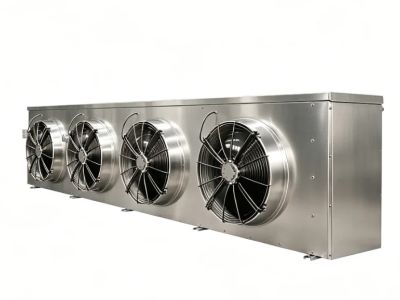
Heat Exchanger Design: The type of heat exchanger (air-cooled or water-cooled) can significantly affect performance and maintenance needs. Assess which type fits best with your existing infrastructure.

Control Systems: Modern chillers often incorporate advanced control systems that allow for remote monitoring and adjustments. This can improve efficiency and simplify operation.

Evaluating these specifications carefully will help ensure the chosen chiller aligns perfectly with your technical and operational requirements.
Where to Source Reliable Suppliers of Recirculating Water Chillers

Finding a reliable supplier is crucial. Start by researching manufacturers with a solid reputation in the industry. Look for companies that not only manufacture standard chillers but also offer custom solutions tailored to specific applications.

A good supplier should provide detailed product information, including technical specifications, case studies, and references from similar industries. Industry certifications can also indicate a supplier's commitment to quality and performance standards.

Networking within industry associations or attending trade shows can provide valuable insights into reputable suppliers. Additionally, online platforms and B2B marketplaces can help you compare options, but always request direct communication for detailed inquiries.

What to Look For

When evaluating potential suppliers, consider the following factors:

Customization Capabilities: Ensure the supplier can meet your specific cooling needs, whether through custom designs or modifications to existing products.

Production Capacity: Confirm that the supplier has the capacity to fulfill your order volume within your required lead time. This is particularly important for larger projects that may require multiple units.

Quality Control Processes: Inquire about the manufacturer’s quality assurance protocols. A robust quality control system ensures that every unit meets performance specifications and reduces the risk of operational failures.

Post-Sales Support: Evaluate the level of technical support the supplier offers after purchase. This includes installation assistance, warranty terms, and availability of replacement parts.

References and Reviews: Look for testimonials or case studies from other businesses in your industry. This feedback can provide insight into the supplier’s reliability and service quality.

By examining these aspects, you can align with a supplier that provides not just a product, but a partnership.

Understanding the Cost Factors of Recirculating Water Chillers

The cost of a recirculating water chiller can vary significantly based on several factors:

Initial Purchase Price: This includes the base cost of the chiller and any custom modifications. Be aware that the cheapest option may not always provide the best value in terms of performance and longevity.

Installation Costs: Consider the expenses associated with installation, which can include labor, materials, and any necessary modifications to existing systems.

Operational Costs: Evaluate the energy efficiency of the chiller, as higher efficiency models may have higher upfront costs but lower operational expenses over time.

Maintenance Expenses: Factor in routine maintenance and potential repair costs. A chiller with easier access for maintenance tasks can reduce downtime and service costs.

Warranty and Support: A comprehensive warranty can provide peace of mind and protect your investment. Evaluate what is covered and the duration of the warranty.

By understanding these cost factors, you can better assess the long-term financial implications of your investment in a recirculating water chiller, ultimately leading to a more informed purchasing decision.

How to Choose the Right Recirculating Water Chiller for Your Needs

When selecting a recirculating water chiller, start by defining your cooling requirements. Consider the thermal load, which is the amount of heat that must be removed from your process. This will guide you in determining the chiller's cooling capacity, typically measured in tons or kilowatts. REFRIGERATION UNITS can be an essential reference while determining these specifications.

Next, evaluate the operational environment. Factors such as ambient temperature, humidity levels, and the presence of contaminants can influence chiller performance. For instance, a chiller used in a food processing plant must comply with stringent hygiene standards, while one used in a pharmaceutical application must maintain precise temperature controls.

Also, consider the chiller's energy efficiency. Look for models with variable-speed compressors and advanced controls that can adjust cooling output based on demand, helping to reduce energy costs over time. Understanding your process requirements will also help inform decisions on whether a standard model suffices or if a custom-engineered solution is necessary. ICE MACHINE options can also serve as a competitive comparison in this evaluation.

Frequently Asked Questions

What is a recirculating water chiller?

A recirculating water chiller cools and circulates chilled water to control temperature in equipment or processes, improving efficiency for cold storage, freezers, and industrial cooling systems.
Our chillers serve food processing, pharmaceuticals, logistics, cold storage facilities, and industrial applications requiring precise temperature control and reliable cooling.
Yes. We design custom-engineered, automated recirculating chillers to match capacity, footprint, controls, and integration needs for your specific process or facility.
Routine tasks include checking refrigerant levels, cleaning condensers and filters, inspecting pumps and piping, and scheduled system diagnostics to ensure energy-efficient operation.
Yes. We provide professional installation, commissioning, training, and global after-sales support, including spare parts and service plans to ensure reliable long-term operation.

Our Blog Posts

how to set cold room temperature

03

Nov

how to set cold room temperature

Setting the right cold room temperature is crucial for industries that rely on precise temperature control to maintain the quality and safety of their products. Whether you are in the food, pharmaceutical, or logistics sector, understanding how to se...
View More
what does evaporator coil do

03

Nov

what does evaporator coil do

Understanding what an evaporator coil does is essential for anyone involved in the purchasing or maintenance of refrigeration systems. These coils play a crucial role in cooling processes by absorbing heat from the environment, making them indispensa...
View More
controlled atmosphere storage of fruits and vegetables

03

Nov

controlled atmosphere storage of fruits and vegetables

Controlled atmosphere storage of fruits and vegetables is a critical component in preserving the quality and extending the shelf life of produce. These specialized storage solutions regulate temperature, humidity, and gas composition to slow down rip...
View More
what are the advantages of food preservation

03

Nov

what are the advantages of food preservation

Food preservation is a critical process that extends the shelf life of perishable goods such as fruits, vegetables, meats, and dairy products. Understanding the advantages of food preservation can greatly benefit businesses in the food industry, incl...
View More

Leave a Message

Email
Name
Company Name
Message
0/1000

Related product categories