EN

Cold rooms and freezer rooms are essential components in various industries, including food, pharmaceuticals, and logistics. These controlled environments are designed to maintain specific temperature ranges, ensuring the preservation of products that are sensitive to temperature fluctuations. As a purchasing manager or distributor, understanding the intricacies of cold storage solutions is crucial to making informed decisions that meet your operational needs while optimizing energy efficiency and compliance with industry standards. This article will provide valuable insights into selecting the right cold room and freezer room, focusing on specifications, sourcing quality equipment, addressing common issues, and understanding material advantages.
Top Specifications to Consider for Cold Room and Freezer Room Design
When evaluating cold storage solutions, several key specifications must be prioritized:
Insulation Thickness: The thickness of the insulation directly impacts energy efficiency. Typically, a higher R-value indicates better insulation performance, which is crucial for maintaining stable temperatures and reducing energy consumption.
Temperature Control Systems: Look for advanced temperature monitoring systems that provide real-time data and alerts, ensuring that temperature deviations are promptly addressed.
Material Selection: The materials used in construction should be resistant to corrosion and easy to clean. Common choices include stainless steel and food-grade polymers, which are essential in maintaining hygiene standards.
Sealing Mechanisms: Effective door seals are vital to prevent warm air infiltration and maintain internal temperatures. Buyers should inspect the quality of seals and consider options for automatic door closures.
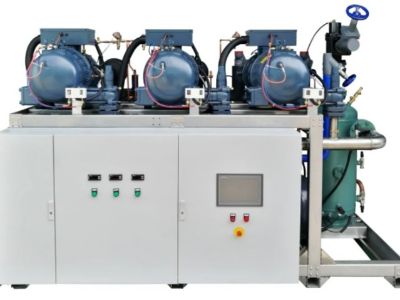
Energy Efficiency Ratings: Energy-efficient systems can lead to significant cost savings over time. Evaluate the equipment's energy consumption ratings and consider systems that utilize environmentally friendly refrigerants, such as REFRIGERATION UNITS.
Understanding these specifications can help buyers identify products that not only meet their immediate needs but also align with long-term operational goals.