EN

When considering cold storage solutions, a commercial freezer room stands out as a vital asset for businesses in various sectors, including food service, pharmaceuticals, and logistics. These specialized spaces are engineered to maintain low temperatures, preserving product integrity and safety. This article will guide purchasing managers and industry professionals through the essential factors to consider when selecting a commercial freezer room, ensuring that their investment meets specific operational needs and compliance standards.
Key Specifications to Consider in Commercial Freezer Room Purchases
When evaluating commercial freezer rooms, several specifications are critical to ensure optimal performance:
Insulation Thickness: The thickness of the insulation directly impacts energy efficiency and temperature stability. A thicker insulation layer can reduce energy costs and maintain consistent internal temperatures.
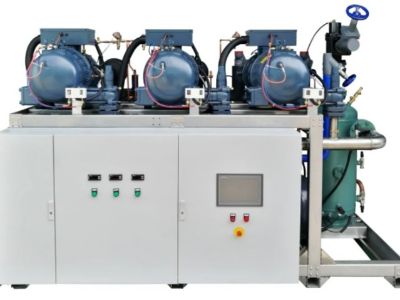
Cooling System Type: Options include remote or self-contained systems. Remote systems are often more efficient for larger spaces, while self-contained units may be suitable for smaller environments.
Temperature Range: Ensure the freezer can reach and maintain the required temperature for your products. This is crucial for compliance, especially in the pharmaceutical sector.
Materials Used: The interior and exterior materials impact durability and hygiene. Stainless steel is preferred for its resistance to corrosion and ease of cleaning.
Energy Efficiency Ratings: Look for models with high energy efficiency ratings to minimize operating costs. Certifications like ENERGY STAR can guide you in selecting energy-efficient options.
Dimensions: Verify that the dimensions fit within your facility's layout while allowing for proper airflow and maintenance access.
Understanding these specifications will help buyers avoid common pitfalls, such as underestimating storage needs or selecting units that do not comply with industry regulations.