Choosing the Right Chiller Cold Storage System

Let's Discuss Your Needs

Every great collaboration starts with a friendly chat.
We're here to help you figure things out and find the best way forward.
Company Name
Name
Email
WhatsApp
Mobile

chiller cold storage

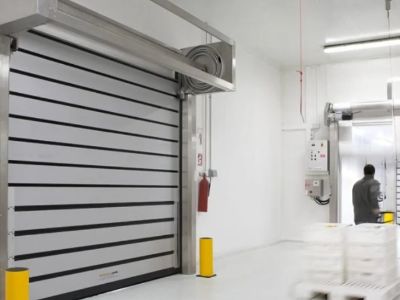
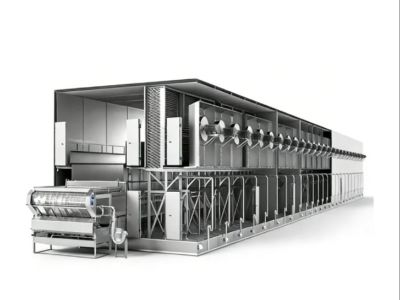
Chiller cold storage systems are essential for businesses in the food, pharmaceutical, and logistics sectors, where temperature control is critical for product preservation. Selecting the right system can significantly impact operational efficiency, product quality, and cost-effectiveness. This article will guide you through the key considerations when sourcing chiller cold storage, ensuring you make an informed purchasing decision that meets your business's specific needs.

Key Specifications to Consider When Sourcing Chiller Cold Storage

When sourcing chiller cold storage systems, several technical specifications should be evaluated to ensure optimal performance:

Temperature Range: Different products require different storage temperatures. Confirm that the chiller can maintain the necessary temperature range consistently. For example, food products may need to be stored at -18°C or lower, while pharmaceuticals might require temperatures between 2°C and 8°C.

Insulation Material and Thickness: Quality insulation plays a crucial role in maintaining temperature and energy efficiency. Common materials include polyurethane and polystyrene, each offering different levels of thermal resistance.

Cooling Capacity: This is measured in BTUs or kilowatts and should match the volume and type of goods being stored. Underestimating this capacity can lead to inadequate cooling and potential product spoilage.

Humidity Control: For certain applications, such as pharmaceutical storage, maintaining proper humidity levels is essential. Check whether the system includes humidity control features.

Energy Efficiency Ratings: Look for systems with high energy efficiency ratings, as these can significantly reduce operational costs over time.

Compliance and Certifications: Ensure the chiller meets local regulatory requirements and industry standards. Certifications can indicate reliability and adherence to safety protocols.
Wholesale Purchasing Options for Chiller Cold Storage Systems

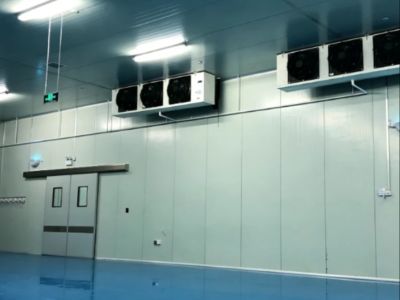
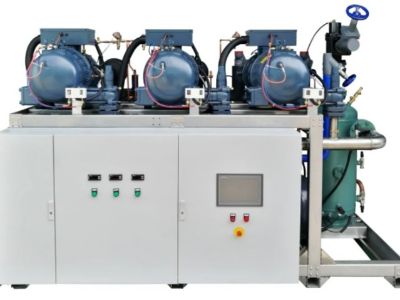
Purchasing chiller cold storage systems wholesale can offer significant cost advantages. Bulk buying often results in lower unit prices and improved negotiating power with suppliers. When engaging in wholesale purchases, consider the following:

Minimum Order Quantities (MOQ): Understand the MOQ for each supplier, as this can vary widely. Ensure that your purchase volume aligns with their requirements to avoid unnecessary costs.

Lead Times: Confirm the lead times for production and delivery. This is crucial for planning purposes, especially if you need the system operational by a specific date.

Payment Terms: Discuss payment options, including deposits and payment schedules. Favorable terms can improve cash flow and facilitate budget management.

Warranty and Support: Ensure that the supplier offers a robust warranty and after-sales support. This can be critical in minimizing downtime and maintenance costs.

Where to Find Reliable Suppliers of Chiller Cold Storage Units

Finding a reliable supplier for chiller cold storage units involves thorough research and evaluation. Here are some strategies:

Industry Trade Shows and Expos: Attending industry-specific events can provide access to a wide range of suppliers, allowing you to compare products and services in one location.

Online Marketplaces: Websites that specialize in industrial equipment can be useful for finding suppliers. Look for platforms that offer verified reviews and ratings from other buyers.

Industry Associations: Membership in industry associations may offer access to resources, including supplier directories and recommendations.

Direct Manufacturer Contacts: Engaging directly with manufacturers, such as Shanghai Zhaoxue Refrigeration Co., Ltd., can provide insights into their production capabilities and customization options.

Networking: Leverage your professional network to gather recommendations and experiences from peers in similar industries.

Installation Guidance for Efficient Chiller Cold Storage Systems

Proper installation of a chiller cold storage system is critical to its long-term performance. Here are key considerations for a successful installation:

Site Preparation: Ensure that the installation site is prepared according to the manufacturer’s specifications. This includes leveling the ground, providing adequate space for airflow, and ensuring access to power sources.

Professional Installation: Engaging professional installers who have experience with cold storage systems can help avoid common pitfalls. Ensure they are familiar with the specific model being installed.

Testing and Calibration: After installation, conduct thorough testing to verify that the system operates within specified temperature ranges. Calibration should be performed to ensure accuracy.

Regular Maintenance Schedule: Establish a routine maintenance schedule to check for leaks, clean coils, and ensure that temperature and humidity controls are functioning correctly. This proactive approach can extend the life of the system and ensure optimal performance.

By considering these factors and conducting thorough research, you can make an informed decision when selecting and installing chiller cold storage systems that will meet your business's needs effectively.

Choosing the Right Chiller Cold Storage for Your Business Needs

When selecting a chiller cold storage system, the first step is to assess your specific business requirements. Key considerations include the type of products you need to store, the volume of storage required, and the operational environment. For instance, food storage requires stringent temperature controls to avoid spoilage, while pharmaceutical products may necessitate even more precise temperature management to ensure efficacy. Additionally, for food storage, you might want to consider investing in REFRIGERATION UNITS that are specifically designed for optimal temperature control.

Another critical factor is the layout of your facility. Determine the space available for installation and consider whether a modular design might be beneficial for future expansion. Energy efficiency is also paramount; systems designed with advanced insulation and low-energy compressors can lead to significant cost savings over time. Furthermore, incorporating a Cold Room can enhance your storage capabilities.

Lastly, consider the automation capabilities of the chiller system. Automated features can enhance operational efficiency by reducing the need for manual monitoring and adjustments, thus minimizing human error.

Frequently Asked Questions

What cooling capacities do your chiller cold storages offer?

We design systems from small walk-in units to large industrial chillers. Capacity is customized by project requirements; contact us with storage volume and target temperature for an exact specification.
Yes. We provide custom-engineered cold rooms and automation tailored for food, pharmaceutical, and logistics needs, including hygiene, temperature control, and regulatory compliance features.
Our designs use high-efficiency compressors, optimized insulation, and smart controls to minimize energy consumption. We evaluate site conditions to recommend the most efficient configuration.
We provide full installation, commissioning, and global after-sales service including preventive maintenance, remote monitoring options, and spare parts support.
We support a wide range from mild chilling to deep freezing with precise digital controllers, alarms, and optional automated logging to meet product-specific requirements and regulatory standards.

Our Blog Posts

how to set cold room temperature

03

Nov

how to set cold room temperature

Setting the right cold room temperature is crucial for industries that rely on precise temperature control to maintain the quality and safety of their products. Whether you are in the food, pharmaceutical, or logistics sector, understanding how to se...
View More
how to clean condensing unit

03

Nov

how to clean condensing unit

Cleaning a condensing unit is essential for maintaining the efficiency and longevity of refrigeration systems, particularly in industries like food processing, pharmaceuticals, and logistics. Proper cleaning helps prevent malfunctions, reduces energy...
View More
what are the methods of food preservation

03

Nov

what are the methods of food preservation

Food preservation is a critical process for maintaining the quality and safety of perishable items, especially in the food industry. Understanding what are the methods of food preservation can help businesses minimize waste, ensure product integrity,...
View More
what are the advantages of food preservation

03

Nov

what are the advantages of food preservation

Food preservation is a critical process that extends the shelf life of perishable goods such as fruits, vegetables, meats, and dairy products. Understanding the advantages of food preservation can greatly benefit businesses in the food industry, incl...
View More

Leave a Message

Email
Name
Company Name
Message
0/1000

Related product categories