Water Chiller Prices: Key Considerations for Buyers

Let's Discuss Your Needs

Every great collaboration starts with a friendly chat.
We're here to help you figure things out and find the best way forward.
Company Name
Name
Email
WhatsApp
Mobile

water chiller price

When considering the purchase of water chillers, especially in bulk, understanding the various price factors is crucial for B2B buyers. Water chillers are essential components in many industries, including food processing, pharmaceuticals, and logistics, where temperature control is vital. This article will guide you through the considerations for comparing water chiller prices, key specifications to evaluate, cost factors for wholesale purchases, reliable supplier sources, and material advantages in high-quality water chillers.

Key Specifications to Evaluate in Water Chiller Systems for Buyers

When evaluating water chiller systems, buyers should closely examine several specifications that will impact performance and suitability for their application. Key specifications include:

Cooling Capacity: Measured in tons or kilowatts, this indicates how much heat the chiller can remove. Ensure the capacity matches your operational needs.Energy Efficiency Ratio (EER): This ratio measures the efficiency of the chiller in converting electrical energy into cooling. Higher EER values suggest better efficiency and lower operational costs.Refrigerant Type: The choice of refrigerant can affect both the environmental impact and efficiency of the chiller. Familiarize yourself with current regulations regarding refrigerants, as some may be phased out due to environmental concerns.Control Systems: Advanced control systems allow for better monitoring and optimization of performance. Look for features such as digital controls and remote monitoring capabilities.Noise Levels: Depending on the installation environment, noise levels may be a critical factor. Make sure to check the specifications for sound ratings, especially for chillers intended for indoor use.

Understanding these specifications will allow buyers to select a water chiller that not only meets their cooling requirements but also aligns with their operational goals.
Understanding Cost Factors for Wholesale Water Chillers in Manufacturing

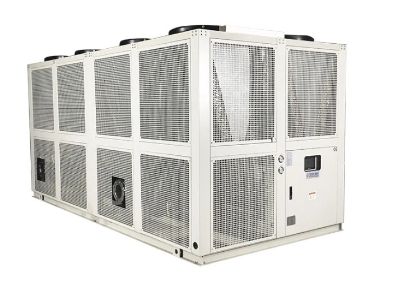
The pricing of wholesale water chillers is influenced by various factors that buyers need to consider. One primary factor is the material costs associated with manufacturing. High-quality materials, such as stainless steel or special alloys, can increase the durability and efficiency of the chillers but may also result in higher prices.

Another significant factor is manufacturing capabilities and production equipment used. Advanced manufacturing processes, such as automated assembly lines, may enhance product consistency and reduce lead times but could also increase costs. Buyers should ask suppliers about their quality control processes and how they ensure product reliability. It's also worthwhile to explore options such as ICE MACHINE for specific applications that may require unique manufacturing techniques.

Market demand also plays a role in pricing. In periods of high demand, prices may rise due to increased competition for limited supplies. Similarly, fluctuations in raw material prices can directly affect the cost of chillers.

Finally, consider lead times for production and delivery. Longer lead times can lead to higher costs due to the need for interim solutions or potential delays in project timelines.

Where to Find Reliable Suppliers for Quality Water Chillers

Finding reliable suppliers for quality water chillers requires thorough research and evaluation. Start by seeking manufacturers with a proven track record in the refrigeration industry. Look for suppliers that specialize in your specific application, whether it be food, pharmaceuticals, or logistics, as they will have tailored solutions to meet your needs.

Industry referrals and trade shows can also be valuable resources for finding reputable suppliers. Engaging with other professionals in your field can provide insights into supplier performance and reliability. Additionally, reviewing customer testimonials and case studies can help gauge a supplier's capability to deliver quality products.

Online B2B marketplaces can provide a wide range of options, but it is essential to vet suppliers thoroughly. Request detailed product documentation, certifications, and compliance with industry standards to ensure that the products meet your quality expectations.

Assessing Material Advantages in High-Quality Water Chillers

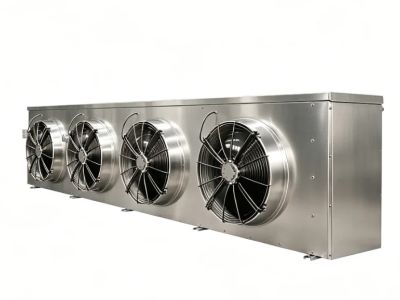
The materials used in the construction of water chillers play a crucial role in their overall performance, durability, and efficiency. High-quality materials, such as corrosion-resistant stainless steel or specialized alloys, offer significant advantages over standard options.

For instance, stainless steel is known for its strength and resistance to environmental factors, which is particularly important in applications involving water and varying temperatures. This material can reduce the likelihood of rust and extend the lifespan of the chiller.

Another consideration is the insulation materials used in the chiller. Effective insulation can minimize thermal losses, improving energy efficiency and reducing operational costs.

Additionally, buyers should verify that the materials comply with relevant industry standards and certifications, which can indicate a commitment to quality and safety. By understanding the material advantages, buyers can make informed decisions that align with their requirements for performance and longevity in their cooling solutions. For optimal performance, consider integrating solutions such as Cold Room technologies that can complement your water chiller systems.

What to Consider When Comparing Water Chiller Prices for Bulk Orders

When comparing water chiller prices for bulk orders, buyers should focus on several key factors that can significantly influence the overall cost. First, assess the specifications of the chillers, including cooling capacity, energy efficiency, and operational footprint. Higher efficiency models may have a higher upfront cost but can lead to considerable energy savings over time. Additionally, consider the total cost of ownership, which includes installation, maintenance, and potential downtime.

Custom features can also affect pricing. If your application requires specific customization, such as unique sizing or additional components, this will likely increase the cost. Furthermore, the minimum order quantities (MOQs) set by suppliers can impact pricing; larger orders often lead to bulk discounts, whereas smaller orders might not benefit from the same pricing structure. For example, if you are looking for specialized units, consider options like REFRIGERATION UNITS that may cater specifically to your needs.

Finally, it's essential to evaluate the warranty and service agreements provided by suppliers. A comprehensive warranty may indicate better quality and reduce long-term costs associated with maintenance and repairs.

Frequently Asked Questions

What is the typical price range for a water chiller?

Prices vary by capacity and features; small units start low, while industrial custom systems for cold storage and pharma cost more. Contact us with specs for an accurate quote.
Yes. We provide engineered quotes based on cooling load, automation, capacity, and site requirements to ensure energy-efficient solutions.
Standard quotes can include installation and commissioning for turnkey projects; confirm scope with our sales team to include onsite work and start-up.
Key factors: cooling capacity, compressor type, controls/automation, energy efficiency, materials, and required customization for food or pharma use.
Yes. We offer warranties and global after-sales service including maintenance, spare parts, and remote or onsite support to optimize system performance.

Our Blog Posts

what is the standard temperature of chiller

03

Nov

what is the standard temperature of chiller

Understanding the standard temperature of chillers is crucial for multiple industries, including food, pharmaceuticals, and logistics. This article dives into the specifics of what is the standard temperature of a energy-efficient chillers, addressin...
View More
what does evaporator coil do

03

Nov

what does evaporator coil do

Understanding what an evaporator coil does is essential for anyone involved in the purchasing or maintenance of refrigeration systems. These coils play a crucial role in cooling processes by absorbing heat from the environment, making them indispensa...
View More
controlled atmosphere storage of fruits and vegetables

03

Nov

controlled atmosphere storage of fruits and vegetables

Controlled atmosphere storage of fruits and vegetables is a critical component in preserving the quality and extending the shelf life of produce. These specialized storage solutions regulate temperature, humidity, and gas composition to slow down rip...
View More
what are the advantages of food preservation

03

Nov

what are the advantages of food preservation

Food preservation is a critical process that extends the shelf life of perishable goods such as fruits, vegetables, meats, and dairy products. Understanding the advantages of food preservation can greatly benefit businesses in the food industry, incl...
View More

Leave a Message

Email
Name
Company Name
Message
0/1000

Related product categories