Choosing the Right Cooler Evaporator

Let's Discuss Your Needs

Every great collaboration starts with a friendly chat.
We're here to help you figure things out and find the best way forward.
Company Name
Name
Email
WhatsApp
Mobile

cooler evaporator

Choosing the right cooler evaporator is crucial for optimizing the performance of your refrigeration systems. A cooler evaporator plays a vital role in the cooling process, particularly in applications across food, pharmaceuticals, and logistics. This article will help purchasing managers, engineers, and other B2B professionals understand how to select the right cooler evaporator, source quality products, troubleshoot common issues, and navigate installation and cost factors effectively.

Sourcing Quality Cooler Evaporators

When sourcing cooler evaporators, reliability and quality should be at the forefront of your procurement strategy. Start by identifying manufacturers who specialize in refrigeration solutions, such as Shanghai Zhaoxue Refrigeration Co., Ltd. Their experience in engineering energy-efficient cold storage solutions, including Cold Room solutions, can provide insight into the best products for your needs.

Ask for certifications that demonstrate compliance with industry standards. Common certifications include ISO 9001 for quality management systems and relevant environmental certifications. These can be indicators of a manufacturer’s commitment to quality assurance and sustainability.

Additionally, consider the manufacturer’s production capabilities and quality control processes. A robust quality control system ensures that each cooler evaporator meets performance specifications consistently. Inquire about their production equipment and testing methods to gauge their ability to deliver reliable products.

Lastly, establish clear communication with potential suppliers. Discuss your specific requirements, including lead times, minimum order quantities (MOQ), and customization options. A transparent dialogue helps prevent misunderstandings and ensures you receive the right products for your project.
Common Problems with Cooler Evaporators and Their Solutions

Cooler evaporators can encounter several common issues that may impact performance. One frequent problem is insufficient cooling, often caused by factors such as improper sizing, inadequate airflow, or refrigerant leaks. To address this, ensure that the evaporator is appropriately sized for your application and that airflow is not obstructed by debris or poor installation practices.

Another common issue is frost buildup on the evaporator coils, which can reduce efficiency and lead to system failures. This often occurs due to high humidity levels or inadequate defrost cycles. Regular maintenance, including checking the defrost timer and ensuring proper drainage, can mitigate this problem.

Additionally, vibrations from the evaporator unit can lead to wear and tear on the components over time. To minimize this, ensure that the unit is installed on a stable surface and consider using vibration-dampening materials during installation.

For troubleshooting, always refer to the manufacturer's manuals and guidelines. Documenting issues and responses can also help your team identify patterns and address recurring problems effectively.

Installation Guidance for Efficient Cooler Evaporators

Proper installation is critical for the efficient operation of cooler evaporators. Begin by following the manufacturer's installation guidelines closely. Ensure the unit is positioned correctly to facilitate optimal airflow and accessibility for maintenance.

Before installation, verify that all components, including mounting brackets and electrical connections, are included and in good condition. Understanding the specific requirements for refrigerant lines and electrical supply is vital to prevent operational issues.

Additionally, consider the ambient temperature and humidity levels of the installation site. These factors can influence the evaporator's performance and longevity. For example, if your installation site experiences extreme temperatures, it may be necessary to incorporate additional insulation or protective measures.

Once installed, conduct a thorough inspection before commissioning the unit. Check for any leaks, ensure proper refrigerant levels, and verify that all electrical connections are secure. Running the unit for a test period allows you to monitor its performance and make any necessary adjustments before full operation.

Understanding the Cost Factors of Cooler Evaporators

The cost of cooler evaporators can vary significantly based on several factors. First, the design and materials used play a significant role in pricing. For instance, evaporators constructed from high-grade stainless steel may have a higher upfront cost but offer enhanced durability and longer service life, translating to lower long-term costs.

Customization also impacts pricing. Tailored solutions, such as specific dimensions or additional features, often require additional engineering and manufacturing resources, leading to higher costs. Be prepared to discuss your specific needs with suppliers to receive accurate quotes.

Installation and maintenance costs should also be factored into your budgeting. Proper installation may require skilled labor, and ongoing maintenance can incur additional costs. However, investing in quality and correct installation can lead to significant savings by minimizing downtime and repairs.

Finally, consider the operational costs associated with energy consumption. Energy-efficient models, while potentially more expensive upfront, can lead to substantial savings in energy bills over time. When evaluating costs, it’s essential to consider both the initial investment and the long-term operational efficiency of the cooler evaporator.

By understanding these factors, you can make informed decisions that align with your budget and operational goals.

How to Choose the Right Cooler Evaporator for Your Needs

Selecting the appropriate cooler evaporator involves evaluating several key specifications and features tailored to your specific application. First, consider the cooling capacity, which is typically measured in BTUs (British Thermal Units). This figure indicates how much heat the evaporator can remove from the environment. Ensure that the capacity aligns with your operational requirements to avoid underperformance or excessive energy consumption.

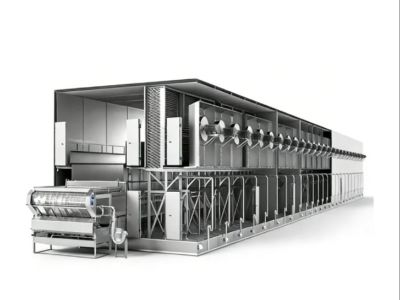
Next, examine the design type of the evaporator. Common types include finned-tube, plate, and shell-and-tube evaporators. Each design has its advantages depending on the application. Finned-tube evaporators are often favored in commercial settings due to their efficient heat transfer capabilities. Conversely, plate evaporators are compact and suitable for limited spaces, making them ideal for smaller units. For larger setups, the Self-stacking Spiral Freezers offer excellent space management and efficiency.

Material selection is also critical. Options typically include aluminum and stainless steel, each offering different durability and corrosion resistance levels. For instance, stainless steel is preferred in food storage due to its superior hygiene properties and resistance to corrosion from various cleaning agents.

Finally, assess any customization needs. If your application requires specific dimensions or additional features, such as anti-corrosion coatings or integrated sensors, ensure these options are available from the manufacturer.

Frequently Asked Questions

What is a cooler evaporator used for?

A cooler evaporator transfers cold from refrigerant to storage air, maintaining required temperatures in cold rooms, freezers, and processing areas for food, pharma, and logistics applications.
Yes. We design and size evaporators to match room volume, load, and automation requirements, ensuring efficient performance for bespoke cold storage and freezer projects.
Regular checks include coil cleaning, fan inspection, drain and defrost system checks, refrigerant leak tests, and verifying controls. Scheduled service ensures efficiency and uptime.
Yes. Our evaporators are engineered for low power use with optimized airflow, coil design, and controls to reduce energy consumption in cold storage and freezer systems.
Yes. We offer full installation, commissioning, and integration with automated control systems, plus training and global technical support for operational reliability.

Our Blog Posts

what is a chiller used for

03

Nov

what is a chiller used for

Industrial chillers are critical components in various sectors, providing precise temperature control for a range of applications. Understanding what a energy-efficient chillers is used for can greatly influence purchasing decisions for business...
View More
how to clean condensing unit

03

Nov

how to clean condensing unit

Cleaning a condensing unit is essential for maintaining the efficiency and longevity of refrigeration systems, particularly in industries like food processing, pharmaceuticals, and logistics. Proper cleaning helps prevent malfunctions, reduces energy...
View More
controlled atmosphere storage of fruits and vegetables

03

Nov

controlled atmosphere storage of fruits and vegetables

Controlled atmosphere storage of fruits and vegetables is a critical component in preserving the quality and extending the shelf life of produce. These specialized storage solutions regulate temperature, humidity, and gas composition to slow down rip...
View More
what are the advantages of food preservation

03

Nov

what are the advantages of food preservation

Food preservation is a critical process that extends the shelf life of perishable goods such as fruits, vegetables, meats, and dairy products. Understanding the advantages of food preservation can greatly benefit businesses in the food industry, incl...
View More

Leave a Message

Email
Name
Company Name
Message
0/1000

Related product categories