How to Choose the Right Cold Room Cooler

Let's Discuss Your Needs

Every great collaboration starts with a friendly chat.
We're here to help you figure things out and find the best way forward.
Company Name
Name
Email
WhatsApp
Mobile

cold room cooler

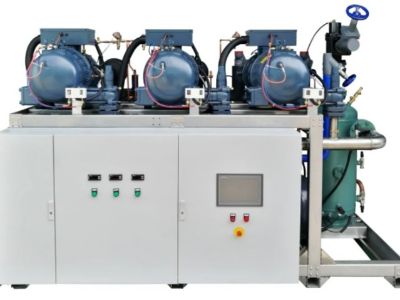
Cold room coolers are specialized refrigeration systems designed to maintain specific temperature ranges for various applications, primarily in the food, pharmaceutical, and logistics sectors. For B2B buyers, selecting the right cold room cooler is crucial for ensuring product quality, compliance, and operational efficiency. This article will provide insights into how to choose a cold room cooler, key considerations, cost factors, common problems, and where to find reliable suppliers.

Key Factors to Consider

Several key factors should be taken into account when evaluating cold room coolers:

Temperature Specifications: Different applications require varying temperature ranges. Confirm the specific temperature requirements based on the products you will be storing.

Energy Efficiency: Energy-efficient models can significantly reduce operating costs. Look for coolers with advanced insulation materials and energy-efficient compressors.

Construction Materials: The materials used in the construction of the cooler can affect durability and insulation performance. Stainless steel is commonly used for its resistance to corrosion and ease of cleaning, especially in food applications.

Automation Features: Automated systems can enhance operational efficiency by providing remote monitoring and control capabilities. This is particularly beneficial for businesses that operate 24/7.

Compliance: Ensure that the cooler meets applicable industry standards and regulations, particularly for food safety and pharmaceutical storage.

By thoroughly assessing these factors, you can choose a cold room cooler that aligns with your operational requirements and compliance standards.
Cost Factors in Cold Room Cooler Purchases for Bulk Orders

The cost of cold room coolers can vary widely based on several factors:

Size and Capacity: Larger units typically cost more, but the price per cubic foot may decrease with larger orders.

Customization: Custom-engineered solutions tailored to specific requirements may incur additional costs. It's crucial to weigh these costs against the potential benefits of a tailored solution, such as those found in REFRIGERATION UNITS.

Features and Specifications: Advanced features, such as integrated monitoring systems or enhanced energy efficiency, can increase the initial investment but may provide long-term savings.

Shipping and Installation: Consider logistics costs, including shipping, installation, and any required modifications to your facility.

Maintenance and Operating Costs: Understand the long-term costs associated with maintenance and energy consumption. Energy-efficient models may have a higher upfront cost but can lead to significant savings over time.

When requesting quotes from suppliers, be clear about your specifications and any desired features to ensure accurate pricing.

Common Problems with Cold Room Coolers and Their Solutions

Cold room coolers can encounter several common issues that may affect their performance:

Temperature Fluctuations: Inconsistent temperatures can lead to product spoilage. Regular maintenance checks can help identify issues with the thermostat or refrigeration system. Installing backup systems can also mitigate risks during power outages.

Frost Build-Up: Excessive frost can hinder performance and reduce energy efficiency. Regular defrosting procedures and proper sealing can help minimize this issue.

Noise Levels: Some coolers can operate noisily, which could be disruptive in a workplace setting. Selecting units with sound-dampening features or quieter compressor technology can address this concern.

Condensation Issues: Excessive moisture can lead to mold growth, particularly in food storage applications. Ensuring proper sealing and humidity control can help manage this problem.

Understanding these potential issues and their solutions can enhance the longevity and efficiency of your cold room cooler.

Where to Find Trusted Suppliers for Cold Room Coolers Worldwide

Finding reliable suppliers for cold room coolers is essential for ensuring quality and performance. Here are some strategies to identify trustworthy manufacturers:

Industry Associations: Joining industry associations or attending trade shows can provide valuable networking opportunities. These platforms often feature reputable suppliers and allow for direct discussions about their products and services.

Online Marketplaces: Websites that specialize in industrial equipment can be effective for comparing different suppliers. Look for user reviews and ratings to gauge the reliability of a manufacturer.

Direct Manufacturer Contact: Engaging directly with manufacturers like Shanghai Zhaoxue Refrigeration Co., Ltd. can provide insight into their capabilities and product offerings. Inquire about their customization options, quality control processes, and past projects to assess their experience in the industry.

Referrals and Recommendations: Seek recommendations from other businesses in your industry. First-hand accounts can provide honest insights into supplier reliability and product performance.

By utilizing these strategies, you can identify and partner with suppliers who meet your cold room cooler needs effectively.

The right cold room cooler is a critical investment for businesses requiring temperature-controlled storage. By considering specific factors, understanding cost implications, recognizing potential problems, and identifying trustworthy suppliers, you can make informed decisions that support your operational goals.

How to Choose the Right Cold Room Cooler for Your Business

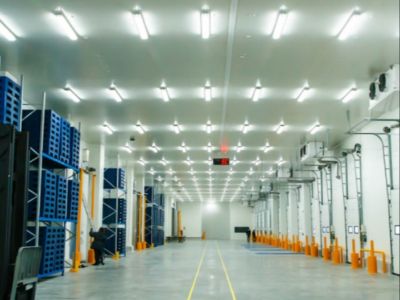
When selecting a cold room cooler, it’s essential to assess your specific requirements based on the products you intend to store. Considerations include temperature range, humidity control, and the volume of goods to be stored. For example, food storage typically requires precise temperature control to prevent spoilage, while pharmaceuticals may need stricter temperature and humidity regulations to maintain efficacy. Custom-engineered solutions, such as Cold Room, can cater to these unique needs, ensuring that the cold room cooler is optimized for its intended application.

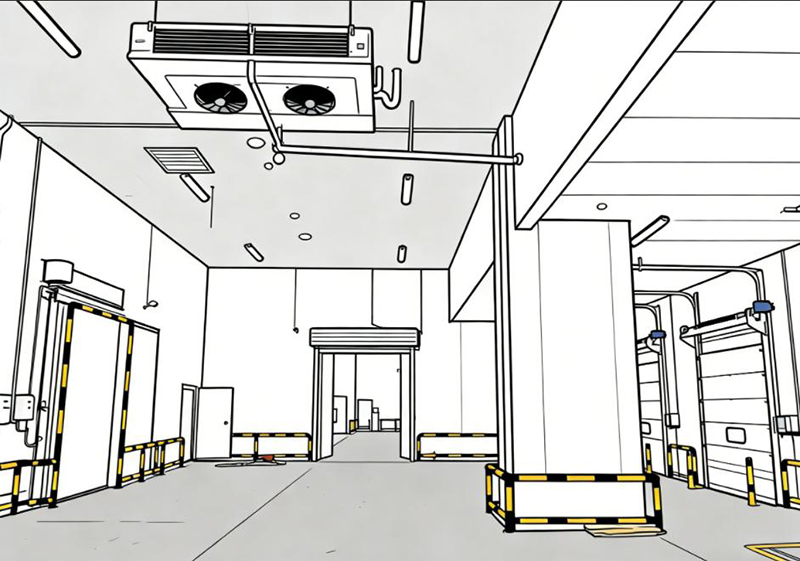
Additionally, the layout and available space in your facility can influence the choice of system. Modular designs may offer flexibility in installation and future expansion, making them suitable for growing businesses.

Frequently Asked Questions

What is a cold room cooler used for?

A cold room cooler provides controlled low temperatures for safe storage of food, pharmaceuticals, and perishable goods in warehouses, production and logistics environments.
Yes. We design and build custom-engineered cold room coolers tailored to size, temperature range, and automation needs for specific industries.
We supply cold room coolers covering common ranges from +10°C down to -40°C, with specific settings configurable to your product and process requirements.
Our cold room coolers use optimized compressors, insulation and controls to minimize energy use, delivering industry-leading efficiency for long-term operating savings.
Yes. We offer global installation, start-up, automation integration and ongoing maintenance support to ensure reliable operation and compliance.

Our Blog Posts

10 Fascinating Facts About Cold Room You Never Knew!

12

Oct

10 Fascinating Facts About Cold Room You Never Knew!

The World's Largest "Refrigerator" Can Hold the Entire City of Rome. The global cold storage network is vast beyond imagination. For instance, the total storage capacity of one of North America's largest cold storage operators exceeds 400 million cub...
View More
how to set temperature in chiller

03

Nov

how to set temperature in chiller

Setting the correct temperature in a chiller is crucial for maintaining the quality and safety of sensitive products, especially in industries like food, pharmaceuticals, and logistics. This article will address key considerations for B2B buyers, inc...
View More
how to clean condensing unit

03

Nov

how to clean condensing unit

Cleaning a condensing unit is essential for maintaining the efficiency and longevity of refrigeration systems, particularly in industries like food processing, pharmaceuticals, and logistics. Proper cleaning helps prevent malfunctions, reduces energy...
View More
what are the methods of food preservation

03

Nov

what are the methods of food preservation

Food preservation is a critical process for maintaining the quality and safety of perishable items, especially in the food industry. Understanding what are the methods of food preservation can help businesses minimize waste, ensure product integrity,...
View More

Leave a Message

Email
Name
Company Name
Message
0/1000

Related product categories