Choosing the Right Industrial Blast Freezer

Let's Discuss Your Needs

Every great collaboration starts with a friendly chat.
We're here to help you figure things out and find the best way forward.
Company Name
Name
Email
WhatsApp
Mobile

industrial blast freezer

When it comes to preserving perishable goods, an industrial blast freezer is an essential tool for industries such as food processing, pharmaceuticals, and logistics. These systems rapidly freeze products to maintain quality and safety, preventing ice crystal formation and preserving texture and flavor. For purchasing managers, engineers, and product specialists, understanding the features and capabilities of industrial blast freezers is crucial for making informed decisions. This article will cover key considerations when choosing an industrial blast freezer, sourcing tips, cost factors, common issues, and the benefits of energy-efficient models.

Wholesale Sourcing Tips for Reliable Industrial Blast Freezer Suppliers

When sourcing industrial blast freezers, reliability and quality of the supplier are of utmost importance. Start by researching manufacturers with a proven track record in the refrigeration industry, particularly those with experience in your specific application area—whether it be food, pharmaceuticals, or cold chain logistics.

Requesting client references and case studies can provide insight into the supplier’s performance and customer satisfaction levels. Additionally, consider suppliers that offer customization options tailored to your operational requirements. A supplier that understands your industry and can adapt their products can be invaluable.

Next, review their production capabilities and certifications. Look for manufacturers that comply with international quality standards, such as ISO certifications, as these indicate a commitment to quality control and consistent performance.

Finally, verify their after-sales support and warranty terms. A solid warranty and responsive customer service can significantly enhance your purchasing experience and provide peace of mind.
Understanding the Cost Factors of Industrial Blast Freezer Purchases

The cost of industrial blast freezers can vary widely based on several factors. First, the size and capacity of the unit will directly influence the price. Larger models designed for high-volume applications typically come at a higher cost due to increased material and manufacturing expenses.

Another significant factor is the freezing technology used. Air blast freezers may be less expensive upfront compared to plate freezers, but their operational efficiency can vary. Consider the total cost of ownership, which includes energy consumption, maintenance, and potential repair costs over the freezer’s lifespan.

Customization options will also affect pricing. Custom-engineered models tailored to specific production lines or product types may come at a premium but can lead to long-term savings through improved efficiency and reduced waste.

Additionally, don’t overlook the shipping and installation costs, especially for larger units that may require specialized handling and setup.

Common Problems with Industrial Blast Freezers and Their Solutions

While industrial blast freezers are designed for durability and efficiency, they can experience some common issues. One prevalent problem is inadequate freezing performance, often caused by improper loading techniques. Overloading the freezer can block airflow and reduce freezing efficiency. To mitigate this, ensure products are evenly spaced and do not obstruct air vents.

Another issue is temperature fluctuations, which can lead to product spoilage. Fluctuations may occur due to door openings or faulty sensors. Implementing strict operating procedures, such as minimizing door openings and performing regular maintenance checks on sensors and insulation, can help maintain optimal temperatures.

Ice buildup is also a common concern, particularly in air blast freezers. This can lead to increased energy consumption and reduced performance. Regular defrost cycles and proper humidity control can prevent ice accumulation.

Lastly, consider the importance of routine maintenance. Establishing a scheduled maintenance plan with your supplier can help identify potential issues before they escalate, ensuring the long-term reliability of your industrial blast freezer.

Material Advantages of Energy-Efficient Industrial Blast Freezers

Energy-efficient industrial blast freezers offer significant advantages in terms of operational costs and environmental impact. These units typically use high-performance insulation materials that reduce energy loss, leading to lower electricity bills.

Moreover, advanced compressor technologies and variable-speed fans can enhance efficiency by adjusting cooling capacity based on the load. This adaptability can lead to considerable energy savings, especially in fluctuating production environments.

Choosing energy-efficient models can also contribute to sustainability goals. Many manufacturers are now focusing on eco-friendly refrigerants that minimize environmental impact without compromising performance. By investing in energy-efficient industrial blast freezers, businesses not only reduce operational costs but also enhance their corporate responsibility efforts.

In summary, selecting the right industrial blast freezer requires careful consideration of capacity, technology, and supplier reliability. Understanding cost factors, addressing common problems, and recognizing the benefits of energy efficiency are essential for making informed purchasing decisions. By following these guidelines, B2B buyers can ensure they choose a solution that meets their operational needs while maintaining product quality and efficiency.

What to Consider When Choosing an Industrial Blast Freezer for Your Needs

Selecting the right industrial blast freezer involves assessing several critical specifications and functionalities. First, consider the capacity required for your operations. This is often determined by the volume of products you need to freeze simultaneously, which can range from small-scale units for specialty items to larger systems for high-volume production.

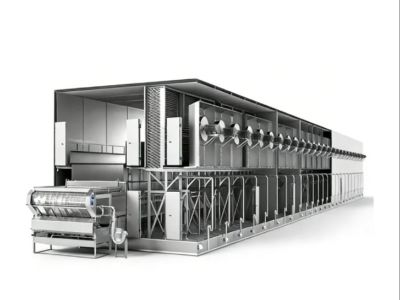
Next, evaluate the freezing technology employed. Common options include air blast freezing, which circulates cold air around products, and plate freezing, where products are placed between cold plates. Each method has unique advantages; for instance, air blast freezers offer flexibility in product size and shape, while plate freezers can provide faster freezing times for flat items. If you're considering IQF freezers, they are another excellent option for maintaining the quality of individual items.

Temperature range is another important factor. Most industrial blast freezers operate between -18°C to -40°C, but specific applications may require more extreme temperatures. Confirming the temperature uniformity and recovery time after door openings can also affect efficiency and product quality.

Lastly, assess the automation features available. Automated systems can optimize operational efficiency, reduce labor costs, and maintain consistent quality. Integration with existing production lines and monitoring systems can also enhance usability and performance.

Our Blog Posts

what is the purpose of a cold room

03

Nov

what is the purpose of a cold room

The purpose of a cold room is essential for various industries, primarily focusing on the preservation and storage of temperature-sensitive products. This article delves into the role of cold rooms, specifically in the food industry, and provides ins...
View More
what does evaporator coil do

03

Nov

what does evaporator coil do

Understanding what an evaporator coil does is essential for anyone involved in the purchasing or maintenance of refrigeration systems. These coils play a crucial role in cooling processes by absorbing heat from the environment, making them indispensa...
View More
controlled atmosphere storage of fruits and vegetables

03

Nov

controlled atmosphere storage of fruits and vegetables

Controlled atmosphere storage of fruits and vegetables is a critical component in preserving the quality and extending the shelf life of produce. These specialized storage solutions regulate temperature, humidity, and gas composition to slow down rip...
View More
what are the advantages of food preservation

03

Nov

what are the advantages of food preservation

Food preservation is a critical process that extends the shelf life of perishable goods such as fruits, vegetables, meats, and dairy products. Understanding the advantages of food preservation can greatly benefit businesses in the food industry, incl...
View More

Leave a Message

Email
Name
Company Name
Message
0/1000

Related product categories