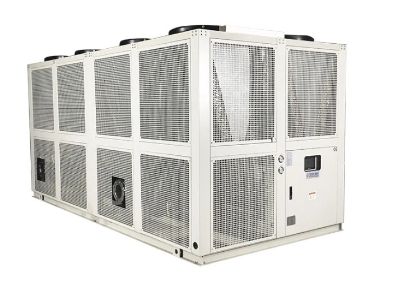
Choosing Energy-Efficient Cool Storage Containers

Let's Discuss Your Needs

Every great collaboration starts with a friendly chat.
We're here to help you figure things out and find the best way forward.
Company Name
Name
Email
WhatsApp
Mobile

cool storage containers

Cool storage containers are essential for businesses in the food, pharmaceutical, and logistics industries, providing a reliable solution for temperature-sensitive products. When sourcing these containers, B2B buyers—such as purchasing managers and distributors—face critical concerns including efficiency, cost, and suitability for specific applications. This article will explore important considerations when selecting cool storage containers, focusing on specifications, cost factors, installation guidance, and practical applications across various industries.

Key Specifications for Energy-Efficient Cool Storage Containers

When considering energy-efficient cool storage containers, several key specifications stand out:

Insulation Thickness: Thicker insulation can provide better thermal performance, reducing energy consumption. Buyers should assess insulation materials, such as polyurethane or polystyrene, for their thermal resistance properties.

Temperature Range: The container’s ability to maintain specific temperature ranges is critical. Verify the temperature capabilities against the products intended for storage to avoid spoilage or loss of efficacy.

Construction Materials: Materials should be chosen based on durability and thermal efficiency. Stainless steel, for example, offers excellent longevity and hygiene, making it suitable for food storage applications.

Sealing Mechanisms: Effective sealing ensures that temperature is maintained, preventing energy loss. Buyers should check the quality of gaskets and seals, as these components play a significant role in the overall efficiency of the storage solution.

Energy Consumption Ratings: Look for containers with energy efficiency ratings or certifications that indicate lower operational costs and environmental impact.

Understanding these specifications will help buyers make informed purchasing decisions that align with their operational goals.


Cost Factors to Consider When Purchasing Cool Storage Containers

The cost of cool storage containers can vary widely based on several factors. First, the size and capacity of the container will directly affect its price. Larger containers typically incur higher costs, both in materials and transportation.

Second, customization options can significantly impact the overall price. While standard models may be more affordable, custom-engineered solutions that meet specific business needs may come at a premium. It’s essential to balance the need for customization with budgetary constraints.

Additionally, consider the total cost of ownership, which includes energy consumption, maintenance, and potential downtime. Investing in higher-quality, energy-efficient containers may result in lower long-term costs despite a higher initial investment. For example, options like Freezer Room solutions can be more cost-effective in the long run due to their efficiency.

Finally, shipping and installation costs should also be factored in, especially for bulk orders. Understanding all cost components will help buyers make a more comprehensive financial assessment.

Installation Guidance for Efficient Use of Cool Storage Containers

Proper installation of cool storage containers is crucial for maximizing their efficiency and lifespan. Here are some key installation guidelines:

Site Preparation: Ensure that the installation area is level and free of debris. This will help maintain the integrity of the containers and support their weight.

Temperature Control Systems: If the containers are equipped with built-in refrigeration units, verify that all necessary electrical connections are correctly set up. Consult with the manufacturer for specific requirements regarding power supply and backup systems.

Ventilation: Adequate ventilation is essential for maintaining optimal performance. Ensure that the containers have sufficient airflow to avoid overheating, particularly if they are stacked or positioned closely together.

Training for Personnel: Staff should be trained on the proper operation and maintenance of the containers. This includes understanding temperature monitoring systems and recognizing any signs of malfunction.

Following these installation guidelines will help ensure that cool storage containers operate efficiently and effectively, safeguarding the quality of stored products.

Applications of Cool Storage Containers Across Different Industries

Cool storage containers find applications in various sectors, each with unique requirements:

Food Industry: In the food sector, cool storage containers are vital for preserving perishable goods. They are used in restaurants, catering services, and grocery stores to maintain the freshness of ingredients and finished products.

Pharmaceuticals: The pharmaceutical industry relies on precise temperature control for storing vaccines, medications, and biologics. Cool storage containers designed with stringent temperature monitoring features are essential to ensure product efficacy.

Logistics: In logistics, cool storage containers facilitate the safe transportation of temperature-sensitive products. These containers can be used for shipping goods across long distances while maintaining required temperature conditions.

Agriculture: Farmers and distributors use cool storage for harvested crops to extend shelf life and maintain quality before reaching the market.

Understanding the specific applications of cool storage containers allows buyers to choose models that best suit their operational needs while ensuring compliance with industry regulations.

By considering these factors, B2B buyers can make informed decisions when selecting cool storage containers, ensuring they meet their operational needs effectively and efficiently.

What to Consider When Choosing Cool Storage Containers for Wholesale

When selecting cool storage containers, it’s vital to consider the specific needs of your business. Key factors include the dimensions and capacity of the containers, as these will directly affect how much product can be stored and transported. Additionally, the type of insulation used is crucial; high-quality insulation materials can significantly enhance energy efficiency, thus reducing operational costs. For instance, options such as Cold Room solutions can provide superior insulation capabilities.

Temperature control is another essential consideration. Depending on the products being stored—such as perishables or pharmaceuticals—different temperature ranges may be required. Buyers should also assess the container's compatibility with existing systems, such as refrigeration units or automated handling equipment, to ensure seamless integration.

Another aspect to evaluate is customization capabilities. Many manufacturers, including Shanghai Zhaoxue Refrigeration Co., Ltd., offer tailored solutions to meet specific operational needs. Buyers should inquire about available sizes, features, and configurations that align with their requirements.

Frequently Asked Questions

What types of cool storage containers do you offer?

We supply custom-engineered cold storage rooms, insulated containers, and modular freezer units tailored for food, pharma, and logistics applications.
Yes. We design temperature ranges, sizes, shelving, and automation controls to meet specific product, capacity, and regulatory requirements.
Our systems support a wide range from deep-freeze to chilled conditions, typically from -40°C up to +15°C, configurable per application.
Yes. We handle site assessment, installation, commissioning, and offer maintenance, remote monitoring, and spare parts support globally.
Yes. We use energy-saving refrigeration technology, efficient insulation, and can meet industry standards and regulatory requirements for food and pharma storage.

Our Blog Posts

10 Fascinating Facts About Cold Room You Never Knew!

12

Oct

10 Fascinating Facts About Cold Room You Never Knew!

The World's Largest "Refrigerator" Can Hold the Entire City of Rome. The global cold storage network is vast beyond imagination. For instance, the total storage capacity of one of North America's largest cold storage operators exceeds 400 million cub...
View More
how to set cold room temperature

03

Nov

how to set cold room temperature

Setting the right cold room temperature is crucial for industries that rely on precise temperature control to maintain the quality and safety of their products. Whether you are in the food, pharmaceutical, or logistics sector, understanding how to se...
View More
what is the standard temperature of chiller

03

Nov

what is the standard temperature of chiller

Understanding the standard temperature of chillers is crucial for multiple industries, including food, pharmaceuticals, and logistics. This article dives into the specifics of what is the standard temperature of a energy-efficient chillers, addressin...
View More
what are the advantages of food preservation

03

Nov

what are the advantages of food preservation

Food preservation is a critical process that extends the shelf life of perishable goods such as fruits, vegetables, meats, and dairy products. Understanding the advantages of food preservation can greatly benefit businesses in the food industry, incl...
View More

Leave a Message

Email
Name
Company Name
Message
0/1000

Related product categories