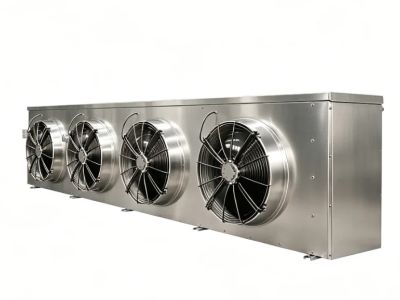
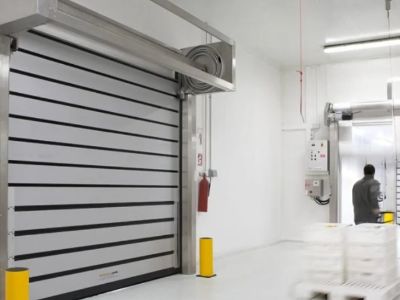
Key Specifications of Water Chiller Units

Let's Discuss Your Needs

Every great collaboration starts with a friendly chat.
We're here to help you figure things out and find the best way forward.
Company Name
Name
Email
WhatsApp
Mobile

water chiller unit

Water chiller units are essential components in various industrial applications, providing efficient cooling solutions for processes that require precise temperature control. For B2B buyers, key concerns include the specifications, reliability, and cost-effectiveness of these units, especially when considering bulk purchases. This article will guide you through critical aspects of water chiller units, including their specifications, sourcing reliable suppliers, cost factors, installation guidelines, and common issues with solutions.

Where to Find Reliable Suppliers of Water Chiller Units

Finding reliable suppliers is crucial for successful procurement. Here are several strategies:

Industry Directories: Utilize online B2B platforms and industry directories that list manufacturers and suppliers specializing in refrigeration and cooling systems. Look for those with positive reviews and a strong track record.

Trade Shows and Industry Events: Attending trade shows can provide direct access to manufacturers. This not only allows you to evaluate products firsthand but also to engage with technical representatives to discuss your needs.

Referrals and Recommendations: Seek recommendations from industry peers or consultants who have experience with water chiller units. Personal referrals can lead you to trustworthy suppliers who have demonstrated reliability.

Certifications and Compliance: Verify that potential suppliers have relevant certifications, such as ISO or CE, which indicate adherence to quality and safety standards. This can provide peace of mind regarding their products' reliability.

Customized Solutions: Ensure that suppliers are capable of providing customized solutions tailored to your specific applications, as this can enhance performance and efficiency in your operations, such as through the use of Self-stacking Spiral Freezers.
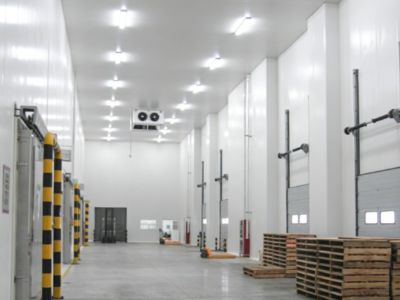
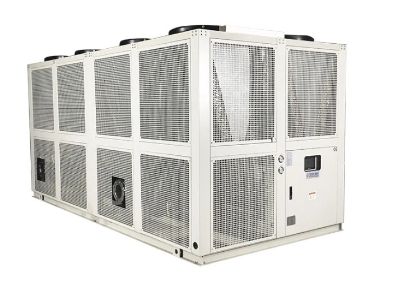
Cost Factors for Purchasing Water Chiller Units in Bulk

When budgeting for water chiller units, several cost factors come into play:

Initial Purchase Price: The upfront cost is a significant factor, but it’s essential to balance this with the unit's energy efficiency and operational costs. Cheaper units may lead to higher bills in the long run.

Customization Fees: Custom-engineered units may incur additional costs. Discuss these upfront to avoid surprises later in the procurement process.

Shipping and Handling: Depending on the supplier's location and the shipping method chosen, transportation costs can vary significantly. Factor in these expenses to your overall budget.

Maintenance and Operational Costs: Evaluate the expected maintenance needs and operational efficiency of the unit. Units requiring frequent servicing or using outdated refrigerants could incur higher long-term costs.

Volume Discounts: When purchasing in bulk, always inquire about volume discounts or financing options that can reduce the overall expenditure.

Installation Guidelines for Efficient Water Chiller Units

Proper installation is critical for the effective operation of water chiller units. Here are some guidelines:

Site Preparation: Ensure that the installation site is prepared according to the manufacturer's specifications, including adequate space for airflow and maintenance access.

Electrical Requirements: Verify that electrical supply meets the chiller’s specifications. This includes voltage, phase, and amperage requirements to prevent operational issues.

Plumbing and Piping: Proper plumbing installation is crucial. Ensure all connections are leak-free and that the piping is sized appropriately to handle the flow rates specified by the manufacturer.

Start-Up Procedures: Follow manufacturer guidelines during startup, including checking refrigerant levels, testing controls, and monitoring for unusual noises or vibrations. A thorough startup can prevent future operational problems.

Training for Operators: Provide training for personnel who will operate the chiller to ensure they understand operational parameters and maintenance procedures. This can enhance efficiency and longevity.

Common Problems with Water Chiller Units and Effective Solutions

Understanding potential issues with water chiller units can save time and money. Here are common problems and their solutions:

Insufficient Cooling: If a chiller fails to maintain the desired temperature, check for refrigerant leaks, inadequate airflow, or dirty filters. Regular maintenance and cleaning can prevent these issues.

High Energy Consumption: Units that consume more energy than expected may be due to improper sizing or maintenance neglect. Conduct a performance audit and regular maintenance checks to identify inefficiencies.

Unusual Noises: Noises such as banging or hissing can indicate mechanical problems or trapped air in the system. Immediate inspection and servicing can prevent more significant damage.

Frequent Cycling: If the chiller turns on and off frequently, it may be oversized for the application or have a malfunctioning thermostat. Evaluate the system's design and consult with technical experts for adjustments.

Corrosion and Wear: Corrosive environments can lead to premature wear on components. Regular inspections and using corrosion-resistant materials can mitigate these risks.

By understanding these aspects, B2B buyers can make informed decisions regarding water chiller units, ensuring they meet their operational needs effectively and efficiently.

Key Specifications of Water Chiller Units for Bulk Purchases

When evaluating water chiller units for bulk purchases, several key specifications should be considered to ensure they meet your operational needs:

Cooling Capacity: Measured in tons or BTUs, this indicates the amount of heat the unit can remove from a process. Ensure that the capacity aligns with your cooling requirements, as an undersized unit may struggle to maintain temperatures, while an oversized unit can lead to energy inefficiency.

Energy Efficiency Rating: Look for units with a high Energy Efficiency Ratio (EER) or Coefficient of Performance (COP). These metrics reflect the chiller's efficiency in converting energy into cooling output. A higher rating can significantly reduce operational costs over time.

Refrigerant Type: The choice of refrigerant impacts both environmental footprint and efficiency. Common options include R-410A and R-134A; the selection may depend on local regulations and efficiency requirements.

Temperature Range: Verify the operational temperature range to ensure the chiller can perform under your specific application conditions, whether for food storage, pharmaceuticals, or other industries. For example, units such as the Tunnel Freezer are designed to maintain optimal temperatures for various applications.

Construction Materials: The materials used in the unit, such as stainless steel or corrosion-resistant coatings, affect durability and maintenance needs. This is particularly important in environments with high humidity or corrosive substances.

Customization Options: Many manufacturers, including Shanghai Zhaoxue Refrigeration Co., Ltd., offer customization capabilities to tailor units for specific applications, ensuring optimal performance. Discuss your unique requirements during the procurement process.

Frequently Asked Questions

What is the water chiller unit used for?

Our water chiller unit provides precise chilled water for process cooling, cold storage, ice machines, and pharmaceutical or food production systems that require stable temperatures.
Units are custom-engineered with a wide range of cooling capacities to match application loads; capacity is specified per project based on required temperature and flow.
Yes. We design water chillers to integrate with building controls and automated refrigeration systems for remote monitoring and PLC-based control.
Our chillers use efficient compressors, variable speed drives, optimized heat exchangers, and controls to minimize energy use and operating costs.
We offer project-specific engineering, factory testing, installation guidance, and global after-sales service tailored for food, pharma, and logistics operations.

Our Blog Posts

what is a chiller used for

03

Nov

what is a chiller used for

Industrial chillers are critical components in various sectors, providing precise temperature control for a range of applications. Understanding what a energy-efficient chillers is used for can greatly influence purchasing decisions for business...
View More
what is the standard temperature of chiller

03

Nov

what is the standard temperature of chiller

Understanding the standard temperature of chillers is crucial for multiple industries, including food, pharmaceuticals, and logistics. This article dives into the specifics of what is the standard temperature of a energy-efficient chillers, addressin...
View More
what does evaporator coil do

03

Nov

what does evaporator coil do

Understanding what an evaporator coil does is essential for anyone involved in the purchasing or maintenance of refrigeration systems. These coils play a crucial role in cooling processes by absorbing heat from the environment, making them indispensa...
View More
what are the methods of food preservation

03

Nov

what are the methods of food preservation

Food preservation is a critical process for maintaining the quality and safety of perishable items, especially in the food industry. Understanding what are the methods of food preservation can help businesses minimize waste, ensure product integrity,...
View More

Leave a Message

Email
Name
Company Name
Message
0/1000

Related product categories