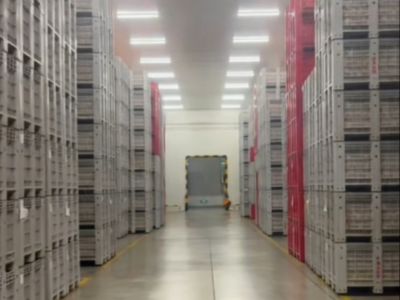
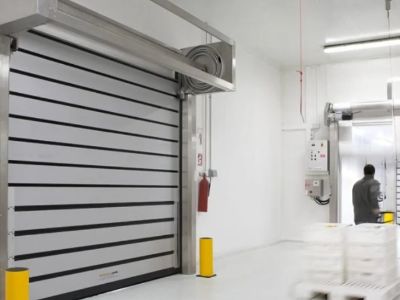
Choosing the Right Industrial Cold Storage Doors

Let's Discuss Your Needs

Every great collaboration starts with a friendly chat.
We're here to help you figure things out and find the best way forward.
Company Name
Name
Email
WhatsApp
Mobile

industrial cold storage doors

Industrial cold storage doors play a crucial role in maintaining temperature-sensitive environments for various industries, including food, pharmaceuticals, and logistics. These doors not only enhance energy efficiency but also ensure that products remain safe and secure during storage and transportation. For purchasing managers, engineers, and distributors, the primary concerns often revolve around selecting the right door for specific applications, understanding manufacturing capabilities, and evaluating supplier reliability. This article will guide you through the essential factors to consider when selecting industrial cold storage doors, sourcing suppliers, comparing costs, installation guidance, and addressing common issues.

Where to Find Reliable Suppliers of Industrial Cold Storage Doors

Finding a trustworthy supplier for industrial cold storage doors is essential for ensuring quality and timely delivery. Start with industry trade shows and exhibitions where manufacturers showcase their latest products. Networking with peers and industry professionals can also yield valuable recommendations.

Online Research: Utilize platforms like LinkedIn, industry-specific forums, and B2B marketplaces to identify potential suppliers. Look for companies with strong online presence and customer testimonials.

Certifications and Standards: Verify suppliers' compliance with industry standards such as ISO certifications or local building codes. This ensures that their products meet safety and quality benchmarks.

Visit Manufacturing Facilities: If possible, arrange visits to the manufacturing facilities. This not only allows you to inspect the production processes but also gives insight into their capacity for customization and quality control measures.

Requesting Samples: Before finalizing a supplier, request samples of the doors to evaluate their quality, insulation properties, and suitability for your specific environment.
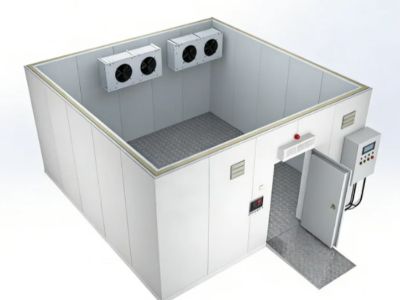
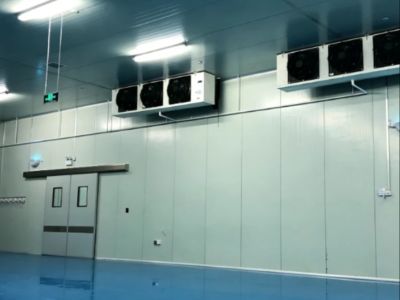
Comparing the Cost of Various Industrial Cold Storage Door Models

Cost comparison is a critical aspect of the purchasing process. However, it is important to understand that the price of industrial cold storage doors varies significantly based on multiple factors:

Material and Design: As mentioned earlier, materials like insulated steel may come at a higher base cost but can offer long-term savings through energy efficiency. Custom designs will also impact the overall cost.

Size and Configuration: Larger doors or specialized configurations will generally incur higher costs. Be sure to measure your specific requirements accurately to avoid unnecessary expenses.

Automation Features: Adding automated systems can increase upfront costs but may lead to savings in labor and energy efficiency in the long run.

Shipping and Installation: Consider additional expenses such as shipping fees and installation costs. Some suppliers may include installation services in their pricing, which can be beneficial.

Total Cost of Ownership: Evaluate the total cost of ownership, which includes maintenance, energy consumption, and potential downtime. A more expensive door might lead to lower operational costs over time.

Installation Guidance for Industrial Cold Storage Doors

Proper installation of industrial cold storage doors is crucial for ensuring optimal performance and longevity. Here are key points to consider during the installation process:

Professional Installation: While some companies may attempt DIY installation, engaging professional installers familiar with cold storage systems is advisable. They can ensure the door is properly aligned and sealed.

Site Preparation: Before installation, ensure that the site is adequately prepared. This includes checking that the opening is level and free of obstructions.

Sealing and Insulation: Pay particular attention to the sealing process. Insufficient sealing can lead to air leaks, undermining the energy efficiency of the cold storage area.

Testing and Adjustments: Once installed, conduct thorough testing to ensure that the door operates smoothly and meets the required insulation standards. Adjust the alignment and seals as necessary.

Maintenance Plan: Establish a maintenance plan to periodically check the door's functionality, seals, and insulation. Regular inspections can prevent issues before they escalate.

Common Problems with Cold Storage Doors and Effective Solutions

Even the highest-quality industrial cold storage doors can encounter issues over time. Being aware of common problems and their solutions can save time and resources:

Air Leaks: This is a frequent issue that can lead to increased energy costs and temperature fluctuations. Regularly inspect seals and gaskets for wear and replace them as needed.

Door Misalignment: If the door does not open or close smoothly, it may be misaligned. Adjusting the hinges or rehanging the door can solve this issue.

Condensation and Frost Buildup: Excess moisture can lead to condensation and frost, impacting the performance of the cold storage area. Ensure that the door is properly sealed and consider installing dehumidifiers in humid environments.

Mechanical Failures: Regular maintenance is critical to prevent mechanical failures in automated systems. Schedule routine checks on motors and sensors to ensure they are functioning correctly.

Damage from Impact: In high-traffic areas, doors may suffer from impacts. Consider adding protective barriers or bumpers to minimize damage.

Choosing the right industrial cold storage doors involves understanding your specific needs and evaluating suppliers based on several criteria. By considering the factors discussed, you can make informed decisions that will enhance your operational efficiency and ensure the integrity of your stored products.

How to Choose the Right Industrial Cold Storage Doors for Your Needs

Selecting the appropriate industrial cold storage doors involves several considerations that directly impact performance and efficiency. Begin by assessing the specific requirements of your application, including the temperature range, humidity levels, and the types of products being stored.

Material Selection: Common materials for cold storage doors include insulated steel, aluminum, and fiberglass. Each material offers unique thermal properties and durability. For example, insulated steel doors are robust and provide excellent insulation, making them suitable for extreme temperature applications. Conversely, aluminum doors are lightweight and resistant to corrosion, ideal for environments with high humidity. Additionally, if you're considering energy-efficient options, you might also explore Self-stacking Spiral Freezers that can complement your cold storage needs.

Door Type: Consider whether you need swing doors, sliding doors, or roll-up doors. Each type has its advantages; for instance, sliding doors minimize air exchange when opened, while roll-up doors are space-efficient and easy to operate.

Dimensions and Weight Load: Ensure that the dimensions of the door fit your existing opening and that it can withstand the weight of any equipment that may be used in conjunction with it. The door's load-bearing capacity is critical, especially in high-traffic areas.

Sealing and Insulation: Look for doors with high-quality seals and insulation ratings (such as R-value) that minimize energy loss. Poor sealing can lead to increased energy costs and affect the integrity of stored products.

Automation Features: Automated systems can enhance efficiency and safety. Consider doors with motion sensors, automatic closing features, and remote operation capabilities, especially in high-traffic environments. For automated solutions, you may also want to look into options like Tunnel Freezer systems that can streamline your operations.

Frequently Asked Questions

What types of industrial cold storage doors do you offer?

We provide insulated swing, sliding, sectional, and rapid-roll cold storage doors tailored for walk-in rooms, freezers, and blast chillers with options for automation and high thermal performance.
Yes. We custom-engineer door size, insulation R-value, hardware, sealing, finishes, and automation to fit food, pharma, or logistics layouts and regulatory needs.
Yes. Doors can be fitted with electric or pneumatic operators, remote controls, sensors, and PLC integration for automated production and warehouse systems.
Doors use high-density insulation, thermal breaks, tight gaskets and seals, and precision thresholds to minimize air leakage and maintain stable cold-room temperatures.
We offer global installation, commissioning, preventive maintenance plans, spare parts supply, and warranties covering materials and workmanship; service options can be tailored contractually.

Our Blog Posts

what is the purpose of a cold room

03

Nov

what is the purpose of a cold room

The purpose of a cold room is essential for various industries, primarily focusing on the preservation and storage of temperature-sensitive products. This article delves into the role of cold rooms, specifically in the food industry, and provides ins...
View More
how to set cold room temperature

03

Nov

how to set cold room temperature

Setting the right cold room temperature is crucial for industries that rely on precise temperature control to maintain the quality and safety of their products. Whether you are in the food, pharmaceutical, or logistics sector, understanding how to se...
View More
controlled atmosphere storage of fruits and vegetables

03

Nov

controlled atmosphere storage of fruits and vegetables

Controlled atmosphere storage of fruits and vegetables is a critical component in preserving the quality and extending the shelf life of produce. These specialized storage solutions regulate temperature, humidity, and gas composition to slow down rip...
View More
what are the methods of food preservation

03

Nov

what are the methods of food preservation

Food preservation is a critical process for maintaining the quality and safety of perishable items, especially in the food industry. Understanding what are the methods of food preservation can help businesses minimize waste, ensure product integrity,...
View More

Leave a Message

Email
Name
Company Name
Message
0/1000

Related product categories