How to Choose Industrial Chillers for Sale

Let's Discuss Your Needs

Every great collaboration starts with a friendly chat.
We're here to help you figure things out and find the best way forward.
Company Name
Name
Email
WhatsApp
Mobile

industrial chillers for sale

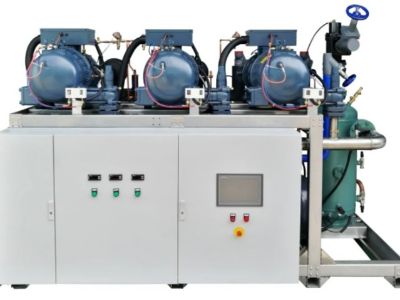
Industrial chillers are essential components in various sectors, including food processing, pharmaceuticals, and logistics, serving to maintain optimal temperature and ensure product integrity. When searching for industrial chillers for sale, B2B buyers often prioritize energy efficiency, reliability, and compatibility with their existing systems. This article aims to guide you through the process of selecting the right chiller, evaluating key specifications, addressing common issues, comparing different models, and ensuring proper installation for maximum efficiency.

Key Specifications to Evaluate When Buying Industrial Chillers

When purchasing industrial chillers, several specifications should be scrutinized to ensure optimal performance:

Cooling Capacity: Expressed in tons or BTUs, this indicates how much heat the chiller can remove from the process. Ensure it matches your cooling load calculations.

Energy Efficiency Ratio (EER): A higher EER indicates a more efficient chiller, which can lead to significant cost savings over time. Look for units with high EER ratings, especially if operating in energy-intensive environments.

Refrigerant Type: Different refrigerants have varying environmental impacts. Common options include R-134A and R-410A, but it’s advisable to consult with your manufacturer regarding the most suitable refrigerant for your application.

Temperature Range: Check the operating temperature range to ensure compatibility with your specific requirements. Industrial chillers can typically operate within a range of -10°C to 20°C.

Control Systems: Advanced control systems allow for precise temperature management and can provide remote monitoring capabilities, enhancing operational efficiency.

Each of these specifications plays a critical role in the chiller's performance and suitability for your application, so thorough evaluation is necessary.
Common Problems with Industrial Chillers and Their Solutions

Industrial chillers can encounter several common issues that may affect their performance:

Insufficient Cooling: This could result from an oversized unit or a malfunctioning component. Regular maintenance and inspections can help identify issues early, ensuring the chiller operates at optimal capacity.

Fouling and Scaling: Dirty condenser coils or evaporators can hinder efficiency. Routine cleaning and using water treatment solutions can mitigate this problem, ensuring better heat exchange.

Refrigerant Leaks: These can lead to decreased performance and increased energy costs. Regular leakage tests and timely repairs can help maintain system integrity.

Electrical Failures: Issues with compressors or controls can interrupt operations. Implementing a preventive maintenance program can reduce the likelihood of electrical failures.

By understanding these potential problems and their solutions, buyers can better prepare for effective chiller management and maintenance.

Comparing Quality Across Different Industrial Chiller Models

Quality can vary significantly among different models of industrial chillers. When comparing options, focus on the following factors:

Build Quality: Assess the materials and construction methods used in the chiller. High-quality stainless steel or aluminum components can enhance durability and resistance to corrosion.

Brand Reputation: Research manufacturers’ track records in the industry. Established companies with positive customer feedback often provide reliable products and support.

Warranty and Support: Evaluate the warranty terms and the level of customer support offered. A robust warranty can be indicative of confidence in the product’s quality.

Customization Capabilities: Some manufacturers offer customization options to meet specific application needs. This can be beneficial for addressing unique operational challenges. For example, a REFRIGERATION UNITS system might be tailored to integrate seamlessly with your chiller setup.

Utilizing these criteria will help ensure that you select a chiller that not only meets your immediate needs but also stands the test of time.

Installation Guidance for Efficient Industrial Chiller Systems

Proper installation of industrial chillers is crucial for maximizing efficiency and reliability. Here are key considerations:

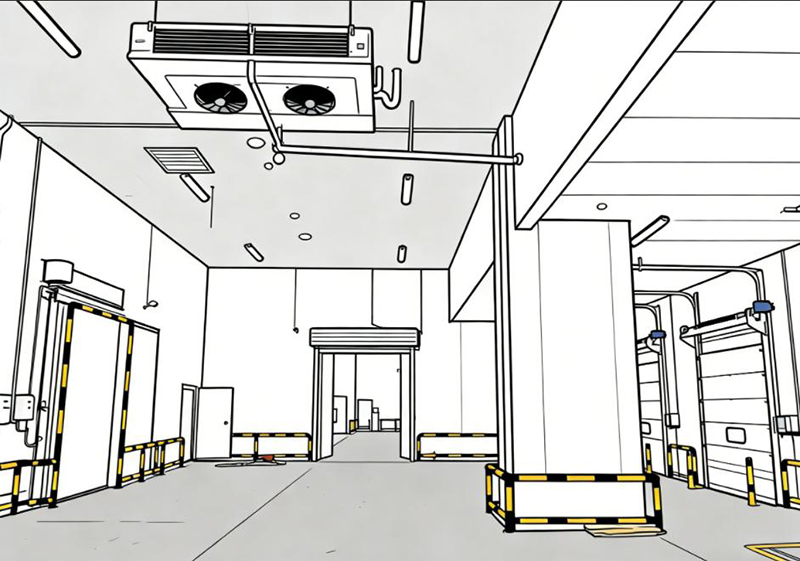
Site Preparation: Ensure that the installation site is adequately prepared. This includes ensuring proper clearance around the unit for air circulation and maintenance access.

Piping and Insulation: Use appropriately sized piping for refrigerant and chilled water lines, and ensure that insulation is applied to prevent thermal loss, which can affect efficiency.

Electrical Connections: Verify that electrical connections adhere to local regulations and the manufacturer's specifications to prevent overloads or failures.

System Testing: After installation, conduct thorough testing of the system to confirm that all components function correctly and that there are no leaks in the refrigerant lines.

Following these guidelines will help ensure that your industrial chiller operates efficiently right from the start, reducing the likelihood of operational issues down the line.

By understanding these aspects of selecting and managing industrial chillers, buyers can make informed decisions that not only meet their cooling needs but also enhance the efficiency and longevity of their equipment.

How to Choose the Right Industrial Chiller for Your Needs

Selecting the appropriate industrial chiller involves understanding your specific cooling requirements, the environment in which the chiller will operate, and the types of products being cooled. Begin by assessing the cooling load, which is determined by factors such as ambient temperature, heat generated by equipment, and the thermal properties of the products.

Consider the chiller's capacity, which is measured in tons, and ensure it aligns with your calculated cooling load. It’s essential to choose a chiller that can provide adequate cooling without being oversized, as this can lead to inefficiencies and higher operational costs. Additionally, evaluate the type of refrigerant used, as this can impact both the environmental footprint and the operational costs. Finally, consider any customization options that may be necessary to fit your specific application, such as modifying the layout or integrating with existing systems. For instance, using a Cold Room can enhance the cooling efficiency in certain applications.

Frequently Asked Questions

What types of industrial chillers do you offer?

We supply air-cooled and water-cooled industrial chillers, custom-engineered for cold storage rooms, freezers, and ice-making systems with capacities tailored to food, pharma, and logistics applications.
Yes. We provide custom-engineered chillers with layout, capacity, controls, and materials specified to integrate with your cold storage, freezer, or ice machine systems.
Yes. Our chillers integrate with automated control systems, PLCs, and remote monitoring for temperature, alarms, and performance data to suit logistics and pharmaceutical standards.
Our chillers are designed for high efficiency using optimized compressors, heat exchangers, and controls to reduce energy use and operating costs in cold storage and freezer applications.
We offer installation guidance, commissioning, preventive maintenance plans, spare parts supply, and technical support globally to ensure reliable operation and minimize downtime.

Our Blog Posts

10 Fascinating Facts About Cold Room You Never Knew!

12

Oct

10 Fascinating Facts About Cold Room You Never Knew!

The World's Largest "Refrigerator" Can Hold the Entire City of Rome. The global cold storage network is vast beyond imagination. For instance, the total storage capacity of one of North America's largest cold storage operators exceeds 400 million cub...
View More
how to set temperature in chiller

03

Nov

how to set temperature in chiller

Setting the correct temperature in a chiller is crucial for maintaining the quality and safety of sensitive products, especially in industries like food, pharmaceuticals, and logistics. This article will address key considerations for B2B buyers, inc...
View More
how to clean condensing unit

03

Nov

how to clean condensing unit

Cleaning a condensing unit is essential for maintaining the efficiency and longevity of refrigeration systems, particularly in industries like food processing, pharmaceuticals, and logistics. Proper cleaning helps prevent malfunctions, reduces energy...
View More
controlled atmosphere storage of fruits and vegetables

03

Nov

controlled atmosphere storage of fruits and vegetables

Controlled atmosphere storage of fruits and vegetables is a critical component in preserving the quality and extending the shelf life of produce. These specialized storage solutions regulate temperature, humidity, and gas composition to slow down rip...
View More

Leave a Message

Email
Name
Company Name
Message
0/1000

Related product categories