Choosing the Right Freezer Cool Room for Your Business

Let's Discuss Your Needs

Every great collaboration starts with a friendly chat.
We're here to help you figure things out and find the best way forward.
Company Name
Name
Email
WhatsApp
Mobile

freezer cool room

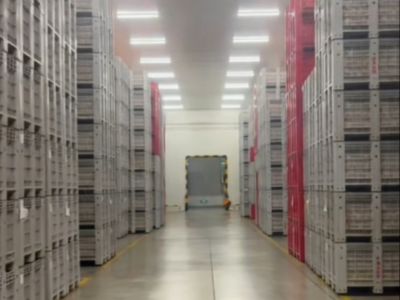
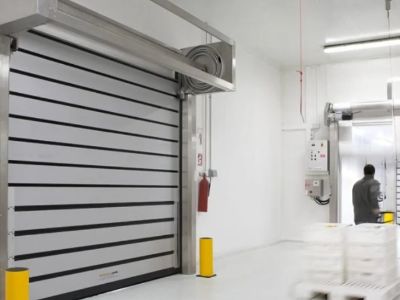
Freezer cool rooms are specialized, temperature-controlled environments designed to store perishable goods, pharmaceuticals, and other temperature-sensitive items. For B2B buyers, key considerations include energy efficiency, customization options, and compliance with industry standards. This article will help purchasing managers, engineers, and product managers understand how to compare specifications, source reliable suppliers, evaluate cost factors, and address common issues associated with freezer cool rooms.

Where to Source Reliable Suppliers for Energy-Efficient Cool Rooms

Sourcing reliable suppliers for energy-efficient cool rooms involves evaluating manufacturers based on their reputation, certifications, and experience in the industry. Start by researching manufacturers with a strong track record in cold storage solutions, particularly those that specialize in customized systems for specific industries like food, pharmaceuticals, and logistics.

Look for certifications such as ISO 9001, which indicates a commitment to quality management systems, or specific environmental certifications that demonstrate energy-efficient practices. Reading customer reviews and case studies can also provide insights into a supplier's reliability and the performance of their products. Consider looking into Cold Room solutions that fit your specific needs.

Networking within industry-specific forums or attending trade shows can help you connect with potential suppliers and gain firsthand insights into their capabilities. Additionally, consider reaching out for references from previous clients to get a clearer picture of their service quality and post-installation support.
Understanding the Cost Factors of Custom Freezer Cool Room Solutions

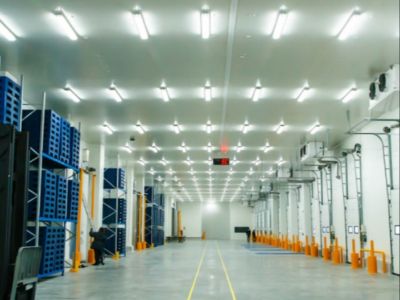
The cost of custom freezer cool room solutions can vary significantly based on several factors. Key considerations include the size of the unit, the complexity of the design, and the choice of materials. Larger cool rooms generally require more materials and energy, increasing the overall cost.

Customization options such as advanced temperature controls, automated systems, and specific layout designs can also impact pricing. While these features may increase initial costs, they can lead to long-term savings through improved efficiency and reduced operational costs.

Additionally, installation costs should not be overlooked. The complexity of installation can affect labor costs, especially if specialized equipment or skilled labor is required. Buyers should request detailed quotes that break down these costs to understand the overall investment required.

Lastly, consider the long-term operating costs, including energy consumption and maintenance. Energy-efficient systems may have a higher upfront cost but can lead to significant savings over time, making them a smart investment for long-term operations.

Key Steps

Define Requirements: Clearly outline your needs, including size, temperature range, and specific applications. This will help streamline your search for suppliers and ensure you receive appropriate solutions.

Research Suppliers: Identify potential manufacturers with expertise in freezer cool rooms. Look for those with relevant experience in your industry and check their certifications.

Request Quotes: Gather detailed quotes from multiple suppliers, ensuring they include specifications, pricing, and lead times. This will facilitate accurate comparisons.

Evaluate Samples: If possible, request samples or visit existing installations to observe the quality and performance of the cool rooms firsthand.

Negotiate Terms: Engage in discussions with suppliers to negotiate pricing, warranties, and service agreements, ensuring you understand the terms before finalizing your order.

Confirm Specifications: Before placing an order, confirm all specifications and ensure that the chosen solution aligns with your operational requirements and industry standards.

Common Problems with Freezer Cool Rooms and Effective Solutions

Despite their efficiency, freezer cool rooms can experience common issues that may affect performance. One frequent problem is inadequate cooling, which can arise from poor insulation or insufficient cooling capacity. To address this, ensure that the specifications align with your storage needs and consider conducting regular maintenance checks to verify the functionality of cooling systems.

Another issue is humidity control. Excess moisture can lead to frost buildup, which can disrupt operations and reduce efficiency. Implementing dehumidification systems or utilizing advanced climate control technologies can help maintain optimal humidity levels.

Regular maintenance and inspections are also crucial to prevent equipment failures. Establish a routine schedule for checking seals, gaskets, and compressors, as these components can wear over time and impact performance. Training staff on operational best practices can further reduce the likelihood of equipment-related issues.

Lastly, ensure proper training for employees on how to operate and maintain the freezer cool room effectively. This includes understanding temperature controls, monitoring storage practices, and addressing any issues promptly to maintain optimal conditions.

By proactively addressing these common concerns, businesses can maximize the efficiency and longevity of their freezer cool rooms, ensuring they meet operational demands effectively.

How to Compare Freezer Cool Room Specifications for Bulk Orders

When comparing freezer cool room specifications, it’s essential to focus on critical elements such as insulation thickness, cooling capacity, and temperature range. Insulation thickness directly impacts energy efficiency, which is crucial for reducing operational costs. A thicker insulation layer typically means better thermal performance and less energy consumption.

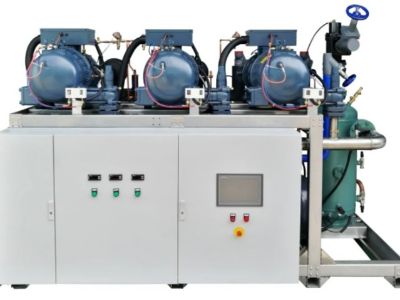
Cooling capacity, usually measured in BTUs or kilowatts, should match the volume of goods to be stored. Too low a capacity may lead to inadequate cooling, while excessive capacity can lead to higher initial costs and inefficient energy usage. For instance, using proper REFRIGERATION UNITS can optimize cooling capacity and enhance energy efficiency.

Temperature range is another vital specification. Different applications may require specific temperature settings, ranging from standard refrigeration to ultra-low temperatures for pharmaceuticals. Buyers should also consider the materials used in construction, as they can affect durability and maintenance. Stainless steel is often preferred for its resistance to corrosion and ease of cleaning.

Lastly, ensure that your supplier provides detailed technical documentation, including performance data and compliance with relevant standards. This documentation will facilitate informed comparisons and help identify the best solution for your requirements.

Frequently Asked Questions

What is a freezer cool room?

A freezer cool room is an insulated, refrigerated space designed to maintain subzero temperatures for long-term storage of food, pharma, or logistics goods.
Yes. Shanghai Zhaoxue Refrigeration provides custom-engineered designs tailored to capacity, temperature range, workflow, and automation needs.
We offer a range from mild refrigeration to deep-freeze settings, typically from -40°C to +5°C, configurable per product and process requirements.
Yes. Our freezer cool rooms use optimized insulation, high-efficiency compressors, and controls to reduce energy use while maintaining stable temperatures.
Yes. We deliver full project support including site assessment, installation, commissioning, training, and global maintenance options for uptime and compliance.

Our Blog Posts

how to set temperature in chiller

03

Nov

how to set temperature in chiller

Setting the correct temperature in a chiller is crucial for maintaining the quality and safety of sensitive products, especially in industries like food, pharmaceuticals, and logistics. This article will address key considerations for B2B buyers, inc...
View More
how to clean condensing unit

03

Nov

how to clean condensing unit

Cleaning a condensing unit is essential for maintaining the efficiency and longevity of refrigeration systems, particularly in industries like food processing, pharmaceuticals, and logistics. Proper cleaning helps prevent malfunctions, reduces energy...
View More
controlled atmosphere storage of fruits and vegetables

03

Nov

controlled atmosphere storage of fruits and vegetables

Controlled atmosphere storage of fruits and vegetables is a critical component in preserving the quality and extending the shelf life of produce. These specialized storage solutions regulate temperature, humidity, and gas composition to slow down rip...
View More
what are the methods of food preservation

03

Nov

what are the methods of food preservation

Food preservation is a critical process for maintaining the quality and safety of perishable items, especially in the food industry. Understanding what are the methods of food preservation can help businesses minimize waste, ensure product integrity,...
View More

Leave a Message

Email
Name
Company Name
Message
0/1000

Related product categories